
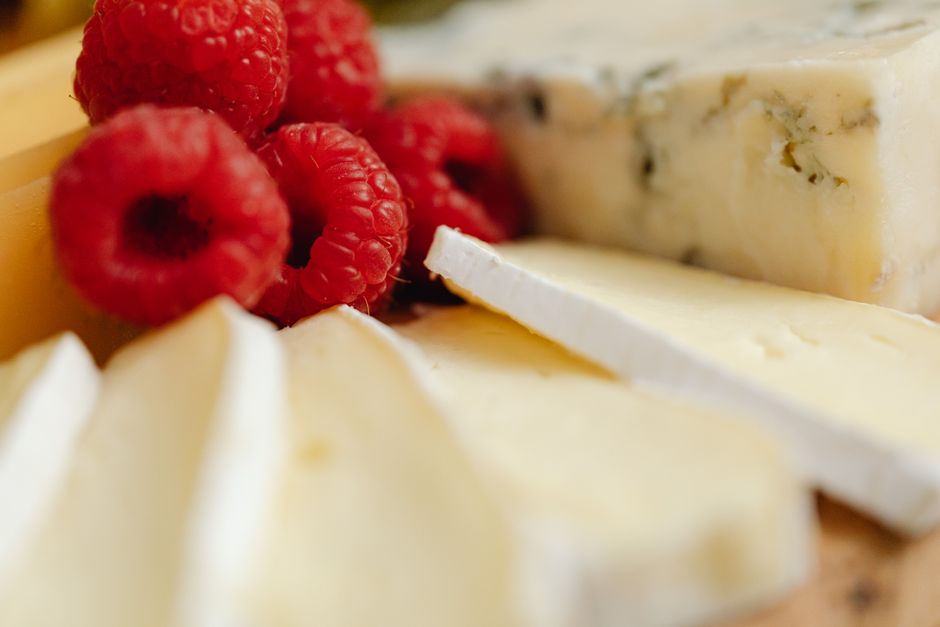
Cheese is a staple in many American diets, but its health reputation is complicated. The healthiest cheeses are those that provide the most protein and calcium for the least amount of saturated fat and sodium. Hard, aged cheeses like Parmesan, Swiss, and part-skim mozzarella generally top the list, while soft, processed, and double-cream varieties are typically less nutrient-dense per calorie. The best choice for you also depends on your specific health goals, such as managing blood pressure, watching your weight, or increasing your protein intake.
What Makes a Cheese Healthy?
Nutritionists evaluate cheese based on a few key factors. The most important are protein content, calcium levels, saturated fat, and sodium. A cheese that delivers high protein and calcium with moderate fat and salt is considered a better daily choice than one that is mostly fat.
Protein is crucial for muscle maintenance and satiety. Calcium supports bone health. Saturated fat raises LDL cholesterol, which is why dietary guidelines recommend limiting it. Sodium matters for blood pressure control. The healthiest cheeses balance these factors well.
Some cheeses also contain beneficial bacteria, particularly raw or unpasteurized varieties. These probiotics can support gut health, though pasteurized cheeses do not contain live cultures. The vitamin K2 content in aged cheeses is another emerging area of research, with some studies suggesting benefits for cardiovascular and bone health.
Which Cheeses Are Lowest in Sodium?
Sodium is often the hidden problem in cheese. Many popular cheeses are heavily salted during production. The salting process is essential for flavor, texture, and preservation, but it adds up quickly.
Swiss cheese is notably lower in sodium than most other varieties. A single serving contains roughly a quarter of the sodium found in feta or processed American cheese. This makes it a smart choice for anyone watching their blood pressure.
Fresh cheeses like ricotta and cottage cheese are also relatively low in sodium, though the amounts vary by brand. Always check the nutrition label, as some cottage cheese brands add significant salt. Low-sodium versions of many cheeses are available, and they are a practical option for people on restricted diets.
Processed cheese products, such as cheese slices and cheese sauces, are typically the highest in sodium. They also contain emulsifiers and other additives. Real cheese is almost always a better choice than processed cheese food.
Are There Cheeses That Are Good for Weight Loss?
Cheese is calorie-dense, but that does not mean it cannot fit into a weight loss plan. The key is choosing varieties that give you more protein and flavor per calorie, so you feel satisfied with a smaller portion.
Part-skim mozzarella is one of the best options. It is lower in fat than whole-milk mozzarella while retaining most of the protein. A serving provides about 7 grams of protein for roughly 80 calories. That is a favorable protein-to-calorie ratio.
Cottage cheese is another standout for weight management. It is exceptionally high in protein and relatively low in calories. Many people use it as a savory snack or a base for dips. It also contains casein protein, which digests slowly and may help you feel full longer.
Feta is a good choice for flavor control. It is salty and tangy, so a small amount goes a long way. Crumbling a tablespoon of feta over a salad adds flavor without adding many calories.
Hard cheeses like Parmesan are also useful. A small grating adds intense flavor to pasta or vegetables without requiring a large portion. The strong taste means you use less.





What About Lactose Intolerance?
Many people with lactose intolerance assume they must avoid all cheese. That is not entirely accurate. The lactose content varies significantly between cheese types.
Aged hard cheeses contain very little lactose. During the aging process, most of the lactose is converted to lactic acid. Parmesan, aged cheddar, and aged Gouda are generally well tolerated by people with lactose intolerance.
Fresh cheeses like mozzarella and ricotta retain more lactose. They can cause symptoms in sensitive individuals. Soft cheeses and processed cheese spreads also tend to be higher in lactose.
If you have lactose intolerance, start with small amounts of aged cheese and monitor your reaction. Many people can tolerate a serving of Parmesan or aged cheddar without symptoms, even if they cannot drink milk.
Lactose-free cheese products are also available. These are real cheeses treated with lactase enzyme to break down the lactose. They taste nearly identical to regular cheese and are a reliable option.
What Is the Healthiest Cheese for Heart Health?
Heart health concerns focus on saturated fat and sodium. Saturated fat raises LDL cholesterol, and excess sodium raises blood pressure. Both are risk factors for cardiovascular disease.
No cheese is a heart-health superfood, but some are clearly better than others. Part-skim mozzarella and ricotta are lower in saturated fat than full-fat cheeses. They are reasonable choices for people with high cholesterol.
Swiss cheese is the best option for sodium control. Its sodium content is significantly lower than most other cheeses. For people with hypertension, this matters more than the fat content.
Research on full-fat dairy and heart disease has produced mixed results. Some observational studies suggest that full-fat dairy may not increase cardiovascular risk as much as previously thought. Other studies indicate that replacing saturated fat with unsaturated fats is beneficial. The evidence is not settled, so the cautious approach is to choose lower-fat cheeses if you have known heart disease risk factors.
The portion size matters more than the cheese type. A 1.5-ounce serving of cheese is considered a reasonable portion. Many people eat two or three times that amount, which negates any health benefit of choosing a better cheese.
Which Cheeses Have the Most Protein?
Protein content varies considerably across cheese types. For athletes or older adults concerned about muscle loss, choosing high-protein cheese is important.
Parmesan leads the pack. It is one of the most protein-dense cheeses available, with roughly 10 grams of protein per ounce. It is also lower in fat than many cheeses because it is aged and dry.
Swiss cheese and cheddar are close behind, providing about 7 to 8 grams of protein per ounce. Part-skim mozzarella offers similar protein with less fat.
Cottage cheese is the protein champion among fresh cheeses. A half-cup serving contains about 12 to 14 grams of protein. It is also lower in calories than hard cheeses, making it an efficient protein source.
Greek yogurt is sometimes discussed alongside cheese as a dairy protein source, but it is technically a fermented dairy product rather than a cheese. Still, it is worth mentioning as a high-protein alternative for people who want the nutritional benefits of dairy in a different form.
Are Organic or Grass-Fed Cheeses Healthier?
Organic and grass-fed cheeses cost more, but the nutritional differences are modest. The main benefits relate to how the milk is produced rather than the cheese itself.
Grass-fed dairy contains a better ratio of omega-3 to omega-6 fatty acids. Omega-3s are anti-inflammatory, while omega-6s are pro-inflammatory in excess. The difference is real but small in the context of a full diet.
Grass-fed cheese also contains more conjugated linoleic acid, a fatty acid that some studies have linked to improved body composition. The evidence is not strong enough to recommend grass-fed cheese specifically for weight loss.
Organic certification ensures the cows were not given antibiotics or synthetic hormones. This matters for animal welfare and antibiotic resistance concerns, but it does not change the nutrient content of the cheese meaningfully.
For most people, the healthier choice is simply to eat a moderate amount of good-quality cheese, whether organic or conventional. The differences between cheese types matter more than the differences between production methods.
Frequently Asked Questions
Is it okay to eat cheese every day?
Yes, most healthy adults can eat cheese daily in moderation. A serving of about 1.5 ounces per day is reasonable within a balanced diet.
What cheese is lowest in calories?
Part-skim mozzarella and cottage cheese are among the lowest-calorie options. Part-skim mozzarella has roughly 80 calories per ounce, while cottage cheese has about 90 calories per half-cup.
Is cheddar cheese healthy?
Cheddar is a good source of protein and calcium but is higher in saturated fat and sodium than some alternatives. Aged cheddar contains very little lactose, making it suitable for many people with lactose intolerance.
Which cheese is best for people with high blood pressure?
Swiss cheese is the best choice because it is naturally lower in sodium than most other cheeses. Low-sodium versions of any cheese are also good options.
