
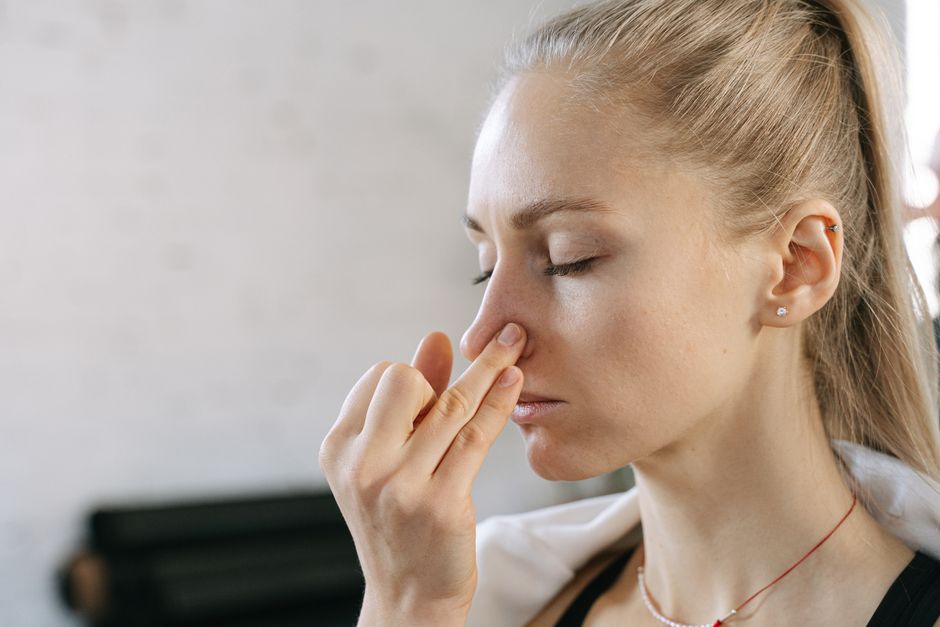
Your nose stops up when the tissues lining your nasal passages swell and narrow the airway, usually because of a cold, allergies, or dry air. The swelling is your body’s response to irritation or infection. Blood vessels in the nasal lining widen and leak fluid into the surrounding tissue, and that extra fluid is what makes you feel blocked. Most stuffy noses clear on their own within a week to ten days when a virus is the cause. How you treat it depends on why it started.
What Causes Your Nose To Stop Up And How To Help?
The causes fall into a few broad groups, and each one responds to different approaches. Knowing which group you are in matters more than reaching for the strongest product on the shelf.
Viral infections are the most common cause. A cold virus inflames the nasal lining, and mucus production increases. The congestion usually peaks in the first few days and then eases. Adults get several colds a year on average, and children get more.
Allergies trigger the same swelling without an infection. When you breathe in pollen, dust mites, or pet dander, your immune system releases histamine and other chemicals that widen blood vessels in the nose. The result is congestion, often with sneezing and an itchy, runny nose.
Dry air dries out the nasal lining and makes it swell. Heated indoor air in winter is a common trigger. So is air conditioning.
Irritants such as cigarette smoke, strong fragrances, and pollution cause direct inflammation of the nasal tissue. Smoke exposure, including secondhand smoke, is well established as a cause of chronic nasal symptoms.
Structural issues can make congestion feel constant. A deviated septum, where the wall between your nostrils is crooked, narrows one side. Nasal polyps are soft growths that can block airflow. These do not cause a stuffy nose on their own but make any swelling feel worse.
Medication rebound is a cause people often miss. Decongestant sprays shrink swollen tissue, but using them for more than a few days in a row can cause the lining to swell back worse when the spray wears off. This is called rebound congestion, and it can keep a nose blocked for weeks. The label on these sprays warns against extended use for exactly this reason.
Hormones and pregnancy can also play a role. Pregnancy rhinitis is a real, recognized condition where nasal swelling happens without infection or allergy. It is linked to hormonal changes and usually resolves after delivery.
Why Does A Stuffy Nose Feel Worse At Night?
Gravity is part of the answer. When you lie down, blood pools more in the head and neck, and the nasal lining can swell more. This is why congestion often feels worse when you get into bed.
There is another factor most people do not know about. Your nose actually alternates airflow between nostrils on a cycle throughout the day. This is called the nasal cycle, and it is normal. Each side takes turns doing more of the work while the other side swells slightly. When you lie on your side, the lower nostril tends to become more congested. That is why flipping to your other side can sometimes open things up.
Sleeping with your head slightly raised can help. So can keeping the bedroom air from getting too dry. A cool-mist humidifier in the room is a reasonable option. Keep it clean according to the manufacturer’s instructions, because a dirty humidifier can grow mold and make things worse.
What Actually Helps Clear A Blocked Nose?
Saline nasal rinses and sprays are the most reliable first step. They thin mucus and moisten the lining. Research published in a leading allergy and clinical immunology journal found that saline irrigation can reduce nasal symptoms in people with chronic sinus issues. The evidence is strongest for regular use, not a single rinse.
If you use a nasal rinse, use distilled, sterile, or previously boiled and cooled water. Tap water is not safe for nasal rinsing. This is a firm public health recommendation because tap water can contain organisms that cause serious infections in the nasal passages.
Decongestant nasal sprays work quickly and are effective for short-term use. Follow the label limit on how many days to use them. Going past it risks rebound congestion.
Oral decongestants such as pseudoephedrine can help, but they raise blood pressure and heart rate in some people. They are not appropriate for everyone. Talk to a pharmacist or clinician if you have high blood pressure, heart disease, or take other medications.
Antihistamines help when allergies are the cause. They do not help much with cold-related congestion, because histamine is not the main driver there. This is why an allergy pill often does nothing for a stuffy cold.
Steam and warm showers can loosen mucus and feel soothing. The evidence that steam meaningfully reduces congestion is limited, but it is low risk and many people find it helps.



What About Home Remedies And Supplements?
Some home measures are well supported and some are not.
- Staying hydrated helps keep mucus thinner. There is no specific amount that has been proven to clear congestion faster, but drinking fluids is reasonable.
- Chicken soup and warm drinks can soothe a sore throat and feel comforting. Claims that they cure congestion are not supported by strong evidence.
- Honey has some evidence for easing cough, not congestion. It is not recommended for children under one year old because of the risk of infant botulism.
- Essential oils and menthol create a cooling sensation that can make breathing feel easier. They do not actually reduce swelling. Never apply these inside the nostrils, and keep them away from young children.
- Vitamin C and zinc are often marketed for colds. Evidence on whether they shorten a cold is mixed and modest at best. Zinc nasal gels have been linked to a loss of smell and should be avoided.
- Echinacea and other herbal products have not been shown in reliable trials to clear nasal congestion.
No supplement has been shown to reliably unblock a nose. Be skeptical of products that promise fast relief based on natural ingredients alone.
When Should You See A Doctor?
Most stuffy noses do not need medical care. Some situations do.
See a clinician if symptoms last more than about ten days without improving, or if they get better and then worse. That pattern can suggest a bacterial sinus infection. Also seek care for facial pain or pressure that is severe, a high fever, or symptoms that keep getting worse rather than easing.
Get medical help right away for swelling around the eyes, vision changes, severe headache, or a stiff neck. These can signal a serious infection spreading beyond the sinuses.
For children, check in with a pediatrician if a stuffy nose interferes with feeding or breathing, or if there is a fever in an infant. Young infants breathe mostly through their noses, so congestion affects them differently than adults.
If congestion is constant for weeks or months, the cause may be allergies, polyps, a deviated septum, or rebound from spray overuse. A clinician can help sort out which one it is. Long-standing congestion is worth investigating rather than treating with the same spray indefinitely.
Can You Prevent A Stuffy Nose?
You cannot prevent every cold, but some steps lower the odds. Handwashing reduces the spread of viruses that cause colds. Avoiding cigarette smoke and other irritants helps protect the nasal lining.
If allergies are your trigger, reducing exposure helps. That can mean keeping windows closed during high pollen days, washing bedding regularly in hot water to reduce dust mites, and using a filter in the bedroom. Some people benefit from allergy testing to identify what specifically sets them off.
Keeping indoor air from getting too dry in winter is reasonable. So is staying current on recommended vaccines, which reduce the risk of some respiratory infections. The evidence for any single prevention step is not absolute, but the combination is sensible and low risk.
Frequently Asked Questions
How long does a stuffy nose usually last?
A cold-related stuffy nose typically clears within a week to ten days. Congestion that lasts longer or keeps returning may point to allergies or another cause.
Is it safe to use decongestant spray every day?
No. Using decongestant nasal sprays for more than a few days in a row can cause rebound congestion that makes the blockage worse. Follow the label’s day limit.
Does a stuffy nose mean I have a sinus infection?
Not usually. Most stuffy noses come from colds or allergies, not sinus infections. A sinus infection is more likely when symptoms last beyond about ten days or get worse after improving.
Can allergies cause a blocked nose without sneezing?
Yes. Allergic congestion can happen with little or no sneezing, especially with ongoing exposure to dust mites or pets. A clinician can help confirm whether allergies are the cause.
