
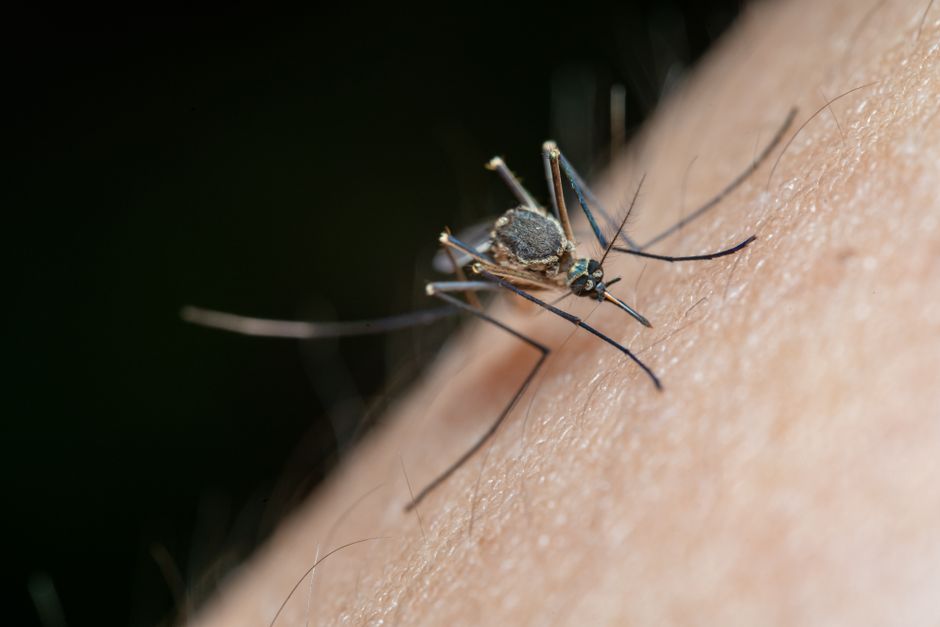
Most insect bites itch for a few hours to a few days, and the worst of it usually fades within 24 to 48 hours. The itch comes from your own immune system, not from the bite itself. When a mosquito, flea, or bedbug breaks your skin, it leaves behind saliva or digestive fluids, and your body releases histamine to fight them off. Histamine is what makes you itch. Stopping the itch means calming that reaction, not just treating the skin.
Why Do Bug Bites Itch So Much?
The itch is an allergic response. When a mosquito bites, it injects saliva containing proteins that keep your blood flowing and stop it from clotting. Your immune system recognizes those proteins as foreign and releases histamine from specialized cells in your skin. Histamine widens blood vessels, which causes the redness and swelling, and it activates nerve endings that carry itch signals to your brain.
This is why a bite can itch more on the second day than the first. The first exposure sensitizes your immune system. Later bites trigger a faster, stronger reaction. People who have lived in an area with a lot of mosquitoes for years often react less than visitors, because their immune systems have adjusted to the local saliva proteins. That adjustment is not immunity to the bites themselves.
Scratching makes everything worse. It damages the skin and triggers more histamine release, which creates a cycle of itch and scratch. Scratching also opens the door for bacteria on your fingers or under your nails to get into the bite. That is how a simple mosquito bite turns into an infected wound.
How Long Does A Bug Bite Itch And How To Stop It?
For most people, a typical mosquito or flea bite itches intensely for 24 to 48 hours and then gradually settles over several days. Some people get a red, raised bump that lasts a week or more, especially if they scratch it. Hives from a bite can appear within minutes and fade within hours, but the underlying bump often lingers.
How long it itches depends on the insect, your immune response, and whether you leave it alone. Bedbug bites often appear in clusters or lines and may itch for one to two weeks. Fire ant stings form a blister that can take a week or longer to heal. Tick bites vary widely, and some cause almost no itch at all.
To stop the itch, the goal is to reduce histamine activity and prevent scratching. Options that have reasonable evidence behind them include:
- Oral antihistamines — non-sedating options like cetirizine or loratadine reduce the allergic response. Older antihistamines like diphenhydramine also work but cause drowsiness, which can help at night.
- Topical hydrocortisone cream — a mild steroid that reduces inflammation. It works best applied soon after the bite.
- Cold compresses — cold numbs nerve endings and reduces swelling. A cloth-wrapped ice pack for 10 to 15 minutes can quiet the itch temporarily.
- Calamine lotion — provides a cooling sensation and helps dry out weeping bites. The relief is short-lived but real.
- Oral pain relievers — not for itch specifically, but they can help if the bite is sore or swollen.
What does not work reliably: pressing a fingernail into the bite, applying toothpaste, or using essential oils. Some of these may distract you for a moment, but they do not address the histamine response. No clinical evidence confirms that these home remedies shorten the itch or prevent infection.
Which Bug Bites Itch The Most?
Not all bites itch the same. Mosquitoes, fleas, and bedbugs are the most common culprits behind persistent itching. Their saliva contains proteins that trigger strong histamine release in most people.
Chiggers are a special case. The larvae attach to skin and inject digestive enzymes that break down tissue. The itching from chiggers can be intense and last for several days to a week or more. The mites themselves usually drop off within a day or two, but the reaction continues.
Spider bites often hurt more than they itch, though some cause itching as they heal. Tick bites are usually painless and may not itch. If a tick bite does itch, it is often a mild local reaction, but a spreading rash or flu-like symptoms after a tick bite warrants medical attention.
Bee and wasp stings are different. They inject venom that causes immediate pain, and itching can follow as the venom breaks down. For most people, the pain fades within a few hours, and itching may last a day or two.





When Should You Worry About A Bug Bite?
Most bug bites are annoying but harmless. However, some bites can transmit disease or cause serious allergic reactions. Knowing when to seek care matters.
Signs that a bite needs medical attention include:
- Rapid swelling of the face, lips, or throat
- Difficulty breathing or swallowing
- Dizziness, confusion, or a rapid heartbeat
- A bite that becomes hot, very painful, or oozes pus
- Red streaks spreading from the bite
- Fever, chills, or body aches after a bite
- A rash that expands over hours or days, especially a bullseye pattern
An expanding rash after a tick bite can be a sign of Lyme disease, which is treatable with antibiotics when caught early. Not every tick bite causes Lyme disease, and not every Lyme rash looks like a bullseye. If you have been in an area with ticks and notice a new rash, see a doctor.
Mosquitoes in some regions carry viruses like West Nile or dengue. Most infections cause no symptoms or mild flu-like illness, but severe cases can occur. The risk depends on where you are and what is circulating locally. Using repellent and covering up remains the most reliable prevention.
How Can You Prevent Bug Bites From Itching?
Prevention is better than treatment. If you can avoid getting bitten, you avoid the itch entirely. That means using EPA-registered insect repellents, wearing long sleeves and pants when outdoors, and avoiding standing water where mosquitoes breed.
If you do get bitten, acting fast can reduce how long it itches. Wash the bite with soap and water, apply a cold compress, and take an antihistamine if the itch is severe. Try not to scratch, and keep your fingernails short if you cannot stop yourself. A bandage over the bite can serve as a physical reminder to leave it alone.
For people who react strongly to bites, a doctor may recommend prescription-strength steroid creams or stronger antihistamines. This is not necessary for most people, but it is an option if over-the-counter products do not help.
Does Scratching Make Bug Bites Last Longer?
Yes. Scratching prolongs the itch and can turn a minor bite into a skin infection. When you scratch, you break the skin and release more histamine, which makes the itch worse. Bacteria from your hands or nails can enter the bite, causing cellulitis or impetigo.
If you cannot stop scratching, try covering the bite with a bandage or using a cold pack whenever the urge hits. Some people find that taking an oral antihistamine before bed helps because it reduces the itch during sleep, when scratching is unconscious.
The itch from a bug bite is temporary. Most bites resolve on their own within a few days. The key is to manage the histamine response, avoid scratching, and know when a bite needs medical attention.
Frequently Asked Questions
How long does a mosquito bite itch?
A mosquito bite typically itches intensely for 24 to 48 hours and then gradually fades over several days. Some people have stronger reactions that last a week or more.
What stops a bug bite from itching fast?
Oral antihistamines and cold compresses are the fastest ways to reduce itch. Topical hydrocortisone can help if applied soon after the bite.
Can bug bites itch for weeks?
Some bites, like those from bedbugs or chiggers, can itch for one to two weeks. If itching lasts longer or worsens, see a doctor to rule out infection or another cause.
Should I scratch a bug bite?
No. Scratching makes the itch worse and raises the risk of infection. Cover the bite or use a cold pack instead.
