
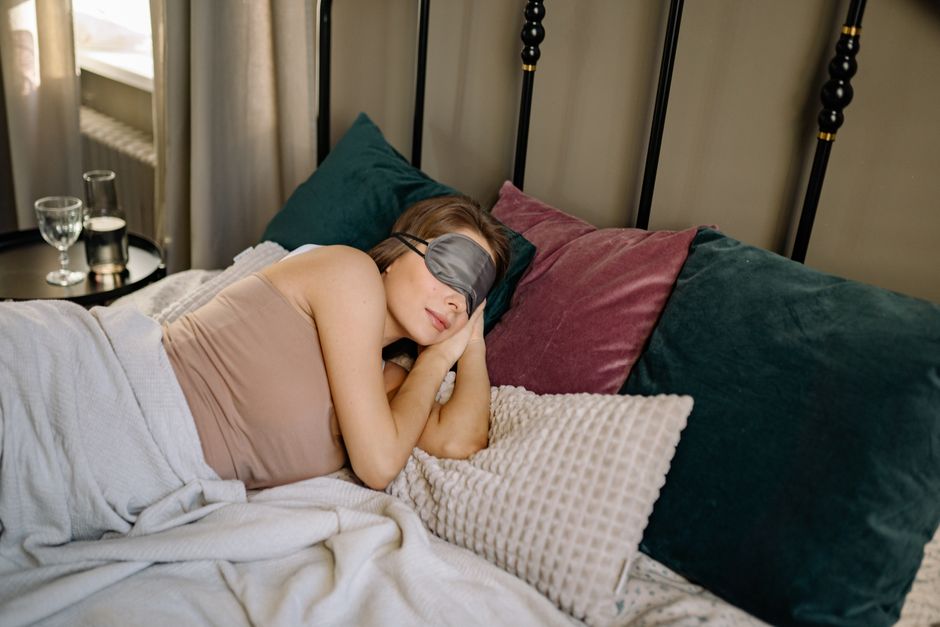
Falling asleep when you sit down is your brain taking advantage of a quiet moment. When you stop moving and settle into a chair, two things happen at once: your body loses the muscle activity and posture cues that help keep you alert, and your nervous system gets a chance to shift toward rest. If you are carrying a sleep debt or your sleep quality is poor, that quiet moment can tip you straight into sleep — sometimes within seconds.
This is common, and in most cases it is not a sign of disease. But it can also be a signal worth paying attention to. The reason depends on how often it happens, how suddenly it comes on, and what else is going on with your health.
Why does sitting down make you sleepy?
Sitting removes most of the physical stimulation that keeps your brain awake. Standing and moving involve constant input from your muscles, joints, and balance system. That input feeds into the brainstem and helps maintain arousal. When you sit still, that stream of signals drops off.
At the same time, your body has a natural daily rhythm of alertness and sleepiness. There are times of day — typically mid-afternoon and late evening — when the drive to sleep is naturally stronger. If you sit down during one of those windows, especially after a meal or in a warm, dim room, the combination can make your eyelids heavy fast.
Add poor or short sleep and the effect gets stronger. The brain tracks how long you have been awake and how much sleep you have had recently. When that “sleep pressure” is high, any calm moment becomes an opportunity to sleep. A chair is simply where it happens.
Is it normal to fall asleep as soon as you sit down?
Dozing off occasionally when you are tired is normal. Falling asleep within a few minutes of sitting down, most days, is not something to brush off.
Sleep medicine uses a simple idea to draw the line. If you can stay awake and alert through a quiet, boring situation — sitting in a waiting room, watching a dull movie, riding as a passenger in a car — your sleep drive is probably being managed. If you nod off almost every time you sit still, that usually means you are not getting enough restorative sleep.
The key word is “restorative.” Hours in bed are not the same as hours asleep. Someone can spend eight hours in bed and still wake up unrefreshed if their sleep is fragmented. Fragmented sleep is often caused by a condition the person does not know they have.
What medical conditions cause excessive daytime sleepiness?
Several conditions make people sleepy during the day. The most common is not a disease at all — it is chronic sleep deprivation. But when sleep time looks adequate and daytime sleepiness is still severe, these conditions move up the list.
- Obstructive sleep apnea. The airway repeatedly narrows or closes during sleep, which briefly interrupts breathing and pulls the brain out of deep sleep. This can happen many times an hour without the person waking up enough to remember it. Loud snoring, gasping, and morning headaches are common clues. Sleep apnea is one of the most frequent medical causes of overwhelming daytime sleepiness.
- Narcolepsy. A neurological disorder that affects the brain’s ability to regulate sleep and wakefulness. It can cause sudden, irresistible sleep attacks during the day, and sometimes brief loss of muscle tone triggered by strong emotion.
- Idiopathic hypersomnia. A condition of excessive daytime sleepiness without a clear cause. People with it sleep long hours and still feel groggy.
- Circadian rhythm disorders. When your internal clock is out of step with your schedule — from shift work, frequent travel across time zones, or a naturally delayed sleep phase — you can feel sleepy at the wrong times of day.
- Anemia and thyroid problems. Low iron or an underactive thyroid can leave you fatigued and sleepy. These are found with simple blood tests.
- Depression and other mood conditions. Fatigue and daytime sleepiness are common features, and sleep problems often travel with them.
Many of these overlap. Fatigue and sleepiness are not the same thing, either. Fatigue is a lack of energy and motivation. Sleepiness is the specific urge to sleep. People often use the words interchangeably, but the distinction matters when a doctor is trying to find the cause.





How do medications and health habits play a role?
Some medications cause drowsiness as a side effect. Common examples include certain antihistamines, some blood pressure medications, muscle relaxants, anti-anxiety drugs, and some antidepressants. Alcohol does the same thing — it can make you fall asleep faster but fragments sleep later, so you wake up unrefreshed.
Daily habits matter just as much. A few that reliably push people toward daytime sleepiness:
- Going to bed and waking at very different times each day.
- Using screens or bright light late at night.
- Drinking caffeine in the afternoon or evening.
- Heavy meals or alcohol close to bedtime.
- A bedroom that is too warm, too bright, or too noisy.
None of these are dramatic on their own. Stacked together over weeks, they can leave you sleepy enough that any chair becomes a trap.
When should you see a doctor about falling asleep when sitting?
Talk to a doctor if daytime sleepiness is affecting your safety, your work, or your mood. Red flags include falling asleep while driving or at traffic lights, falling asleep during conversations or meals, or needing to nap most days to function.
Also see a doctor if sleepiness started suddenly, if it comes with loud snoring or pauses in breathing during sleep, if you wake with a dry mouth or headache, or if you feel sleepy despite getting what should be enough sleep. These patterns point toward causes that need medical evaluation rather than more willpower.
A doctor will typically ask about your sleep schedule, your symptoms, and your medications, then may order a sleep study or blood tests. The point is not to label you as lazy. It is to find out whether something treatable is stealing your rest.
What actually helps you stay awake when sitting?
The most effective fix is improving the sleep you get at night. Daytime sleepiness is usually a symptom, not the problem itself. If you address the underlying cause — more sleep time, treatment for sleep apnea, a medication change, a consistent schedule — the chair stops being a hazard.
Short-term strategies can help in the moment:
- Get up and move every 30 to 60 minutes when you are sitting for long stretches.
- Keep the room cool and bright when you need to stay alert.
- Time caffeine earlier in the day; it stays in your system for hours.
- Take a short planned nap if your schedule allows, rather than fighting off sleep repeatedly.
- Avoid alcohol as a sleep aid — it makes sleep worse, not better.
None of these replace treating a real sleep disorder. If you snore heavily, gasp in your sleep, or feel exhausted no matter how long you sleep, a nap or a cup of coffee will not fix the cause.
Frequently Asked Questions
Why do I fall asleep so fast when I sit down?
Fast sleep onset usually means high sleep pressure — your brain is catching up on sleep it has not gotten. If it happens most days, it often points to chronic sleep deprivation or a sleep disorder such as sleep apnea.
Is falling asleep when sitting a sign of a health problem?
Occasionally, it is normal. If you nod off almost every time you sit still, or fall asleep during conversations or driving, that is a reason to see a doctor rather than ignore it.
Can low iron or thyroid problems make you fall asleep when sitting?
Yes, both anemia and an underactive thyroid can cause fatigue and daytime sleepiness. These are identified with simple blood tests, so a doctor can rule them in or out quickly.
How can I stop falling asleep when I sit down?
The most reliable fix is getting enough good-quality sleep on a consistent schedule. If that does not help, a doctor can check for sleep apnea, medication side effects, or other treatable causes.
