
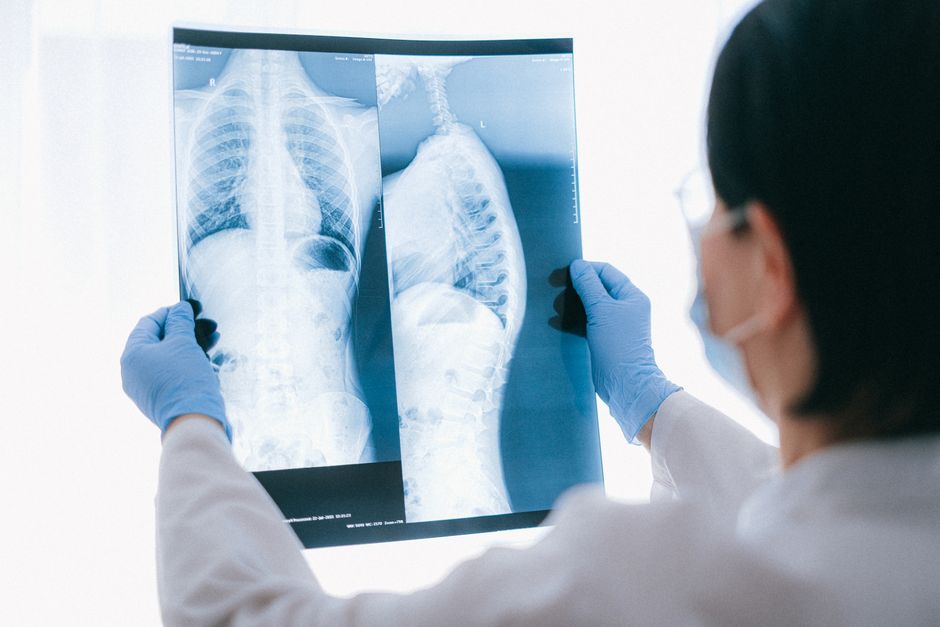
Wheezing is a high-pitched whistling sound that happens when air flows through narrowed airways in your lungs. It is a symptom, not a disease itself. The most common causes are asthma, allergies, respiratory infections, and chronic obstructive pulmonary disease (COPD). When you wheeze, something is making the passageways in your lungs smaller, forcing air to squeeze through a tighter space.
What Exactly Is Wheezing and How Does It Happen?
Wheezing occurs in the bronchial tubes, the branching airways that carry air into your lungs. These tubes have muscles in their walls. When those muscles tighten, the lining swells, or mucus builds up, the space inside the tube narrows. Air moving through a narrower tube creates a higher-pitched sound, much like air moving through a smaller whistle.
The sound is often most noticeable when you breathe out. Exhaling requires air to move through the airways passively, so any narrowing becomes more obvious during that phase. Some people hear wheezing only on exhale. Others hear it on both inhale and exhale. The pitch and location can give doctors clues about which part of the airway is affected.
Not every abnormal breath sound is wheezing. Stridor is a different, louder sound that happens mainly on inhale and usually points to a blockage in the upper airway, like the windpipe. A doctor can usually tell the difference just by listening with a stethoscope.
What Causes Wheezing In The Lungs?
Asthma is the most common cause of wheezing in adults and children. In asthma, the airways are hyperresponsive. Triggers like pollen, dust mites, exercise, cold air, or respiratory viruses cause the airway muscles to spasm. The lining becomes inflamed and produces excess mucus. This combination narrows the airway and produces the classic wheeze.
COPD is another leading cause, especially in people over 40 with a history of smoking. COPD includes emphysema and chronic bronchitis. In both conditions, the airways are permanently damaged and narrowed. Wheezing in COPD tends to be persistent and may worsen with flare-ups or infections.
Respiratory infections like bronchiolitis, bronchitis, and pneumonia can also cause wheezing. When you have a cold that moves into your chest, the airways swell and fill with mucus. This is often temporary. The wheeze usually resolves as the infection clears, though it can linger for weeks in some people.
Allergic reactions are another cause. Anaphylaxis is a severe, life-threatening allergic reaction that can cause sudden wheezing along with swelling of the face or throat, hives, and difficulty breathing. This is a medical emergency requiring immediate treatment with epinephrine and emergency medical care.
Less Common Causes You Should Know About
Sometimes wheezing comes from something physically blocking an airway. Inhaling a small object, like a piece of food or a small toy, can lodge in a bronchial tube. This is more common in young children but can happen at any age. A foreign body in the airway requires prompt medical attention to remove it.
Gastroesophageal reflux disease, or GERD, can trigger wheezing in some people. Stomach acid that backs up into the esophagus can irritate the airways, especially at night. This is often called reflux-related asthma or silent reflux. Treating the reflux sometimes improves the wheezing.
Heart failure can cause wheezing in older adults. When the heart cannot pump effectively, fluid backs up into the lungs. This condition, called pulmonary edema, can produce wheezing or crackling sounds along with shortness of breath, especially when lying flat. This requires urgent medical evaluation.
Vocal cord dysfunction is a condition where the vocal cords close partially during breathing. It can sound very similar to asthma but is not a lung problem. It often causes wheezing on inhale, feels like throat tightness, and may not respond to asthma medications. It is frequently misdiagnosed as asthma initially.
Smoking itself, even without a formal COPD diagnosis, can cause chronic wheezing. Tobacco smoke irritates the airways, increases mucus production, and damages the tiny hair-like structures that clear mucus from your lungs. Over time, this leads to persistent airway narrowing.




When Is Wheezing a Medical Emergency?
Some wheezing requires immediate emergency care. Call emergency services or go to an emergency room if you have wheezing along with any of these signs: difficulty breathing, blue or gray lips or fingernails, confusion, difficulty speaking in full sentences, or rapid breathing that does not slow down. Wheezing that starts suddenly after an insect sting, a new medication, or eating a food you are allergic to may be anaphylaxis and requires immediate treatment.
Wheezing in a baby under three months old should always be evaluated by a doctor. Infants have very small airways, and even mild narrowing can become serious quickly. If your child is wheezing and working hard to breathe, with the skin pulling in between the ribs or above the collarbone, seek medical care promptly.
If you have a known asthma or COPD diagnosis and your wheezing does not improve with your prescribed rescue inhaler, that is a warning sign. It may mean your condition is worsening and you need different treatment. Do not wait to see if it resolves on its own.
How Is Wheezing Diagnosed?
Doctors diagnose wheezing based on your medical history, a physical exam, and sometimes breathing tests. During the exam, the doctor listens to your lungs with a stethoscope. They will ask about when the wheezing started, what makes it worse, and whether you have other symptoms like cough, fever, or chest tightness.
Spirometry is a common breathing test that measures how much air you can exhale and how fast. It helps diagnose asthma and COPD and can show how well your airways respond to medication. The test involves breathing into a tube connected to a machine. It is painless and takes about 15 minutes.
If the diagnosis is unclear, a doctor may order a chest X-ray to check for infections, fluid, or blockages. Allergy testing can identify triggers if allergies are suspected. In some cases, a doctor may refer you to a pulmonologist, a lung specialist, for more advanced testing.
How Is Wheezing Treated?
Treatment depends entirely on the underlying cause. There is no single treatment that works for all wheezing. For asthma, inhaled bronchodilators are the mainstay. These medications relax the airway muscles quickly and open the airways. Inhaled corticosteroids reduce inflammation over time and prevent attacks when used daily.
For COPD, treatment often combines bronchodilators with pulmonary rehabilitation and, for some people, supplemental oxygen. Quitting smoking is the single most important step for anyone with COPD. It slows the progression of the disease and improves response to treatment.
For wheezing caused by an infection, treating the infection is the priority. Bacterial pneumonia may require antibiotics. Viral infections do not respond to antibiotics and are managed with rest, fluids, and symptom relief. The wheeze typically improves as the infection clears.
Some clinicians recommend using a peak flow meter at home if you have asthma. This small device measures how well air moves out of your lungs. Tracking your peak flow daily can help you notice airway narrowing before symptoms become severe and adjust your medication as directed by your doctor.
Can You Prevent Wheezing?
Prevention depends on the cause. For asthma, identifying and avoiding triggers is the most effective strategy. Common triggers include tobacco smoke, dust mites, pet dander, mold, pollen, and strong odors. An allergy specialist can help you identify your specific triggers through testing.
For people with COPD, avoiding tobacco smoke is essential. This includes secondhand smoke. Annual flu shots and pneumonia vaccines are recommended because respiratory infections can cause serious flare-ups in people with chronic lung disease.
For everyone, simple habits help protect your lungs. Wash your hands regularly to reduce the risk of respiratory infections. Avoid exposure to known lung irritants like chemical fumes, dust, and air pollution. If you work in an environment with airborne irritants, use appropriate protective equipment.
What Does a Persistent or Recurring Wheeze Mean?
A wheeze that keeps coming back or never fully goes away needs a thorough evaluation. It suggests an ongoing condition rather than a one-time infection. Asthma, COPD, and GERD are the most common recurring causes. But persistent wheezing can also signal less common conditions like bronchiectasis, where airways are permanently widened and prone to infection, or interstitial lung disease, which involves scarring of lung tissue.
If your doctor has not found a clear cause after initial testing, ask about a referral to a pulmonologist. Persistent wheezing deserves a complete workup. It is not something to simply live with or manage with over-the-counter products. No over-the-counter medication is approved to treat wheezing, and using one without a diagnosis can delay proper treatment.
Frequently Asked Questions
Can wheezing go away on its own?
Sometimes, especially if it is caused by a mild respiratory infection that resolves. But wheezing from asthma, COPD, or another chronic condition usually requires treatment and will not fully resolve without addressing the underlying cause.
Is wheezing always asthma?
No. Wheezing has many causes, including infections, COPD, allergies, GERD, heart failure, and inhaled objects. Asthma is the most common cause, but it is not the only one.
What should I do if my child is wheezing?
Have the child evaluated by a doctor, especially if they are under three months old or have trouble breathing. If the child is working hard to breathe, has blue lips, or is unusually sleepy, seek emergency care immediately.
Does wheezing mean my lungs are permanently damaged?
Not necessarily. Wheezing reflects temporary airway narrowing, which can be reversed with treatment. However, conditions like COPD involve permanent changes, and repeated untreated asthma attacks can lead to long-term airway remodeling.
