
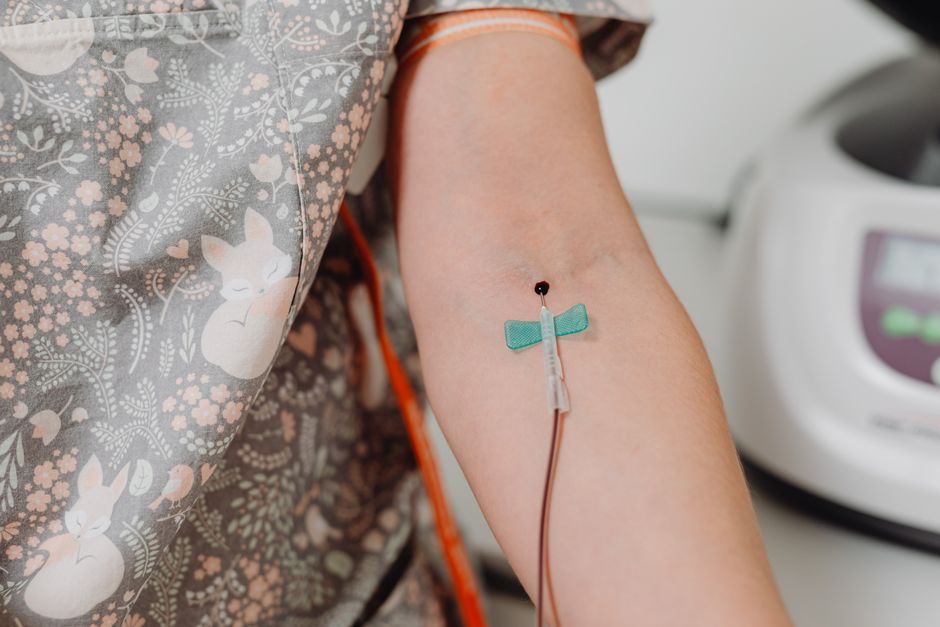
Gammaglobulin therapy is a medical treatment that delivers a concentrated mix of antibodies into the body. These antibodies, also called immunoglobulins, are proteins your immune system uses to find and neutralize threats like bacteria and viruses. The therapy uses antibodies collected from the blood of healthy donors, and it can be given to replace missing antibodies or to change how the immune system behaves.
What Is Gammaglobulin Therapy And How Does It Work
Gammaglobulin therapy works by supplying ready-made antibodies that your body can use immediately. When you receive the infusion, those antibodies enter your bloodstream and start circulating. They can bind to viruses, bacteria, and other foreign substances, which marks them for destruction by other immune cells.
The key difference from a vaccine is timing. A vaccine trains your own immune system to make antibodies over weeks. Gammaglobulin gives you the finished product right away. That makes it useful for emergencies, like after exposure to a disease you have no immunity against, and for people whose immune systems cannot make enough antibodies on their own.
Who Needs Gammaglobulin Therapy?
People receive gammaglobulin therapy for two main reasons: replacement and modulation. Replacement means the body does not make enough antibodies. Modulation means the therapy changes how the immune system acts, even though antibody levels are normal.
Replacement therapy treats primary immunodeficiency diseases. These are genetic conditions where the immune system fails to produce antibodies. Without treatment, people with these conditions get frequent, severe infections. Gammaglobulin gives them the antibodies they lack, reducing infection risk significantly.
Modulation therapy treats autoimmune and inflammatory conditions. In these diseases, the immune system attacks the body’s own tissues. High doses of gammaglobulin can calm this response. Doctors use it for conditions like immune thrombocytopenia, Guillain-Barré syndrome, and chronic inflammatory demyelinating polyneuropathy.
The therapy also provides passive immunity after exposure to certain infections. If someone is exposed to measles or hepatitis A and has no immunity, gammaglobulin can prevent or soften the illness. Rabies and tetanus have specific antibody products for post-exposure treatment.
How Is Gammaglobulin Given?
Gammaglobulin is not a pill. It must be given by infusion or injection because stomach acids would destroy the antibodies. Most people receive it through an intravenous line into a vein, which is called IVIG. Others receive it under the skin, which is called subcutaneous immunoglobulin therapy.
Intravenous therapy usually happens in a clinic or hospital. A typical session takes two to four hours. The dose and frequency depend on the condition being treated. People with primary immunodeficiency often receive infusions every three to four weeks. People with autoimmune conditions may receive a short course of daily infusions for a few days, repeated as needed.
Subcutaneous therapy can be done at home. A small needle delivers the antibodies into the fatty tissue just under the skin. This method usually requires smaller doses given more often, sometimes once or twice a week. Many people prefer it because it offers more flexibility and fewer side effects than IV treatment.





What Are the Side Effects and Risks?
Most people tolerate gammaglobulin therapy well, but side effects are common. Many occur during or shortly after the infusion. Headache, chills, fever, fatigue, and muscle aches are typical. These symptoms often improve when the infusion rate is slowed.
More serious side effects are less common but possible. Aseptic meningitis is an inflammation of the membranes around the brain that can cause severe headache, stiff neck, and sensitivity to light. It usually resolves within days but requires medical attention. Blood clots are a rare but serious risk, especially in people with existing risk factors. Kidney damage has been reported, primarily with older products containing sugar stabilizers.
Severe allergic reactions are rare but can occur. People who lack immunoglobulin A, known as IgA deficiency, may have antibodies against IgA that react to the donor antibodies. For this reason, doctors screen for IgA deficiency before starting treatment in some cases.
Because gammaglobulin is made from human plasma, there is a theoretical risk of transmitting infections. However, modern manufacturing includes steps to inactivate viruses, and the supply is screened carefully. The risk is extremely low with current products.
What Happens Before Treatment Starts?
Before the first infusion, a doctor reviews the patient’s health history and runs blood tests. These tests measure immunoglobulin levels and check for IgA deficiency. Kidney function and blood counts are often checked as a baseline.
During the first infusion, medical staff watch the patient closely. The infusion starts slowly and may be increased gradually. This monitoring helps catch reactions early. After the first session, most people know how their body responds, and later infusions are usually easier.
How Effective Is Gammaglobulin Therapy?
For primary immunodeficiency, the evidence is strong. Research consistently shows that regular gammaglobulin therapy reduces serious infections and improves quality of life. People who could not live normally without treatment can often work, travel, and manage daily activities with consistent therapy.
For autoimmune conditions, effectiveness varies by disease. In immune thrombocytopenia, a condition where platelets are destroyed, gammaglobulin often raises platelet counts within days. In Guillain-Barré syndrome, it can shorten recovery time when given early. In chronic inflammatory demyelinating polyneuropathy, it reduces weakness and improves nerve function in many patients.
For some conditions, the evidence is less clear. Gammaglobulin has been tried for many inflammatory and neurological disorders with mixed results. Some studies show benefit, others do not. Doctors weigh the potential benefit against cost and side effects for each patient.
One important point: gammaglobulin does not cure most conditions. It manages them. For primary immunodeficiency, treatment is lifelong. For autoimmune diseases, it may be used for a period of time or intermittently, depending on the disease course.
How Long Does Protection Last?
Antibodies from gammaglobulin do not last forever. The body breaks them down over time. The half-life of IgG antibodies is about 21 to 28 days. This means half the antibodies you received are gone within that period.
This is why treatment is repeated. People with antibody deficiencies need regular infusions to maintain protective levels. The exact schedule is tailored to each person, based on blood tests and how well they do clinically.
For post-exposure protection, the timeline matters. Gammaglobulin works best when given soon after exposure, often within days. If given too late, the infection may already be established.
Is Gammaglobulin the Same as Plasma?
Gammaglobulin is purified from plasma, but the two are not the same. Plasma is the liquid part of blood and contains many proteins, including antibodies, albumin, and clotting factors. Gammaglobulin is a concentrated extract containing mostly antibodies.
This difference matters for treatment. A unit of plasma contains a limited amount of antibodies, so large volumes are needed to achieve therapeutic levels. Gammaglobulin packs the antibodies into a small volume, making it practical for infusion. Plasma also carries risks that purified products do not, such as transfusion reactions and a higher risk of infection transmission.
Frequently Asked Questions
How long does a gammaglobulin infusion take?
An intravenous infusion typically takes two to four hours. Subcutaneous infusions are smaller and can take one to two hours, sometimes done overnight with a pump.
Can gammaglobulin therapy cause weight gain?
Some people experience fluid retention after infusions, which can show up as temporary weight gain. This usually resolves within a few days and is not the same as gaining body fat.
Is gammaglobulin therapy safe during pregnancy?
Doctors sometimes use gammaglobulin during pregnancy for specific conditions like immune thrombocytopenia, but the evidence base is limited. Any decision requires careful discussion between the patient and her medical team.
How often is gammaglobulin therapy given?
For antibody replacement, infusions are typically given every three to four weeks. For autoimmune conditions, the schedule varies widely, from a single course to monthly treatments depending on the disease and response.
