
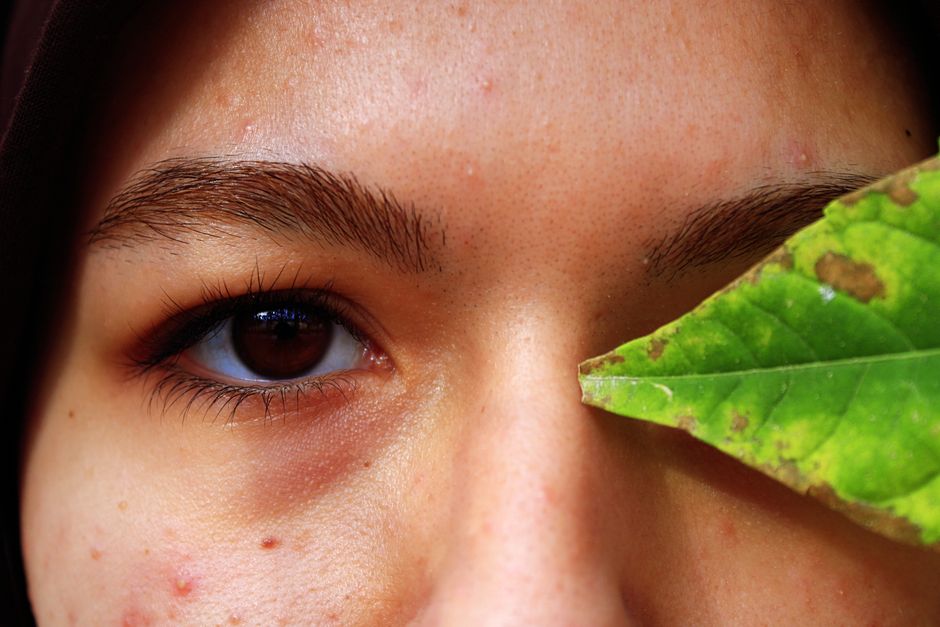
Upper eyelid retraction is the medical term for when the upper eyelid sits higher than normal, exposing more of the white of the eye above the iris. It is not just a cosmetic issue; it can cause dryness, irritation, and a staring appearance that affects how others see you. The most common cause is thyroid eye disease, but several other conditions can trigger it. Treatment depends entirely on the underlying cause, ranging from simple lubricating drops to surgical correction.
What Causes Upper Eyelid Retraction?
Thyroid eye disease is the leading cause. This condition, also called Graves’ ophthalmopathy, is an autoimmune disorder. The immune system attacks the tissues around the eye, causing inflammation and scarring. This scarring can pull the eyelid upward.
Other causes include:
- Neurological conditions: Damage to the nerves that control eyelid muscles can cause retraction.
- Congenital factors: Some people are born with an eyelid position that is higher than normal.
- Trauma or surgery: Scar tissue from an injury or a previous eyelid procedure can shorten the lid.
- Sympathetic stimulation: Stress or certain medications can overstimulate the muscle that lifts the eyelid.
In some cases, the cause is never clearly identified. This is called idiopathic retraction.
What Are The Symptoms Of Eyelid Retraction?
The most visible sign is a wide-eyed or startled appearance. The upper eyelid sits above the top edge of the colored part of the eye. In severe cases, the white of the eye is clearly visible above the iris.
Common symptoms include:
- Dry eyes or a gritty feeling
- Excessive tearing
- Light sensitivity
- Difficulty closing the eyes completely
- Aching or pressure behind the eye
When the eyelid cannot close fully, the cornea is exposed to air. This can lead to corneal damage over time. If you have these symptoms, an eye exam is important to assess the health of the cornea.
How Is Upper Eyelid Retraction Diagnosed?
An eye care professional will measure the position of your eyelid. This measurement is called the margin-reflex distance. It measures the distance from the upper eyelid margin to the light reflex on the cornea. Normal values are typically between 4 and 5 millimeters. Higher values indicate retraction.
The doctor will also check your eye movement and look for signs of thyroid disease. Blood tests may be ordered to check thyroid hormone levels and thyroid antibodies. Imaging studies like a CT scan or MRI may be used if a structural problem is suspected.
Diagnosis is not difficult once the eyelid position is measured. The challenge is finding the underlying cause.




How Is Thyroid Eye Disease Treated?
Thyroid eye disease requires coordinated care between an eye doctor and an endocrinologist. The first step is managing thyroid hormone levels. This often means medications, radioactive iodine, or surgery to treat the thyroid gland itself.
For mild eyelid retraction, lubricating eye drops and ointments can protect the eye from dryness. Sleeping with the head elevated may reduce swelling.
For moderate to severe cases, newer medications are available. These drugs target the immune system directly. They have been shown to reduce inflammation and improve eyelid position in some patients. These are prescription medications that require careful monitoring.
Selenium supplements have been studied for mild thyroid eye disease. Some research suggests they may slow progression. However, the evidence is not strong enough to make a universal recommendation. Talk to your doctor before starting any supplement.
When Is Surgery Needed For Eyelid Retraction?
Surgery is considered when the eyelid position is stable and the underlying disease is controlled. Operating on an active, inflamed eyelid produces poor results. Doctors typically wait until thyroid levels have been stable for at least six months.
Surgical options depend on the specific problem:
- Eyelid lowering surgery: The surgeon lengthens the muscle that lifts the eyelid. This allows the lid to sit lower.
- Mullerectomy: This removes a small muscle that contributes to eyelid elevation.
- Spacer grafts: A small piece of tissue is placed in the eyelid to add length.
Each procedure has specific indications. The choice depends on the severity of retraction and the health of the surrounding tissues.
Can Eyelid Retraction Resolve On Its Own?
Sometimes, yes. In mild cases of thyroid eye disease, the retraction may improve as inflammation subsides. This is more likely in the early phase of the disease. The active phase typically lasts six months to two years.
After the active phase, the condition stabilizes. If retraction remains after this point, it is unlikely to improve without treatment. Most permanent retraction requires surgical correction to achieve a normal eyelid position.
It is important not to wait too long if you have symptoms. Corneal exposure can cause permanent damage. Regular eye exams during the active phase are essential.
What Happens If Eyelid Retraction Is Left Untreated?
The main risk is corneal damage. When the eyelid does not cover the eye completely, the cornea dries out. This can lead to:
- Corneal ulcers
- Infections
- Permanent vision loss
There is also a cosmetic and psychological impact. Many people feel self-conscious about their appearance. This can affect social interactions and quality of life.
Early treatment reduces these risks. Even simple measures like lubricating drops can protect the cornea while the underlying cause is addressed.
Are There Home Remedies For Eyelid Retraction?
No home remedy can change the position of the eyelid. The eyelid position is determined by muscles, nerves, and scar tissue. No exercise, massage, or cream can alter these structures.
However, you can manage symptoms at home:
- Use preservative-free artificial tears during the day
- Apply a warm compress to reduce discomfort
- Use a humidifier in dry rooms
- Wear sunglasses outdoors to reduce light sensitivity
These measures do not treat the cause. They only provide temporary relief. A medical evaluation is necessary to determine whether treatment is needed.
How Long Does Recovery Take After Eyelid Surgery?
Most eyelid surgeries are outpatient procedures. You can go home the same day. Swelling and bruising are common for the first one to two weeks.
Most people return to work within 7 to 10 days. Strenuous activity should be avoided for about two weeks. Full healing takes several months, and the final result may not be visible for up to six months.
Your surgeon will give you specific instructions for care after surgery. These typically include using cold compresses and keeping the head elevated. Follow these instructions carefully to reduce the risk of complications.
Frequently Asked Questions
Is upper eyelid retraction dangerous?
It can be if the eyelid cannot close fully, because the cornea can dry out and become damaged. Mild retraction without symptoms is usually not dangerous, but a medical evaluation is recommended.
Can eyelid retraction be corrected without surgery?
In some cases, treating the underlying condition improves eyelid position without surgery. This is most likely in thyroid eye disease when inflammation is controlled early. Permanent retraction usually requires surgery.
How long does thyroid eye disease last?
The active phase typically lasts six months to two years. After that, the disease stabilizes, but any eyelid retraction that remains is usually permanent without treatment.
Does eyelid retraction affect vision?
It can, if the cornea becomes damaged from dryness or exposure. In severe cases, this can lead to vision loss. Regular eye exams are important to monitor corneal health.
