
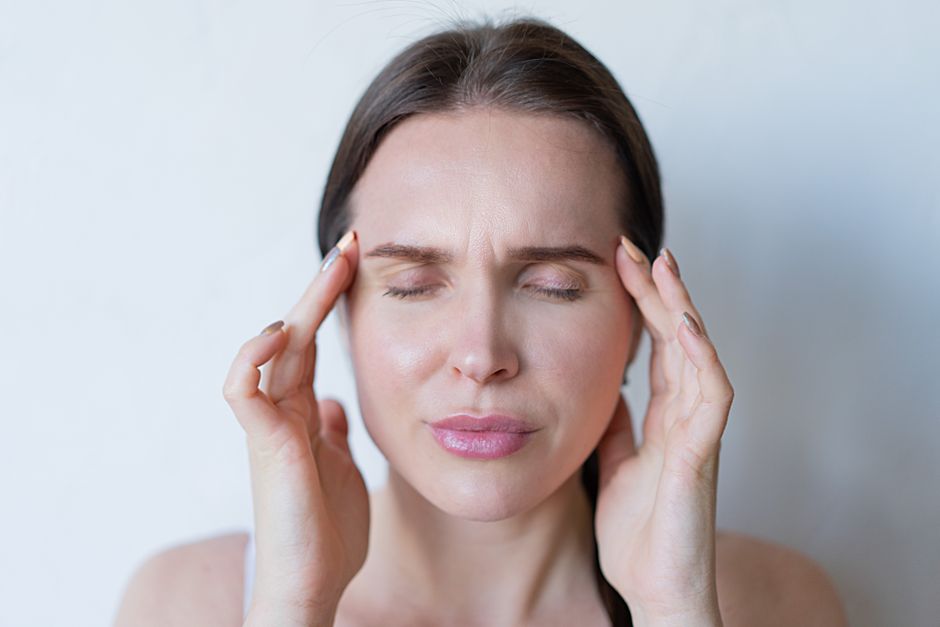
Headaches that strike right at the top of your head can feel strange and worrying. Most of the time, these are tension headaches or cervicogenic headaches—meaning they come from the neck. The pain is usually a dull pressure or a tight band feeling. You should worry if the pain is sudden and severe, like a thunderclap, or if it comes with vision changes, confusion, or trouble speaking. That is rare. For the vast majority, top-of-head headaches are not dangerous and can be managed with simple changes.
What Exactly Causes Pain at the Top of the Head?
The top of your head is a common spot for tension headaches. Research from the National Institute of Neurological Disorders and Stroke shows that tension headaches are the most common type. They often feel like a tight band squeezing your whole head, including the crown. Stress, poor posture, and eye strain are the usual triggers.
Another major cause is cervicogenic headache. This means the pain starts in your neck but you feel it in your head. The nerves in your upper neck connect directly to areas around your scalp. When those neck joints or muscles are irritated, your brain misreads the signal as a headache on top of your head. This is very common in people who sit at desks or look down at phones for hours.
Less common causes include migraines, which can affect any part of the head, and occipital neuralgia, which is a stabbing or shooting pain from irritated nerves at the back of the skull. The location alone does not tell you the cause. You need to pay attention to the quality of the pain and what else is happening.
How Can You Tell the Difference Between Headache Types?
The sensation of the pain matters more than the location. Tension headaches are a steady, dull ache. They do not throb. You might feel like your head is in a vice. They usually build slowly and can last from 30 minutes to several days. They rarely stop you from doing your daily tasks.
Migraines are different. They are usually throbbing or pulsing. They often come with nausea, sensitivity to light or sound, and sometimes visual disturbances called auras. A migraine on top of the head is possible, but it will likely feel more intense and more disabling than a tension headache.
Cervicogenic headaches have a clear pattern. The pain starts in the neck or back of the head and moves up to the top. Moving your neck, especially looking up or turning your head, makes the headache worse. Pressing on certain spots on your neck can trigger the exact headache pain. This is a strong clue that your neck is the source.
What Does Research Say About Neck-Related Headaches?
Studies published in journals like Cephalalgia and The Journal of Headache and Pain have found that cervicogenic headaches are underdiagnosed. Many people who think they have chronic tension headaches actually have a neck problem. One study found that up to 20% of people with chronic daily headaches had a cervicogenic component.
The mechanism is straightforward. Your upper three cervical nerves (C1, C2, C3) connect to the trigeminal nerve, which supplies sensation to your face and scalp. When your neck is stiff or inflamed, those nerves get irritated. The brain then projects the pain to the top of your head. This is called referred pain. It is not in your head. It is real, measurable, and treatable.
Physical therapy targeting the neck has strong evidence behind it. A 2021 review in Physical Therapy found that manual therapy and specific exercises reduced headache frequency and intensity significantly more than medication alone. This is important because it means you may not need drugs to fix the problem.





When Should You Actually Worry About a Headache?
Most headaches are harmless. But a few warning signs require medical attention immediately. The American Headache Society lists these red flags. If you have a thunderclap headache—a sudden, explosive pain that reaches its worst within a minute—go to the emergency room. This can signal a bleeding in the brain called subarachnoid hemorrhage.
Other red flags include a headache that comes with fever and stiff neck, which could be meningitis. A headache after a head injury, especially if you lost consciousness, needs evaluation. Headaches that wake you from sleep or that are worse when you lie down can indicate increased pressure inside the skull. If you have a headache with new weakness, numbness, vision loss, or slurred speech, call 911.
For everyone else, the rule is simple. If your headache pattern changes—becomes more frequent, more severe, or does not respond to your usual treatments—see a doctor. A new headache after age 50 also deserves a medical check. The vast majority of these cases turn out to be nothing serious. But the few that are serious need to be caught early.
What Actually Works to Stop Top-of-Head Headaches?
Treatment depends on the cause. For tension headaches, over-the-counter pain relievers like ibuprofen or acetaminophen work well for occasional use. Do not take them more than 10 days per month. That can cause medication-overuse headaches, which make the problem worse.
For cervicogenic headaches, the best approach is physical therapy. A good therapist will assess your neck posture, joint mobility, and muscle tension. They will teach you exercises to strengthen deep neck flexors and improve posture. Many people get relief within a few weeks without any medication.
Here is a quick comparison of common treatments:
| Treatment | Best For | Evidence Level |
|---|---|---|
| Over-the-counter pain relievers | Occasional tension headaches | Strong for short-term relief |
| Physical therapy / neck exercises | Cervicogenic headaches | Strong, multiple clinical trials |
| Prescription triptans | Migraines | Strong for acute migraine |
| Stress management / biofeedback | Chronic tension headaches | Moderate, recommended by guidelines |
| Chiropractic manipulation | Neck-related headaches | Mixed evidence, some benefit |
Some people also find relief from applying ice or heat to the neck and shoulders. Ice reduces inflammation for acute pain. Heat relaxes tight muscles for chronic tension. Try both and see which helps more.
Common Misconceptions About Top-of-Head Headaches
A big myth is that all headaches on top of the head are sinus headaches. Sinus headaches are actually rare. They cause pain in the face, forehead, and around the eyes, not usually the top of the head. True sinus headaches come with thick nasal discharge and fever. If you do not have those symptoms, it is not a sinus headache.
Another misunderstanding is that caffeine is always bad for headaches. Caffeine can actually help some headaches by constricting blood vessels and boosting the effect of pain relievers. The problem is overuse. If you drink caffeine every day and miss a dose, you can get a withdrawal headache. That headache often hits the top of the head. Keep your caffeine intake consistent and moderate.
Some people believe that headaches always come from high blood pressure. This is not true for most headaches. Severe hypertension, like a reading over 180/120, can cause a headache. But mild to moderate high blood pressure rarely causes head pain. Do not assume your headache is from blood pressure unless you have checked it with a cuff.
How Can You Prevent Headaches From Coming Back?
Prevention starts with posture. The average head weighs 10 to 12 pounds. For every inch your head moves forward, the weight on your neck increases by 10 pounds. That extra load strains the muscles and joints that trigger cervicogenic headaches. Keep your ears aligned over your shoulders. Set a timer on your phone to check your posture every hour.
Sleep position matters too. Sleeping on your stomach twists your neck. Sleeping on your back with a supportive pillow keeps your neck neutral. Avoid pillows that are too high or too flat. Your pillow should fill the gap between your head and the mattress, keeping your spine straight.
Stay hydrated. Dehydration is a well-known headache trigger. The Institute of Medicine recommends about 3.7 liters of water per day for men and 2.7 liters for women, but that includes water from food. A simple rule is to drink when you are thirsty and check that your urine is light yellow. Dark urine means you need more water.
Manage stress actively. Tension headaches are closely linked to muscle tension in the scalp, neck, and shoulders. Relaxation techniques like deep breathing, progressive muscle relaxation, or even a 10-minute walk can interrupt the cycle. You do not need a formal meditation practice. Just a short break from whatever is stressing you.
Frequently Asked Questions
Can dehydration cause headaches on top of the head?
Yes, dehydration is a common trigger for tension headaches that can affect the top of the head. Drinking water often relieves the pain within 30 minutes.
Is it normal to have a headache on top of the head every day?
No, daily headaches are not normal and should be evaluated by a doctor. Chronic daily headaches can have many causes, including medication overuse or an underlying neck problem.
Does poor eyesight cause headaches on the crown of the head?
Yes, uncorrected vision problems can cause eye strain that leads to tension headaches on the top of the head. An eye exam can rule this out.
When should I go to the ER for a top-of-head headache?
Go to the ER if the headache is sudden and severe, comes with a stiff neck and fever, or follows a head injury. Also go if you have confusion, weakness, or trouble speaking.
