
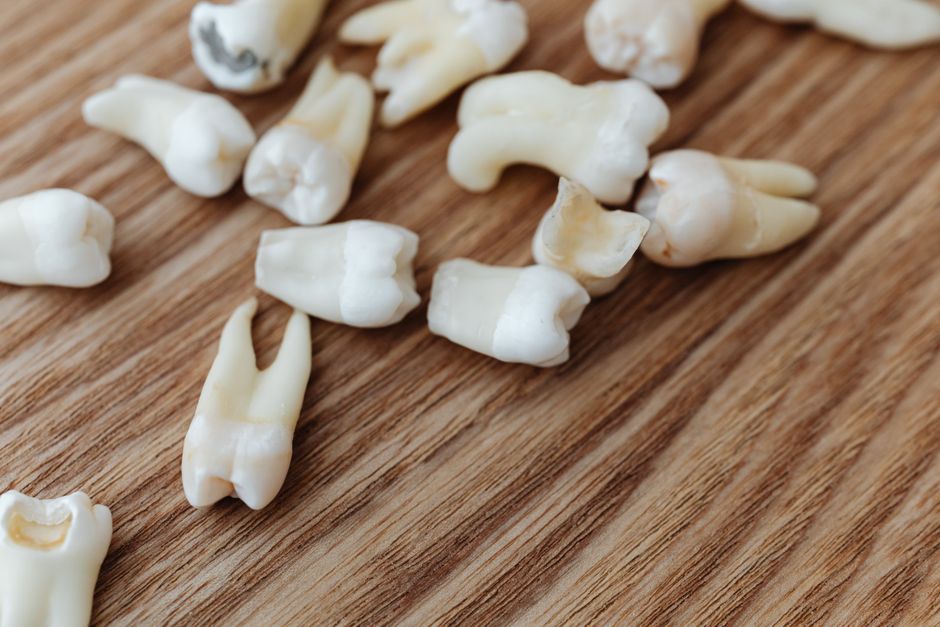
Tooth decay happens when bacteria in your mouth feed on sugar and produce acid that eats away at tooth enamel. That is the short version. The longer version involves dozens of bacterial species, the chemistry of your saliva, how often you eat, and how well you clean your teeth. All of it matters.
Decay is one of the most common chronic conditions worldwide. It is also largely preventable. Understanding what actually causes it — not just “sugar is bad” — helps you see where your own habits fit in.
What Causes Tooth Decay Bacteria Sugar And More?
Tooth decay is a bacterial process, not a simple sugar problem. Certain bacteria that live in dental plaque ferment carbohydrates from your food and produce acid as a waste product. That acid dissolves the mineral structure of your teeth.
Your mouth is never sterile. Hundreds of bacterial species live there. Most are harmless or even helpful. A handful are strongly linked to decay, particularly Streptococcus mutans and Lactobacillus species. These bacteria thrive when you eat fermentable carbohydrates — sugars and cooked starches — frequently.
Every time you eat, acid levels in plaque rise within minutes. The acid attacks enamel for roughly 20 minutes or longer after you finish eating. Your saliva then neutralizes the acid and helps repair early mineral loss through a process called remineralization. Decay happens when acid attacks outpace your mouth’s ability to repair.
This is why frequency matters as much as quantity. Sipping a sugary drink over two hours does more damage than drinking it in five minutes, because your saliva never gets a chance to recover.
Why Is Sugar the Main Driver of Cavities?
Sugar is not the only cause of decay, but it is the fuel that drives the process. Without fermentable carbohydrates, cavity-causing bacteria cannot produce significant acid.
Not all sugars behave the same way. Sucrose — table sugar — is particularly efficient at feeding decay bacteria. Bacteria can also convert sucrose into a sticky substance called glucan, which helps plaque cling to teeth. Glucose and fructose from fruit and sweetened drinks also feed bacteria. Cooked starches like white bread and crackers can contribute too, though generally less than pure sugars.
What matters most is how often sugar hits your teeth, not just how much. A single candy bar eaten with a meal does less harm than the same candy bar nibbled slowly over an hour. The pattern of exposure determines the damage.
One clarification worth making: “natural” sugars like honey and maple syrup are still sugars. Your mouth bacteria do not distinguish between them and white sugar. They feed on both.
How Does Plaque Turn Sugar Into Acid?
Plaque is a thin, sticky film of bacteria that forms on teeth constantly. It begins forming within minutes of brushing. If not removed, it thickens and matures into a more complex bacterial community.
When you eat, bacteria in plaque take up sugars and ferment them. This produces organic acids — mainly lactic acid. The acid drops the pH in plaque below a critical level, around 5.5. Below that threshold, tooth mineral begins to dissolve.
Enamel is mostly calcium and phosphate arranged in a crystal structure called hydroxyapatite. Acid pulls calcium and phosphate out of that structure. This is called demineralization. If it continues unchecked, it creates a small hole — the beginning of a cavity.
Saliva normally reverses this. It washes away food, neutralizes acid, and delivers calcium and phosphate back to the tooth surface. Fluoride from toothpaste or water accelerates this repair and makes enamel more resistant to future acid attacks.




What Other Factors Increase Your Risk of Tooth Decay?
Bacteria and sugar are necessary for decay, but they are not the whole story. Several other factors shift the balance toward or away from cavities.
- Dry mouth. Saliva protects teeth. Medications, medical conditions, and aging can reduce saliva flow. Less saliva means less acid neutralization and repair.
- Poor oral hygiene. Not brushing or flossing allows plaque to build up and stay in contact with teeth longer.
- Frequent snacking. Every snack triggers an acid attack. Constant grazing keeps your mouth acidic all day.
- Acidic drinks. Soda, sports drinks, and even some sparkling waters add their own acid on top of what bacteria produce.
- Gum recession. When gums pull back, they expose the tooth root. Root surfaces are softer than enamel and decay faster.
- Acid reflux. Stomach acid reaching the mouth erodes enamel directly.
- Eating disorders. Frequent vomiting exposes teeth to strong stomach acid.
- Genetics and saliva composition. Some people naturally have more protective saliva or stronger enamel.
- Age. Older adults often have more exposed root surfaces and take more medications that dry the mouth.
Some of these factors you can change. Others you cannot. Knowing which ones apply to you helps you focus your efforts where they matter most.
How Does Tooth Decay Progress Through the Tooth?
Decay moves through tooth structure in stages. Understanding these stages explains why early decay can sometimes be reversed while advanced decay cannot.
First comes demineralization. Acid removes minerals from enamel, but no hole has formed yet. At this stage, the surface may look chalky or white. Saliva and fluoride can repair this damage. This is why early detection matters.
Next, the enamel breaks down and a small cavity forms. Once enamel is gone, it does not grow back. The decay can still be stopped from spreading, but the lost structure needs to be restored with a filling.
If decay reaches dentin — the softer layer beneath enamel — it spreads faster. Dentin is less mineralized and more porous. At this point, you may notice sensitivity to hot, cold, or sweet foods.
When decay reaches the pulp — the inner chamber containing nerves and blood vessels — infection and inflammation follow. This causes pain and usually requires a root canal or extraction. In severe cases, the infection can spread beyond the tooth.
Can Tooth Decay Be Prevented or Reversed?
Early decay can be reversed. Once a cavity forms, it cannot heal on its own — but it can be stopped from getting worse.
Fluoride is the most effective single measure for preventing decay. It works in two ways. It strengthens enamel before acid attacks, and it speeds up remineralization afterward. Community water fluoridation and fluoride toothpaste both reduce cavities. This is well established across decades of research.
Other steps that help:
- Brush twice daily with fluoride toothpaste.
- Limit how often you eat sugary or starchy foods, not just how much.
- Drink water instead of sugary drinks between meals.
- Chew sugar-free gum after meals if you cannot brush. It stimulates saliva.
- Visit a dentist regularly for checkups and cleanings.
- Ask your dentist about sealants for back teeth, especially for children.
Some clinicians recommend additional products like high-fluoride toothpaste or prescription rinses for people at high risk. These are typically used under dental supervision and are not necessary for everyone.
What does not work: brushing harder, using charcoal toothpaste, or relying on “natural” toothpastes without fluoride. No clinical evidence confirms that charcoal toothpaste prevents cavities. Some abrasive charcoals may wear down enamel over time.
Does Diet Affect Cavities Beyond Sugar?
Diet shapes decay risk in ways that go beyond sugar content alone. The form of the food, how often you eat it, and what you eat alongside it all play a role.
Sticky foods — dried fruit, gummy candy, chips — cling to teeth and prolong acid exposure. Liquid sugars like soda and juice spread quickly across all tooth surfaces. Solid sugars in a meal are somewhat less harmful because chewing stimulates saliva and other foods help buffer acid.
Some foods may help protect teeth. Cheese and milk raise pH in the mouth and provide calcium and phosphate. Crunchy vegetables and fruits stimulate saliva. Green tea contains compounds that may reduce bacterial activity, though the evidence is not strong enough to call it a proven cavity preventive.
Timing matters too. Eating sweets with a meal causes less damage than eating them alone as a snack. The meal generates more saliva and the sugar is cleared faster.
The bottom line on diet: reduce how often your teeth are exposed to fermentable carbohydrates. That single change often matters more than cutting out any one food.
Frequently Asked Questions
What bacteria causes tooth decay?
Streptococcus mutans and Lactobacillus species are most strongly linked to tooth decay. These bacteria ferment sugars and produce acid that dissolves enamel.
Does sugar cause cavities directly?
Sugar does not damage teeth by itself. Bacteria in plaque ferment sugar and produce acid, and that acid causes the damage.
Can tooth decay heal on its own?
Early mineral loss can be repaired by saliva and fluoride before a hole forms. Once a cavity forms, it cannot heal on its own and needs a filling.
Is tooth decay genetic?
Genetics can influence enamel strength, saliva composition, and immune response, which affect risk. But daily habits like brushing, flossing, and diet have a larger impact for most people.
