
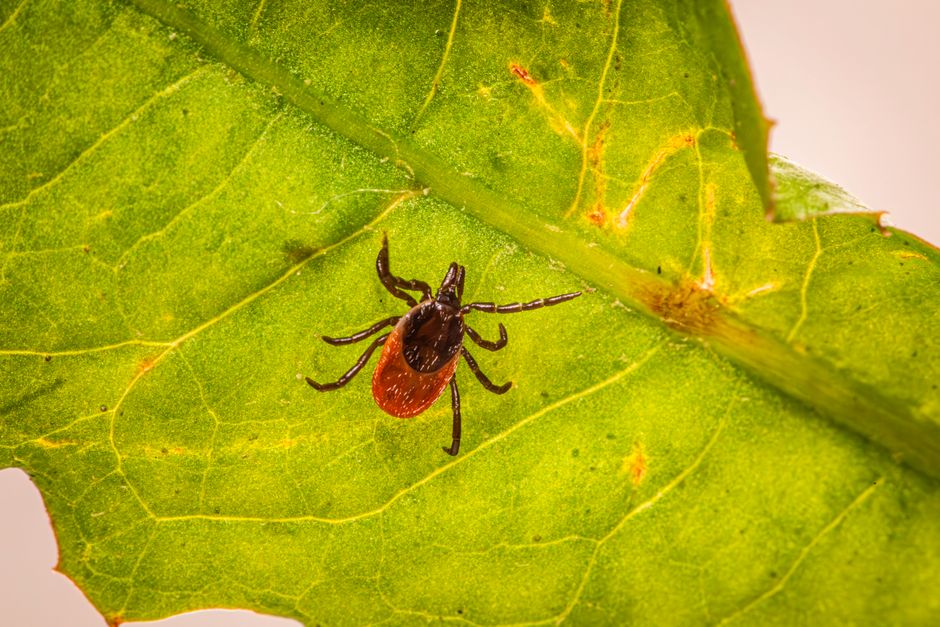
Epistylis is a microscopic organism that grows on the outside of fish, not inside them. It is often described as a parasite, but it is actually a type of protozoan that attaches to skin, fins, and gills and feeds on bacteria and particles in the water around it. Treating it means addressing two things at once: the organism itself and the bacterial infections that almost always come with it. Most cases are resolved by improving water quality, removing the organic waste the organism feeds on, and using approved treatments for both the external growth and any secondary bacterial infection.
What Is Epistylis and How Is It Different From Ich?
Epistylis is a stalked protozoan. It anchors itself to a fish’s skin or fins with a stalk and extends a crown of tiny hairs into the water to sweep in bacteria and organic particles. It does not burrow into the fish or feed on blood the way many true parasites do. That distinction matters for treatment.
It is frequently confused with Ichthyophthirius multifiliis, the parasite that causes white spot disease, commonly called ich. Both appear as small white or grayish spots on a fish. But they are different organisms with different treatment responses.
Ich is an obligate parasite. It burrows into the skin and feeds on tissue. Epistylis sits on the surface. Ich responds to standard antiparasitic medications. Epistylis does not respond well to those same medications because it is not a true parasite in the feeding sense.
There is a practical clue. Epistylis colonies often look like small cottony tufts or fuzzy patches. Ich looks like distinct, round white grains, similar to salt sprinkled on the fish. Epistylis also tends to appear when water quality is poor, while ich can appear in clean water after a fish is stressed or newly introduced.
Some references describe Epistylis as an opportunist. It shows up when there is a lot of dissolved organic material, uneaten food, or waste in the water. The organism itself may cause limited direct harm. The bigger problem is what it signals and what it invites.
Why Bacterial Infections Almost Always Accompany Epistylis
When Epistylis attaches to a fish, it creates a small point of irritation on the skin. That spot can become an entry point for bacteria, particularly Aeromonas and Flavobacterium species that are common in aquarium and pond water.
This is why Epistylis and bacterial infections are usually treated together. The protozoan opens the door. The bacteria walk through it. A fish with Epistylis often develops red streaks, fin rot, or open sores that are bacterial in nature.
Treating only the Epistylis and ignoring the bacterial component usually leads to a fish that improves briefly and then gets worse. Treating only the bacteria without addressing the underlying water quality problem leads to recurrence.
This connection is well established in aquatic veterinary references. It is not a theory. The two problems are linked because the organism damages the skin barrier and bacteria take advantage of that damage.
How To Treat Epistylis Parasite And Bacteria
Treatment works best when it addresses three layers: the water, the organism, and the bacterial infection. Skipping any layer usually means the problem comes back.
Step 1: Improve Water Quality Immediately
Epistylis thrives in water with high organic load. That means uneaten food, fish waste, decaying plant matter, and poor filtration. Before any medication goes in, the water needs attention.
- Perform a partial water change. For most freshwater systems, 25 to 50 percent is a reasonable starting point, depending on how poor the water quality is.
- Remove uneaten food and visible debris from the substrate.
- Check that the filter is running properly and not clogged.
- Test for ammonia, nitrite, and nitrate. Ammonia and nitrite should read zero in a cycled tank. Nitrate should be kept low, generally under 20 to 40 ppm depending on the species kept.
- Reduce feeding for a few days. Fish can go several days without food, and this cuts the organic waste that feeds Epistylis.
This step alone sometimes resolves mild cases. It is not a substitute for treatment when the infection is established, but it removes the conditions the organism needs to survive.
Step 2: Treat the Epistylis Organism
Because Epistylis is a protozoan and not a worm or a true parasite, standard antiparasitic drugs often fail. Treatments that have been used with some success include:
- Salt baths or salt treatment. Sodium chloride at low concentrations in the tank or as a short dip can be effective against external protozoans. This is one of the most commonly used approaches in aquaculture and hobby settings. Concentration and duration vary by fish species, and some fish, especially scaleless species like catfish and loaches, tolerate salt poorly. No single concentration works for all species.
- Formalin-based treatments. Formalin is used in aquaculture for external protozoan infections. It is a regulated substance in many places and is toxic if misused. It should only be used with accurate dosing and good aeration.
- Potassium permanganate. Used as a bath in some aquaculture settings for external infections. It is caustic and can harm fish if overdosed. It also stains and can damage biological filtration.
- Hydrogen peroxide-based products. Some commercial products for external protozoans contain hydrogen peroxide. Evidence for effectiveness specifically against Epistylis is limited.
No treatment is universally effective against Epistylis, and no single protocol is established as the standard across all species. What works in one tank may not work in another. This is not a case where one product fixes everything.
Step 3: Treat the Bacterial Infection
If the fish shows signs of bacterial infection — red patches, frayed fins, open sores, lethargy, or loss of appetite — antibiotics may be needed. In the United States, most antibiotics for fish require a veterinary prescription. Over-the-counter products sold as “antibacterial” often contain ingredients that are not true antibiotics.
Common antibiotics used in aquatic medicine include oxytetracycline, doxycycline, and enrofloxacin, among others. Which one is appropriate depends on the specific bacteria involved and whether the fish is in a tank or a pond. A veterinarian who treats fish can culture the infection and prescribe the right drug.
Self-treating with antibiotics without knowing the target bacteria is a problem. It can lead to resistant bacteria, harm the biological filter, and fail to help the fish. If antibiotics are needed, getting a proper diagnosis is worth the effort.


What About Treating the Whole Tank vs. the Individual Fish?
This depends on the situation. If only one fish is affected and the others look healthy, treating that fish in a separate hospital tank makes sense. It limits medication exposure to the other fish and protects the main tank’s biological filter.
If multiple fish are affected or the tank has a history of Epistylis outbreaks, treating the whole system may be necessary. But whole-tank treatment has downsides. Many medications harm the beneficial bacteria that keep ammonia and nitrite under control. That can trigger a new water quality problem, which is exactly what Epistylis needs to return.
Ponds are a different situation. Epistylis outbreaks in ponds are often tied to overfeeding, poor circulation, or heavy organic load from leaves and debris. Treating a pond usually requires addressing those factors first. Medications for ponds are dosed by volume, and pond volume is often underestimated, leading to underdosing or overdosing.
Can Epistylis Be Prevented?
Prevention comes down to water quality and stress reduction. Epistylis does not appear in clean, well-maintained systems very often. It shows up when organic waste builds up and fish are stressed.
- Feed only what the fish will eat in a few minutes. Uneaten food decays and feeds the organism.
- Keep filtration appropriate for the tank size and fish load.
- Do regular partial water changes. Frequency and volume depend on the system, but weekly or biweekly changes are common practice.
- Quarantine new fish before adding them to a main tank. This reduces the chance of introducing Epistylis or other problems.
- Avoid overcrowding. More fish means more waste and more stress.
- Remove dead plant material and debris promptly.
No prevention method is perfect. Epistylis can appear even in well-kept systems, especially after a stress event like a temperature swing or a filter failure.
Is Epistylis Dangerous to Humans?
Epistylis is not known to infect humans. It is a fish-associated organism. Handling infected fish or tank water does not pose a known risk of Epistylis infection in people.
That said, aquarium water can carry other bacteria, including some that can cause skin infections in people with open cuts or weakened immune systems. Washing hands after handling fish or tank water is a reasonable precaution, not because of Epistylis specifically but because of general hygiene around aquatic systems.
Frequently Asked Questions
Can Epistylis go away on its own?
Mild cases sometimes improve when water quality is corrected, because the organism depends on organic waste in the water. Established infections usually need treatment, and waiting too long allows bacterial infections to develop.
Does aquarium salt kill Epistylis?
Salt is one of the most commonly used treatments for external protozoans and has been effective in many cases. It does not work for all fish species, and scaleless fish can be harmed by it.
How long does it take to treat Epistylis?
There is no standard timeline. Improvement depends on water quality, the treatment used, and whether a bacterial infection is present. Some fish improve within days, while others take longer or do not recover.
Can I use antibiotics from the pet store for Epistylis?
Most over-the-counter products sold as antibacterial are not true antibiotics and may not address the bacterial component. In the US, effective antibiotics for fish typically require a veterinary prescription.
