
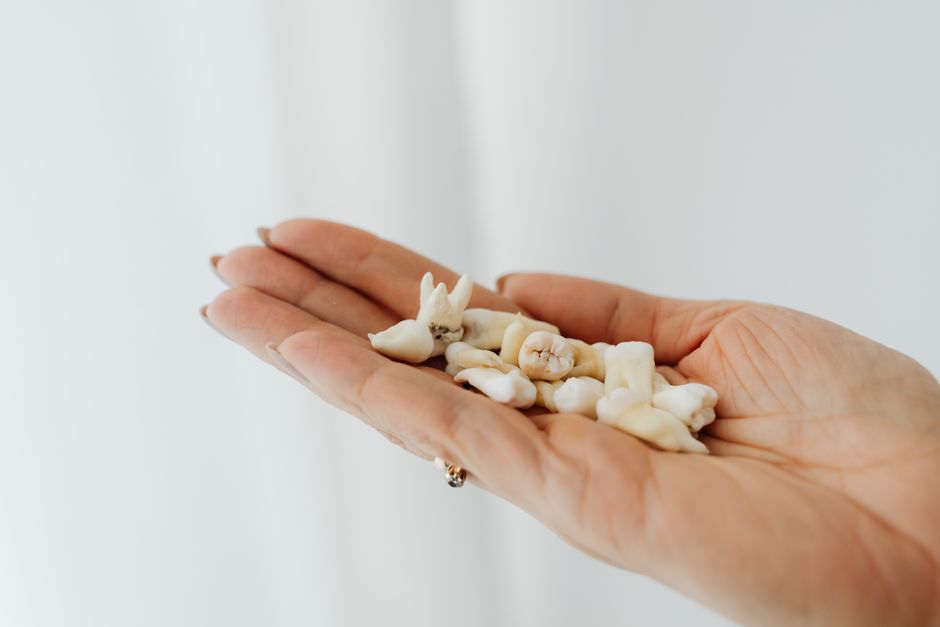
Tooth bone loss happens when the bone that holds your teeth in place shrinks away. The most common cause is gum disease, an infection of the tissues around the teeth. Other causes include missing teeth, dentures that do not fit well, and certain health conditions or habits. You cannot regrow this bone on your own, but you can slow or stop the loss — and sometimes prevent it — with good daily care, regular dental visits, and treatment for gum disease.
What Causes Tooth Bone Loss And How To Prevent It?
Bone loss around teeth is not a normal part of aging. It is a response to a problem. The bone that supports your teeth — called alveolar bone — stays strong when teeth are present and healthy. It shrinks when it is not needed, or when infection or inflammation damages it.
Gum disease is the leading cause. Bacteria build up in plaque along the gumline. If plaque is not removed, it hardens into tartar. The gums become inflamed. Over time, the infection spreads below the gumline and the body’s immune response starts breaking down the bone that anchors the tooth.
This process is usually painless in its early stages. That is why so many people do not know it is happening until a dentist finds it on an X-ray or measures pockets between the teeth and gums.
Other causes matter too. A missing tooth leaves a gap, and the bone that used to support it slowly resorbs because it no longer has a job. Ill-fitting dentures can press on bone and speed up loss. So can habits like smoking, which reduces blood flow to the gums and makes gum disease worse.
Prevention centers on three things: keeping plaque off the teeth, catching gum disease early, and replacing missing teeth when possible.
How Does Gum Disease Lead to Bone Loss?
Gum disease starts as gingivitis — inflammation of the gums only. Gums may look red, swell, or bleed when you brush. At this stage, the bone is not affected. Gingivitis is reversible with good cleaning and professional care.
If gingivitis is left untreated, it can progress to periodontitis. This is where bone loss begins. The infection moves below the gumline into the space between the gum and the tooth. The body’s immune system fights the bacteria, but the inflammatory response also damages the tissues and bone that hold the tooth in place.
As bone is lost, the gum pulls away from the tooth, forming a deeper pocket. That deeper pocket holds more bacteria, which drives more inflammation. It becomes a cycle that is hard to reverse without treatment.
Dentists measure these pockets with a small probe. Shallow pockets are healthy. Deeper pockets suggest gum disease and possible bone loss. X-rays show the level of bone around each tooth.
This is why regular checkups matter. You cannot see or feel bone loss in its early stages. A dentist can.
Can Missing Teeth Cause Bone Loss?
Yes. Bone responds to the forces placed on it. When a tooth is gone, the bone that once held it no longer receives the stimulation it needs. Over time, that bone shrinks. This is called disuse atrophy, and it is well documented in dentistry.
The change can be significant. The jawbone in the area of a missing tooth tends to lose width and height over the years. This can make later tooth replacement harder. It can also affect how dentures fit and how the face looks.
Replacing a missing tooth — with an implant, a bridge, or a partial denture — can help preserve the bone in that area. Dental implants are the only option that actively stimulates the bone the way a natural tooth root does. That is one reason implants are often recommended when a tooth is lost.
Not everyone needs an implant, and not everyone is a candidate. The right choice depends on your health, your bite, cost, and your preferences. A dentist can explain the options for your situation.


What Habits and Health Conditions Increase the Risk?
Some risk factors you can change. Others you cannot. Knowing which is which helps you focus your effort where it counts.
Smoking is one of the strongest risk factors for gum disease and bone loss. It reduces blood flow to the gums and weakens the body’s ability to fight infection. People who smoke are more likely to develop periodontitis, and treatment is less likely to succeed while they continue to smoke.
Poor blood sugar control in diabetes is another major factor. High blood sugar raises the risk of gum disease and makes it harder to control. Gum disease can also make blood sugar harder to manage. The relationship goes both ways.
Hormonal changes — during pregnancy, menopause, and puberty — can make gums more sensitive to plaque. This does not mean bone loss is inevitable, but it does mean gum care deserves extra attention during these times.
Certain medications can affect gum health or bone. Some blood pressure drugs and anti-seizure drugs can cause gum overgrowth. Long-term use of some medications, including certain steroids and drugs used to treat osteoporosis, can affect bone. If you take any of these, ask your dentist or doctor about your oral health.
Grinding and clenching put extra force on teeth and the bone around them. Over time, this can contribute to bone loss and tooth damage. A night guard may help protect the teeth if grinding is a problem.
Poor nutrition — especially low intake of calcium and vitamin D — can weaken bone throughout the body, including the jaw. A balanced diet supports bone health, though diet alone will not stop gum disease.
What Can You Do to Prevent Tooth Bone Loss?
Prevention works best when it starts early and stays consistent. Here is what the evidence supports.
- Brush twice a day with a fluoride toothpaste. Use a soft-bristled brush and clean along the gumline, where plaque builds up.
- Clean between your teeth daily with floss or another interdental cleaner. Brushing alone does not reach the spaces between teeth, where gum disease often starts.
- See a dentist for regular checkups and cleanings. Professional cleaning removes tartar that you cannot remove at home. Checkups catch gum disease before bone loss becomes severe.
- Do not smoke. Quitting is one of the most effective things you can do for your gum health.
- Control blood sugar if you have diabetes. Good glucose control supports gum health, and healthy gums support glucose control.
- Replace missing teeth when you can. Talk with your dentist about options to preserve bone in the gap.
- Address gum disease early. If your gums bleed, look red, or feel tender, get checked. Early treatment can stop the progression.
No home remedy can regrow bone that has already been lost. Products that claim to reverse bone loss without professional treatment are not supported by clinical evidence. What you can do is stop the loss from getting worse.
How Is Tooth Bone Loss Treated?
Treatment focuses on controlling the infection and, in some cases, rebuilding lost bone. The right approach depends on how much bone has been lost and what caused it.
For gum disease, the first step is usually a deep cleaning — called scaling and root planing. This removes plaque and tartar from below the gumline and smooths the tooth roots. In many cases, this is enough to control the infection and slow bone loss. Some patients need additional treatment, including antibiotics or surgery.
For more advanced disease, a dentist or periodontist may recommend flap surgery to clean deeper pockets, or bone grafting to rebuild bone in areas where it has been lost. Bone grafts use material — from your own body, a donor, or a synthetic source — to encourage new bone growth. These procedures are well established in periodontal practice, but outcomes vary. Not every patient is a candidate, and results depend on the case.
For missing teeth, dental implants are the most effective way to preserve bone in the jaw. An implant is a titanium post placed in the jawbone. It fuses with the bone and acts like a tooth root, providing the stimulation bone needs to stay strong. Implants have high success rates, but they require enough bone to support them and good overall health. Some patients need a bone graft before an implant can be placed.
For denture wearers, well-fitting dentures are important. Dentures that press unevenly on the gums and bone can speed up bone loss. Regular adjustments and, in some cases, implant-supported dentures can help.
No treatment can restore bone to what it was before loss occurred. The goal is to stop further loss and keep the teeth you have.
When Should You See a Dentist?
See a dentist if you notice any of the following:
- Gums that bleed when you brush or floss
- Red, swollen, or tender gums
- Gums that have pulled away from the teeth
- Persistent bad breath
- Loose teeth or teeth that feel different when you bite
- A change in how your dentures fit
- A gap where a tooth is missing
These signs do not always mean bone loss is happening. But they are worth checking. Early gum disease is much easier to treat than advanced disease. And the earlier bone loss is caught, the more you can do to slow it down.
If it has been a while since your last dental visit, schedule one. A checkup with X-rays can show bone levels and catch problems before they cause symptoms.
Frequently Asked Questions
Can tooth bone loss be reversed?
No. Bone that has been lost around teeth does not grow back on its own. Treatment can stop further loss and, in some cases, bone grafting can rebuild bone in specific areas.
Does bone loss around teeth hurt?
Usually not in the early stages. Bone loss from gum disease is often painless until it is advanced, which is why regular dental checkups matter.
Can I prevent bone loss without a dentist?
Good daily brushing and flossing help reduce your risk, but they cannot remove tartar below the gumline or detect early bone loss. Professional care is part of prevention.
Does smoking really affect tooth bone loss?
Yes. Smoking reduces blood flow to the gums and weakens the body’s ability to fight infection, making gum disease and bone loss more likely.
Is bone loss around teeth a normal part of aging?
No. Bone loss is not caused by aging itself. It is caused by gum disease, missing teeth, and other factors that can often be prevented or treated.
