
Thick fingernails usually come from two main sources: a fungal infection or the natural aging process. Fungus causes the nail to thicken, turn yellow or brown, and become brittle. Aging alone can also make nails thicker and more ridged as blood flow slows and cell turnover decreases. Sometimes both factors are at work, and other conditions like psoriasis or injury can also play a role.
What exactly causes thick fingernails as you age?
As you get older, your body makes nails more slowly. The nail matrix — the tissue under the cuticle where nail growth starts — becomes less efficient. This slower growth allows nail cells to pile up, which makes the nail plate thicker over time.
Blood circulation also decreases with age. Less blood flow to the fingertips means fewer nutrients reach the nail bed. The result is a thicker, more brittle, and sometimes yellowed nail. The American Academy of Dermatology notes that these changes are normal and not usually a sign of disease.
Injury is another factor. Older adults may bump their toes or fingers more often without realizing it. Repeated minor trauma, especially to the big toe, can trigger the nail to grow thicker as a protective response.
How do you tell if thick nails are from fungus versus aging?
Fungal infections cause distinct changes that aging alone does not. A fungus typically starts at the tip or side of the nail and spreads inward. The nail often turns yellow, green, or brown. It may lift away from the nail bed, creating a gap where debris collects. The nail can also crumble at the edges.
Age-related thickening looks different. The nail stays attached to the nail bed. The color may shift to a dull yellow-gray, but not the bright yellow or green of fungus. Ridges running lengthwise are common with aging. The nail feels hard and thick but does not crumble.
Research published in the Journal of the American Academy of Dermatology found that about 20% of older adults with thickened nails actually have a fungal infection. The rest have age-related changes or other conditions. A simple lab test from a podiatrist or dermatologist can confirm fungus.
What other health conditions cause thick fingernails?
Psoriasis is a common cause. About half of people with skin psoriasis also develop nail psoriasis. The nails thicken, pit, and may separate from the nail bed. The thickening can look similar to fungus, but the pitting is a giveaway for psoriasis.
Peripheral artery disease (PAD) reduces blood flow to the feet and hands. Nails grow slowly and thicken as a result. People with PAD often have cold feet, leg pain when walking, and slow-healing sores. The CDC estimates that 6.5 million Americans over 40 have PAD.
Diabetes can also affect nail health. High blood sugar damages small blood vessels, reducing circulation to the nail bed. Diabetics are also more prone to fungal infections. A 2020 study in the Journal of Diabetes Research found that 30% of people with diabetes had nail abnormalities, with thickening being the most common.
Other less common causes include thyroid disease, kidney disease, and certain medications like retinoids. If your nails are thick and you have other symptoms like fatigue, weight changes, or skin problems, a medical checkup makes sense.




What treatments actually work for thick fingernails caused by fungus?
Antifungal medication is the only treatment that cures a fungal infection. Topical creams and polishes can help but have low success rates for thick nails. A 2018 review in the Cochrane Database of Systematic Reviews found that topical treatments cured only about 10-15% of nail fungus infections.
Oral prescription medications work much better. Terbinafine (Lamisil) and itraconazole (Sporanox) are the most common. The same Cochrane review found that oral terbinafine cured about 70-80% of infections after 12 weeks of treatment. These medications require a doctor’s prescription and a blood test to check liver function.
Laser treatments are also available but less proven. The FDA has cleared several lasers for nail fungus, but studies show mixed results. Some research shows improvement in about 50-60% of cases, but complete cure rates are lower than oral medication. Insurance rarely covers laser treatment.
| Treatment | Cure Rate | Duration | Side Effects |
|---|---|---|---|
| Oral terbinafine | 70-80% | 12 weeks | Liver enzyme changes, rash, taste disturbance |
| Topical antifungal | 10-15% | 6-12 months | Mild skin irritation |
| Laser therapy | 50-60% improvement | 1-3 sessions | Pain, redness, swelling |
| Nail debridement (trimming) | Symptom relief only | Ongoing | None |
What can you do at home for thick nails from aging?
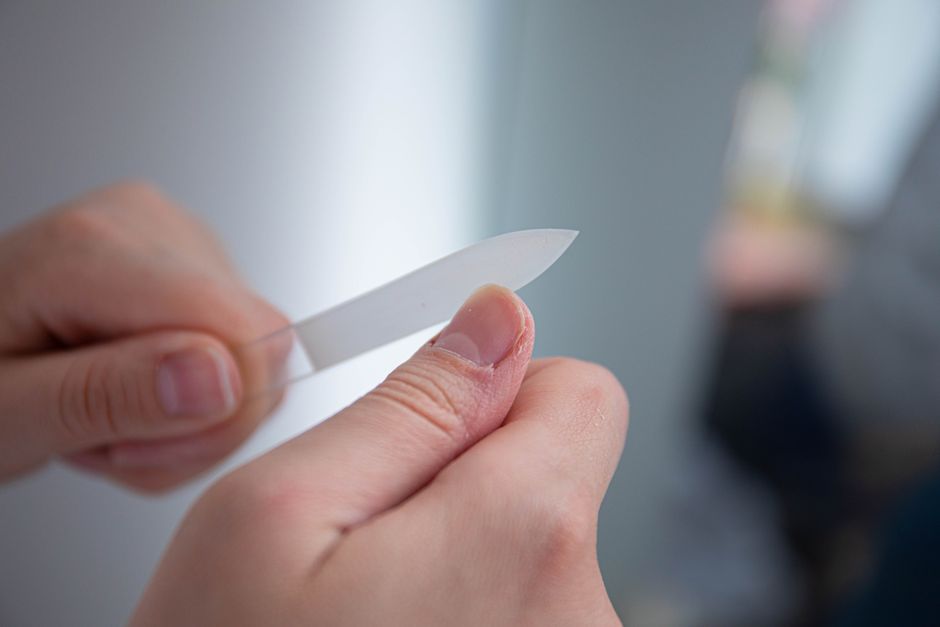
Regular filing and trimming help manage thickness. Use a coarse nail file to thin the nail surface. File in one direction, not back and forth, to avoid splitting. A podiatrist can also use a special drill to safely thin thick nails during office visits.
Moisturizing makes a difference. Thick nails from aging are often dry and brittle. Apply a thick moisturizer or petroleum jelly to the nails and cuticles every night. Urea-based creams are especially effective because they soften the nail keratin. Products with 20-40% urea are available over the counter.
Protect your feet from injury. Wear shoes with a wide toe box so your toes are not compressed. Avoid walking barefoot, especially outdoors. If you have diabetes or circulation problems, check your feet daily for cuts, blisters, or changes in nail appearance.
Some people report success with tea tree oil or vinegar soaks for fungus. Strong evidence is limited. A 2013 study in the Journal of Family Medicine found that tea tree oil combined with an antifungal cream worked slightly better than the cream alone, but the difference was small. Vinegar soaks have no clinical evidence supporting them for nail fungus.
What common myths about thick nails should you ignore?
One widespread claim is that thick nails always mean a serious health problem. This is not true. For most older adults, thick nails are a normal part of aging. Only about 20% of cases are caused by fungus, and an even smaller percentage point to systemic disease.
Another myth is that nail polish and artificial nails cause thickening. Polish itself does not thicken the nail plate. However, wearing polish for months without removal can trap moisture and create an environment where fungus grows. Acrylic nails can also damage the nail bed if applied or removed improperly.
Some people believe that taking biotin supplements will fix thick nails. Biotin helps brittle nails that split and peel, but it does not treat fungus or age-related thickening. The National Institutes of Health states that biotin deficiency is rare, and supplements only help if you are actually deficient. Most people get enough biotin from food.
You may also hear that thick nails are contagious. Fungal infections are contagious, but age-related thickening is not. You cannot catch aging nails from someone else. If you share nail clippers or files with someone who has fungus, you can catch it. Always clean tools with alcohol between uses.
Frequently Asked Questions
Can thick fingernails be a sign of something serious?
Yes, but rarely. Thick nails can signal psoriasis, thyroid disease, or circulation problems. If you have other symptoms like fatigue, skin changes, or leg pain, see a doctor.
How do I know if my thick nails are fungus or just aging?
Fungus usually turns the nail yellow or green and causes crumbling at the edges. Aging nails stay attached and have lengthwise ridges. A lab test from a dermatologist can confirm fungus.
What is the fastest way to get rid of thick toenail fungus?
Oral prescription medication like terbinafine works fastest, with cure rates around 70-80% after 12 weeks. Topical treatments and lasers are slower and less effective.
Should I see a podiatrist or a dermatologist for thick nails?
A podiatrist can trim and thin the nails safely. A dermatologist can diagnose fungus and prescribe oral medication. For most people, starting with a podiatrist is fine.
