
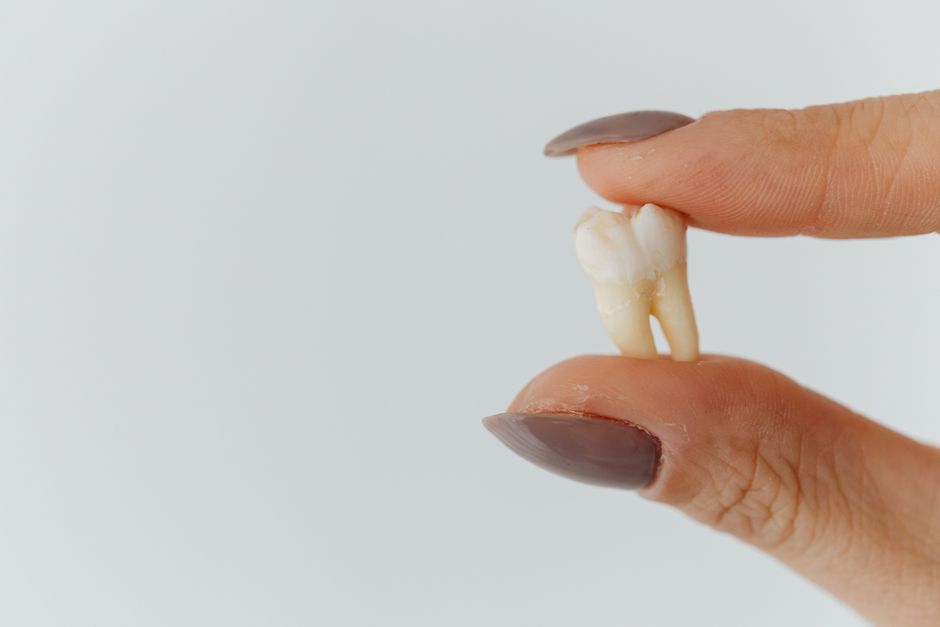
That sharp jolt when cold water hits a tooth is not your imagination, and it is not a sign that something is wrong with your whole mouth. It happens because the inner part of the tooth, where the nerves live, has lost some of its protective covering.
Teeth become sensitive to cold when the outer layer of enamel wears down or the gum line pulls back, exposing a layer called dentin. Dentin is packed with tiny microscopic tubes that connect to the tooth’s nerve center. When cold reaches those tubes, the fluid inside them moves, and the nerve reacts with a quick, sharp pain.
This is a mechanical event, not a mood or a mystery. Something has changed in the tooth’s structure or in the tissue around it, and the cold is simply revealing that change.
What Causes Teeth To Be Sensitive To Cold?
The most common cause is exposed dentin. Enamel is the hard, mineral-rich shell that covers the crown of the tooth. Below the gum line, a softer material called cementum covers the root. Between the enamel and the cementum is a boundary that, when exposed, leaves dentin open to the mouth.
Dentin contains thousands of microscopic channels called tubules per square millimeter. These tubules run from the outer surface toward the pulp, the soft core of the tooth that holds nerves and blood vessels. The leading explanation for cold sensitivity is called the hydrodynamic theory. Cold changes the pressure inside those tubules, and that pressure shift is detected by nerve endings in the pulp. You feel it as a sudden sting.
Several things expose dentin or irritate the pulp:
- Gum recession, which uncovers the root surface
- Enamel wear from grinding or a hard-bristled toothbrush
- Acid erosion from diet or stomach acid
- A cracked or chipped tooth
- Worn or loose fillings
- Tooth decay reaching toward the pulp
- Recent dental work, including whitening
Each of these removes a barrier or creates a direct route to the nerve. The result is the same cold-shock response, even though the underlying problem is different.
Why Does Gum Recession Expose The Roots?
Gums recede for reasons that are often mechanical rather than a matter of aging alone. When gum tissue pulls back, it exposes the root surface, and the root does not have enamel. It only has a thin layer of cementum, which wears away easily.
Once that cementum is gone, the dentin of the root is directly exposed to everything you eat and drink. This is why receding gums are one of the most frequent reasons adults develop cold sensitivity later in life.
Common contributors include:
- Brushing with too much force or with hard bristles
- Gum disease, which damages the tissue and bone that support teeth
- Grinding or clenching, which stresses the gum line
- Natural thinning of gum tissue with age
- Misaligned teeth that put uneven pressure on the gums
Gum recession is usually gradual and often painless until sensitivity appears. That is why it can go unnoticed for years.
Can Brushing Too Hard Cause Cold Sensitivity?
Yes. Brushing hard does not clean teeth better. It removes enamel at the gum line and pushes the gums back over time.
The damage is slow, so it rarely feels like an injury in the moment. But the worn notch at the base of the tooth and the receded gum line are exactly the conditions that leave dentin exposed. A soft-bristled brush and gentle pressure clean just as effectively without stripping the tooth surface.
This is one of the few causes that is largely within your control. Changing how you brush will not reverse existing wear, but it can stop making it worse.




How Does Acid Erosion Play A Role?
Acid dissolves the mineral in enamel. When enamel thins, dentin sits closer to the surface, and cold reaches the nerve more easily.
Two sources of acid matter most. The first is what you eat and drink, such as citrus, soda, sports drinks, and other acidic beverages. The second is stomach acid, which can reach the mouth with frequent vomiting, reflux, or an eating disorder.
Stomach acid is far stronger than most dietary acids, and repeated exposure can wear teeth quickly. Sipping acidic drinks slowly throughout the day may be harder on enamel than drinking them with a meal, because it keeps the mouth acidic for longer stretches.
Is Cold Sensitivity A Sign Of A Cavity?
Sometimes. A cavity that has reached the dentin can cause sensitivity to cold, sweets, or both. But cold sensitivity alone does not confirm a cavity, and a cavity does not always cause it.
The pattern of the pain gives clues. Sensitivity from exposed dentin tends to be brief and sharp, and it stops within seconds of the cold being removed. Pain that lingers, throbs, or wakes you at night points toward something deeper, such as inflammation of the pulp or an infection.
Other conditions that can cause cold sensitivity include a cracked tooth, a failing filling, receding gums, and a recently treated tooth. Because several problems produce similar symptoms, a dentist usually needs an exam and sometimes an X-ray to tell them apart. Guessing based on symptoms alone is unreliable.
What Makes Cold Sensitivity Worse?
Certain habits and conditions amplify the problem. Recognizing them can help you avoid making an already sensitive tooth more irritated.
- Grinding or clenching, which flexes the tooth and stresses the pulp
- Highly acidic diets that continue to erode enamel
- Whitening products, which can temporarily increase sensitivity
- Aggressive brushing that keeps wearing down the gum line
- Frequent vomiting or reflux, which bathes teeth in stomach acid
Cold sensitivity after a dental procedure is common and often settles on its own, though the timeline varies and is not predictable for every person. If it does not improve, or if it gets worse, that is worth reporting to your dentist.
When Should You See A Dentist About Cold Sensitivity?
Occasional brief sensitivity is common and not automatically an emergency. But some patterns need prompt attention.
See a dentist if the pain is severe, lasts more than a few seconds after the cold is gone, occurs without any cold trigger, or comes with swelling, a bad taste, or a fever. These can signal an infection or damage that will not resolve on its own.
You should also get checked if sensitivity appears suddenly in one tooth, follows an injury, or keeps you from eating or drinking normally. A dentist can identify whether the cause is exposed dentin, decay, a crack, or something else, and match the treatment to the actual problem.
It is worth being clear about what over-the-counter sensitivity toothpastes can and cannot do. Some contain compounds that block the dentin tubules or calm the nerve, and some people find real relief. But these products address the symptom, not an underlying cavity or crack. If a cavity is the cause, toothpaste will not fix it.
Can You Prevent Cold Sensitivity?
You cannot control every cause, but several steps reduce the wear that leads to exposed dentin.
- Use a soft-bristled brush and light pressure
- Limit acidic drinks and do not sip them all day
- Wait a while to brush after acidic food or drink, since enamel is temporarily softer
- Ask about a night guard if you grind your teeth
- Keep regular dental visits so gum recession and decay are caught early
Prevention focuses on protecting enamel and gum tissue before dentin is exposed. Once wear has happened, it does not grow back on its own. Enamel cannot regenerate, so the goal shifts to managing the sensitivity and stopping further loss.
Frequently Asked Questions
Why is my tooth suddenly sensitive to cold?
A sudden change usually means dentin has become exposed through gum recession, enamel wear, a crack, or a new cavity. A dentist can identify which one is causing it.
Does cold sensitivity mean I have a cavity?
Not necessarily. Cavities can cause it, but exposed dentin from receding gums or worn enamel is a more common cause of brief, sharp cold sensitivity. Only an exam can tell the difference.
Will sensitive toothpaste fix my cold sensitivity?
It can reduce symptoms for some people by blocking the dentin tubules or calming the nerve. It will not repair a cavity, crack, or infection, so ongoing pain needs a dental exam.
How long does cold sensitivity last after a filling?
It often fades over days to a few weeks, but the timeline varies and is not predictable for every person. If it worsens or persists, contact your dentist.
