
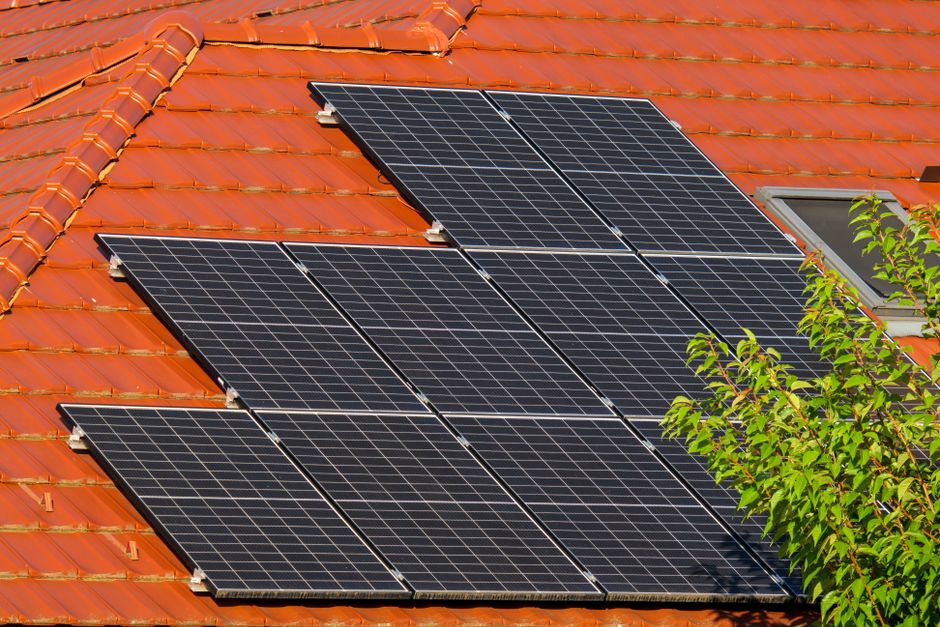
Solar panels do not last forever. Over years of exposure to sunlight, weather, and temperature swings, their power output slowly declines. This process is called degradation. Most panels lose about 0.5% to 1% of their output each year, which means a typical panel still produces around 85% to 92% of its original power after 25 years. Understanding what causes this decline helps you know what to expect from your system and how to protect your investment.
What Causes Solar Panels To Degrade Over Time?
The main cause is simple physics and chemistry. Every time sunlight hits a solar cell, it creates electricity. But that process also causes tiny structural changes in the silicon material. Over decades, these changes add up and reduce the cell’s ability to convert light into power.
This is called light-induced degradation, and it happens to all silicon-based panels. The first few hours of sunlight cause the most noticeable drop, often around 1% to 3% in the first year. After that, the decline slows to a steadier, slower rate.
What Are the Main Types of Solar Panel Degradation?
Researchers group degradation into several categories. Each affects the panel differently, but the result is the same — less electricity over time.
- Light-induced degradation (LID): Happens in the first hours of sunlight exposure. Oxygen in the silicon reacts with light and causes a small, permanent drop in output.
- Potential-induced degradation (PID): Occurs when voltage leaks from the panel frame into the solar cells. This can cause significant power loss if not prevented.
- Thermal cycling: Panels expand and contract as temperatures rise and fall. Over thousands of cycles, this stress can crack cells or weaken connections.
- Humidity and moisture intrusion: Water vapor can seep into the panel through tiny gaps in the seal. This corrodes metal contacts and reduces performance.
- UV degradation: Ultraviolet light breaks down the plastic backing and encapsulant materials over time. This can cause discoloration and reduce light absorption.
How Fast Do Solar Panels Actually Degrade?
The rate varies by panel quality and manufacturer. Most modern panels come with a performance warranty that guarantees at least 80% output after 25 years. That works out to roughly 0.6% to 0.8% annual degradation.
Some premium panels degrade slower, around 0.3% to 0.5% per year. Cheaper panels may degrade faster, especially if they use lower-grade materials or sloppy manufacturing processes.
Research on older panels installed in the 1980s and 1990s found many still working after 30 years, though at reduced output. Some studies indicate the average degradation rate for well-made panels is about 0.5% per year, which is better than the warranty suggests.





What Environmental Factors Speed Up Degradation?
Location matters more than most people realize. Panels in hot, humid climates degrade faster than those in cool, dry regions. Heat accelerates chemical reactions inside the panel, and moisture corrodes internal components.
Coastal installations face an extra risk. Salt spray in the air can corrode aluminum frames and metal connectors. Panels near the ocean need extra attention to mounting hardware and electrical connections.
Dust and dirt do not cause permanent degradation, but they do reduce output while present. A dirty panel can lose 5% to 20% of its production depending on how much debris accumulates. Cleaning panels restores most of this loss, though heavy soiling over many years can cause hot spots that damage cells.
Hail is a different story. Large hailstones can crack the glass or damage cells directly. Most panels are tested to withstand 1-inch hail at moderate speeds, but severe storms can still cause damage.
What Is Potential-Induced Degradation and Why Should You Care?
PID is one of the more serious degradation mechanisms because it can cause rapid power loss. It happens when a voltage difference exists between the solar cells and the panel frame. This voltage pushes sodium ions from the glass into the silicon cells, which reduces their ability to generate electricity.
Not all panels are equally vulnerable. Some manufacturers design their panels to resist PID by using better materials or adding protective layers. The risk also depends on how the system is wired. Systems with higher system voltages, like the 600-volt and 1,000-volt arrays common in commercial installations, face more PID risk than small residential systems.
In some cases, PID can be partially reversed. Grounding the frame or applying a positive voltage to the cells for a period can push the sodium ions back out. But this is not always possible, and prevention is far easier than correction.
Can You Slow Down Solar Panel Degradation?
You cannot stop degradation entirely, but you can minimize it. Choosing high-quality panels from established manufacturers is the single most important step. Panels built with better encapsulation materials and thicker backsheets resist moisture and UV damage longer.
Proper installation also matters. Panels need airflow underneath to keep them cool. Mounting them too close to the roof traps heat and accelerates thermal stress. Leaving a gap of at least 4 inches between the panel and the roof surface allows air to circulate.
Regular cleaning helps maintain output, though it does not slow chemical degradation. What cleaning does prevent is hot spots caused by shaded or dirty areas. A single leaf or bird dropping can cause a cell to overheat and fail prematurely.
Monitoring your system’s output is the best way to catch problems early. If you notice a sudden drop in production, it may indicate a wiring issue, a failing inverter, or a damaged panel. Catching these problems early prevents further damage.
How Does Degradation Compare Between Panel Types?
Monocrystalline panels generally degrade slower than polycrystalline panels. Monocrystalline silicon is more uniform, which means fewer defects that can worsen over time. This is one reason most premium panels today are monocrystalline.
Thin-film panels, like cadmium telluride or amorphous silicon, have a different degradation profile. They often show a larger initial drop in the first year but then stabilize. Some thin-film technologies degrade faster overall than crystalline silicon, while others perform comparably.
Newer technologies like TOPCon and HJT (heterojunction) panels claim lower degradation rates. Some manufacturers offer warranties with degradation rates around 0.4% per year or better. These claims are based on accelerated testing, and real-world data is still accumulating. The early results look promising, but long-term performance is not yet fully proven.
What Does a Degraded Solar Panel Look Like?
Visible signs of degradation include discoloration, browning, or yellowing of the panel surface. This is often caused by UV damage to the encapsulant material. You might also see small cracks in the silicon cells, called microcracks, which are hard to see with the naked eye but can be detected with electroluminescence imaging.
Delamination is another sign. This happens when the layers of the panel separate from each other, often starting at the edges. If you see bubbles or peeling along the frame, moisture is likely getting inside.
Not all degradation is visible. A panel can look perfectly fine while producing significantly less power. This is why monitoring output is essential, not just visual inspection.
Frequently Asked Questions
How long do solar panels actually last?
Most panels last 25 to 30 years before output drops below 80% of original capacity. Many panels continue working past 30 years, just at reduced efficiency.
Do solar panels degrade faster in hot climates?
Yes, heat accelerates chemical reactions inside the panel, which speeds up degradation. Panels in hot, humid regions typically degrade faster than those in cooler climates.
Can a degraded solar panel be repaired?
Most degradation cannot be repaired, only prevented. Microcracks, corrosion, and delamination require panel replacement rather than repair.
What is the average annual degradation rate for modern panels?
Modern panels degrade about 0.5% to 0.8% per year on average. Premium panels may degrade as slowly as 0.3% per year.
Solar panel degradation is a normal part of the technology. Every panel loses output over time, and no manufacturer has created a panel that lasts forever. The good news is that modern panels degrade slowly enough to provide clean, affordable electricity for decades. Understanding the causes helps you choose better products, maintain them properly, and set realistic expectations for your investment.
