
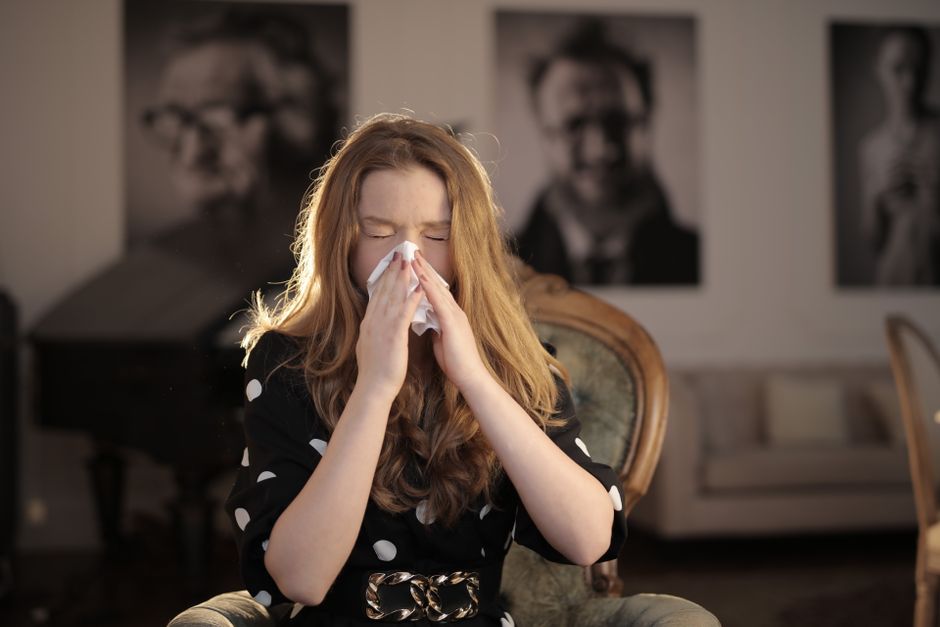
A sneeze is your body’s way of forcefully clearing irritants from your nasal passages. When something stimulates the nerve endings inside your nose, your brain triggers a reflex that sends a burst of air out through your mouth and nose. That reflex can fire for many reasons — allergens, cold air, bright light, or even a full stomach. Understanding what causes sneeze attacks means looking at both the reflex itself and the many triggers that set it off.
What Causes Sneeze Attacks From Allergies To Reflexes?
The sneeze reflex begins when irritants contact the lining of your nose. Specialized nerve endings called trigeminal nerve endings detect the disturbance and send a signal to the sneeze center in your brainstem. The brain then coordinates a rapid sequence: a deep breath in, closure of the throat, and a sudden forceful expulsion of air.
Allergies are one of the most common triggers. When you breathe in pollen, dust mites, or pet dander, your immune system identifies these substances as threats. It releases histamine and other chemicals that irritate nasal tissue. That irritation activates the same trigeminal nerve pathway, and the sneeze reflex fires — often repeatedly.
But allergies are not the only cause. The sneeze reflex can be triggered by non-allergic irritants like strong perfumes, smoke, or pollution. It can also be set off by physical stimuli such as cold air or a sudden change in temperature. Some people sneeze when they step into bright sunlight. Others sneeze after eating a large meal. These are all reflex-driven, not immune-driven.
The key difference is what starts the chain. With allergies, the immune system is involved. With other triggers, it is purely a nerve reflex. Both pathways end at the same place — a sneeze.
How Does the Sneeze Reflex Actually Work?
The sneeze reflex is a coordinated response involving multiple parts of your nervous system. It starts in the nasal lining, where sensory nerve endings detect irritation. These nerve endings are branches of the trigeminal nerve, which carries sensation from your face to your brain.
Once the signal reaches the sneeze center in the brainstem, a sequence of events unfolds:
- Your eyes close involuntarily.
- You take a deep breath.
- Your throat muscles tighten to build pressure.
- Your chest muscles contract forcefully.
- Air and irritants are expelled through your nose and mouth.
This entire process happens in a fraction of a second. You cannot stop a sneeze once it has started — the reflex is too fast for conscious control. Trying to hold it in by pinching your nose or closing your mouth can force air and pressure into your ears or throat, which in rare cases can cause injury. It is generally better to let the sneeze happen.
The speed and force of a sneeze vary from person to person. Some people sneeze once; others sneeze in bursts of two, three, or more. The number of sneezes depends on how much irritation remains in the nasal passages after the first sneeze.
Why Do Allergies Cause So Many Sneezes in a Row?
Allergic sneezing often comes in clusters. That is because the allergen is still present in your nose after the first sneeze. Histamine continues to irritate the nasal lining, and the reflex fires again. This can repeat until the allergen is cleared or your body stops responding.
Histamine is the main chemical behind allergic sneezing. It causes blood vessels in your nose to swell and triggers mucus production. This is why allergies often come with a runny nose, itchy eyes, and nasal congestion alongside sneezing.
Common allergic triggers include:
- Pollen from trees, grasses, and weeds
- Dust mites
- Pet dander
- Mold spores
- Cockroach droppings
If you sneeze in bursts every time you encounter one of these, allergies are likely the cause. The pattern matters — allergic sneezing tends to happen in specific situations, like being outdoors during pollen season or visiting a home with a cat.





What Non-Allergic Triggers Cause Sneezing?
Many sneezes have nothing to do with allergies. These are called non-allergic or reflex sneezes. The trigeminal nerve can be activated by a wide range of stimuli that do not involve the immune system.
Bright light is one of the most well-known non-allergic triggers. Some people sneeze when they move from a dark room into sunlight. This is called the photic sneeze reflex. It is estimated to affect a significant portion of people, though estimates vary. The exact mechanism is not fully understood, but researchers believe it involves cross-talk between the optic nerve and the trigeminal nerve near the brainstem.
Cold air is another common trigger. Breathing in cold, dry air can irritate the nasal lining and set off a sneeze. This is why some people sneeze when they step outside on a winter day.
Strong smells like perfume, bleach, or pepper can also trigger sneezes. These substances irritate the nasal nerve endings directly, without involving the immune system.
Eating can cause sneezing in some people. This is called gustatory rhinitis. It happens when the act of eating — especially spicy or large meals — stimulates nerve endings in the nose. The reflex is triggered by the vagus nerve, which connects the digestive tract to the brain.
Physical stimulation of the nose, such as plucking nose hairs or rubbing the inside of the nose, can also trigger a sneeze.
Is Sneezing Ever a Sign of Something More Serious?
Most sneezing is harmless. It is a normal reflex and usually not a sign of anything dangerous. However, there are situations where sneezing may warrant attention.
If sneezing is accompanied by other symptoms — such as fever, facial pain, thick green or yellow nasal discharge, or loss of smell — it may indicate an infection or another condition. Chronic sneezing that lasts for weeks or months without a clear trigger could be a sign of non-allergic rhinitis or another underlying issue.
In rare cases, sneezing can be a symptom of a neurological condition. Some people experience sneezing fits related to seizures, though this is uncommon. If sneezing is uncontrollable, happens alongside other neurological symptoms, or significantly disrupts your daily life, it is reasonable to speak with a doctor.
There is also a condition called snatiation — sneezing triggered by a full stomach. It is a genetic trait and generally harmless. The name combines “sneeze” and “satiation.”
For the vast majority of people, sneezing is simply a reflex. It is not a sign of a weakened immune system or an underlying disease.
How Can You Reduce Sneeze Attacks?
If allergies are behind your sneezing, reducing exposure to triggers is the first step. This might mean keeping windows closed during high pollen days, using air purifiers, or washing bedding regularly to reduce dust mites.
Over-the-counter antihistamines can help with allergic sneezing. They work by blocking histamine, the chemical that triggers the allergic response. Some people also use nasal corticosteroid sprays, which reduce inflammation in the nasal passages over time. These are not immediate fixes — they work best when used consistently.
For non-allergic sneezing, there is no single treatment. Avoiding triggers like cold air or strong smells can help. In some cases, a doctor may recommend nasal sprays or other medications to reduce nerve sensitivity.
It is worth noting that no treatment works for everyone. What helps one person may not help another. If sneezing is interfering with your life, a doctor or allergist can help identify the cause and suggest options.
One non-obvious insight: sneezing is not a sign that your body is “detoxing.” It is a mechanical reflex to clear irritants. The idea that sneezing removes toxins is not supported by evidence.
Frequently Asked Questions
What is the main cause of sneeze attacks?
The main cause is irritation of the nasal lining, which activates the trigeminal nerve and triggers the sneeze reflex. Allergies are a common trigger, but cold air, bright light, and strong smells can also cause sneezing.
Why do I sneeze multiple times in a row?
Sneezing in bursts happens when the irritant is still present in your nose after the first sneeze. The reflex fires again until the irritant is cleared or your body stops responding.
Can sneezing be a sign of a serious condition?
In most cases, sneezing is harmless and not a sign of anything serious. However, if it comes with fever, facial pain, or lasts for weeks without a clear cause, it is worth talking to a doctor.
How do I stop sneezing from allergies?
Reducing exposure to allergens and using antihistamines or nasal corticosteroid sprays can help. These treatments work differently for different people, so a doctor can help find what works for you.
