
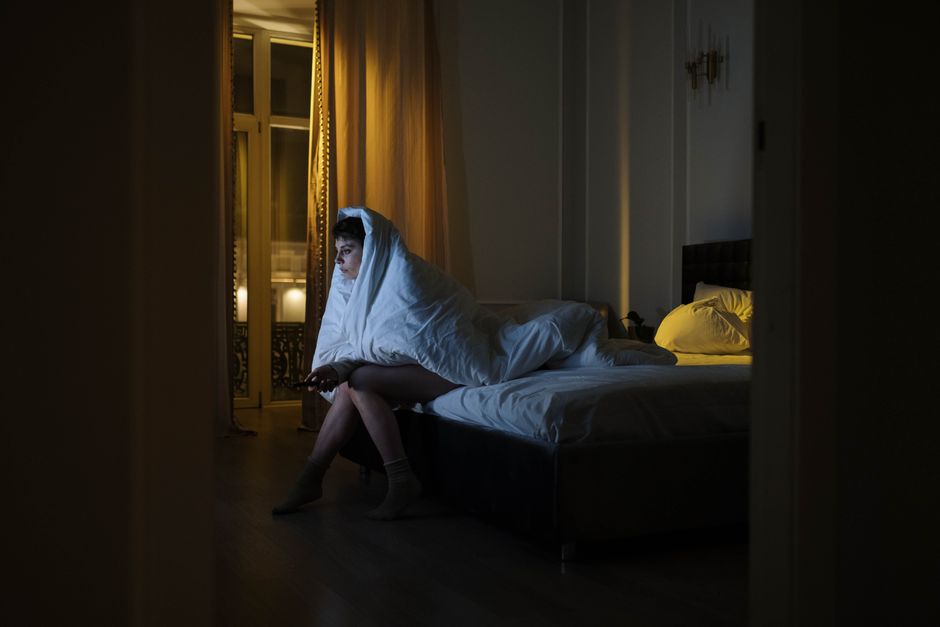
A sleepless night often starts long before your head hits the pillow. The root cause is frequently a mix of stress hormones, daily habits, and your body’s natural clock working against each other.
When stress rises, your body releases cortisol and adrenaline. These hormones keep you alert and ready for action. That response is useful in a crisis, but it is the exact opposite of what your brain needs to fall asleep. Add in late-night screens, caffeine, or an irregular schedule, and you have a clear recipe for lying awake at 2 a.m. The good news is that understanding these triggers is the first step to fixing them.
How Do Stress Hormones Actually Keep You Awake?
Cortisol is your primary stress hormone. It follows a daily rhythm. Levels naturally peak in the morning to help you wake up and gradually fall through the day, reaching their lowest point in the early night. When you are under chronic stress, that curve flattens. Cortisol stays elevated into the evening, and your brain never gets the signal that it is safe to sleep.
Adrenaline works faster. It spikes during acute stress — a fight with a partner, a deadline, or even an intense workout too close to bedtime. Adrenaline increases your heart rate and blood pressure. It is physically impossible to drift off when your cardiovascular system is running at full speed.
There is also norepinephrine, a chemical that promotes alertness and attention. Under stress, your brain produces more of it. Research consistently shows that elevated norepinephrine levels are linked to fragmented sleep and more nighttime awakenings. You may fall asleep initially, but you will not stay asleep.
Stress hormones do not just affect how quickly you fall asleep. They affect sleep quality. High cortisol is associated with less deep sleep and more light sleep. You wake up feeling unrefreshed even if you spent eight hours in bed.
What Causes Sleepless Nights Stress Hormones More: The Full Picture
Stress hormones are a major piece, but they are rarely the only piece. Sleepless nights usually come from an interaction between stress and other factors that push your nervous system toward alertness.
Caffeine is a common culprit. Caffeine blocks adenosine, a chemical that builds up during the day and makes you feel sleepy. Its half-life is about five to six hours. That means a 3 p.m. coffee still has half its caffeine in your system at 9 p.m. For sensitive individuals, even morning coffee can affect nighttime sleep quality.
Alcohol is another sleep disruptor. It may help you fall asleep faster, but it fragments the second half of the night. Alcohol suppresses REM sleep and increases nighttime awakenings. It also relaxes the airway, which can worsen snoring and sleep apnea.
Screen light matters more than most people think. The blue light from phones and laptops suppresses melatonin, the hormone that regulates your sleep-wake cycle. Melatonin production normally rises in the evening as light fades. Bright screens delay that rise, shifting your internal clock later.
Irregular schedules confuse your circadian rhythm. Going to bed at 10 p.m. on weekdays and 2 a.m. on weekends creates a social jetlag. Your body does not know when to release melatonin or cortisol. This makes falling asleep on Sunday night especially difficult.
Anxiety and rumination keep the stress response active. When you lie down in a quiet room, your brain has nothing to distract it. Worries about work, health, or family fill the space. This mental activity triggers the same stress hormones as a real threat. The bed becomes associated with alertness rather than rest.
Physical discomfort also plays a role. A room that is too warm can fragment sleep. Your core body temperature needs to drop slightly to initiate and maintain sleep. The ideal bedroom temperature is generally considered to be around 65 degrees Fahrenheit, though individual preferences vary.
What Is the Link Between Chronic Stress and Insomnia?
Chronic stress and insomnia form a vicious cycle. Stress makes sleep difficult. Poor sleep makes stress harder to manage. The relationship is bidirectional, meaning each condition worsens the other.
Over time, this cycle can lead to hyperarousal. That is a state where your nervous system remains on high alert even when you are exhausted. Your heart rate stays slightly elevated. Your brain stays vigilant. You may feel tired all day but wired at night.
This is why sleep problems can persist even after the original stressor resolves. The brain has learned to associate the bed with wakefulness. This is called conditioned insomnia. The very act of trying hard to sleep can trigger anxiety about not sleeping, which releases more cortisol, which makes sleep even harder.
Insomnia is not just a nuisance. It is a clinical condition. It is defined as difficulty falling asleep, staying asleep, or waking too early, occurring at least three nights per week for at least three months, despite adequate opportunity for sleep. It must also cause daytime impairment like fatigue, mood changes, or difficulty concentrating.
If this sounds like you, you are not alone. Studies indicate that roughly one in three adults experiences insomnia symptoms, and about 10 percent meet the criteria for chronic insomnia.





What Actually Works to Lower Stress Hormones Before Bed?
The most effective approach targets both the stress response and the behaviors that amplify it. No single technique works for everyone, but several have solid evidence behind them.
Cognitive behavioral therapy for insomnia (CBT-I) is the first-line treatment recommended by most clinical guidelines. It is not a drug. It is a structured program that changes the thoughts and behaviors that perpetuate insomnia. Components include stimulus control, sleep restriction, and cognitive restructuring. Research consistently shows CBT-I is effective for chronic insomnia, with benefits that last longer than sleep medications.
Stimulus control is a core part of CBT-I. The rule is simple: use the bed only for sleep and sex. If you cannot fall asleep within about 20 minutes, get out of bed. Go to another room and do something quiet until you feel sleepy, then return. This breaks the association between bed and wakefulness.
Relaxation techniques can lower stress hormones in the moment. Progressive muscle relaxation involves tensing and relaxing muscle groups from your feet to your head. Deep breathing exercises activate the parasympathetic nervous system, which counteracts the stress response. These techniques do not cure insomnia, but they can reduce the arousal level that keeps you awake.
Regular exercise helps. Moderate aerobic exercise has been shown to improve sleep quality and reduce the time it takes to fall asleep. It also lowers baseline cortisol levels over time. However, intense exercise within two hours of bedtime can raise core temperature and heart rate, making sleep harder for some people.
Light exposure matters. Getting bright light in the morning helps anchor your circadian rhythm. Dimming lights in the evening signals your brain to start producing melatonin. This is a simple biological cue that works with your body rather than against it.
When Should You See a Doctor About Sleepless Nights?
Occasional sleepless nights are normal. Everyone has them. But if poor sleep lasts more than a few weeks and affects your daytime functioning, it is worth a medical evaluation.
See a doctor if you have loud snoring, gasping, or pauses in breathing during sleep. These can be signs of sleep apnea, a condition where the airway repeatedly collapses during the night. Sleep apnea is serious. It is linked to high blood pressure, heart disease, and stroke. It requires proper diagnosis and treatment, usually with a CPAP machine or other airway device.
Also seek help if you experience persistent daytime sleepiness, mood changes, or difficulty concentrating. These are signs that poor sleep is taking a real toll. A doctor can rule out underlying conditions like thyroid disorders, depression, or restless legs syndrome.
Do not rely on over-the-counter sleep aids for more than a few nights. Antihistamine-based sleep aids can cause daytime drowsiness and tolerance. Melatonin supplements can help with jet lag or shift work, but the evidence for general insomnia is modest. Some research suggests low doses are more effective than high doses, and timing matters. Taking melatonin at the wrong time can shift your clock in the wrong direction.
Prescription sleep medications exist, but they are not a long-term solution for most people. They carry risks of dependence, tolerance, and daytime impairment. They are most appropriate for short-term use or specific situations, usually under a doctor’s guidance.
What Are the First Steps You Can Take Tonight?
Start with the basics. Set a consistent wake time every day, even on weekends. This anchors your circadian rhythm more effectively than a consistent bedtime.
Create a wind-down routine that lasts 30 to 60 minutes. This signals your brain that the day is over. Dim the lights. Put away screens. Do something calm like reading a physical book, gentle stretching, or taking a warm bath. The warm bath works because the subsequent drop in body temperature promotes sleepiness.
Keep your bedroom dark, cool, and quiet. Use blackout curtains if needed. Consider earplugs or a white noise machine if noise is an issue. Your bedroom should be associated with rest, not work or entertainment.
Limit caffeine after mid-afternoon. If you are sensitive, consider cutting it entirely for a few weeks to see if your sleep improves. Limit alcohol in the evening, especially in the hours before bed.
If you are lying awake for more than 20 minutes, get up. Do not lie there and watch the clock. Clock-watching fuels anxiety and keeps cortisol elevated. Go to another room, read something boring, and return to bed only when you feel sleepy.
If stress is a constant factor, consider talking to a therapist. Cognitive behavioral therapy for insomnia is available online and in person. It has the strongest evidence for long-term improvement and does not carry the risks of medication.
Frequently Asked Questions
Can stress hormones alone cause chronic insomnia?
Yes, chronically elevated stress hormones can cause insomnia, but they usually interact with other factors like irregular schedules, caffeine, and anxiety. Treating the stress response alone often is not enough if these other contributors remain.
How long does it take for cortisol levels to drop after stress ends?
Acute cortisol spikes can drop within an hour or two once the stressor is gone. Chronic stress keeps cortisol elevated for weeks or months, and restoring a normal daily rhythm can take several weeks of consistent sleep habits.
Does melatonin lower cortisol at night?
Melatonin does not directly lower cortisol, but it helps regulate the sleep-wake cycle, which allows cortisol to follow its natural nighttime dip. Melatonin supplements can help with timing, but they are not a treatment for high stress levels.
What is the fastest way to fall asleep when stressed?
Slow, deep breathing is the fastest way to activate the parasympathetic nervous system. Inhale for four counts, hold for four, and exhale for six. This calms the stress response more quickly than trying to force your mind to stop thinking.
