
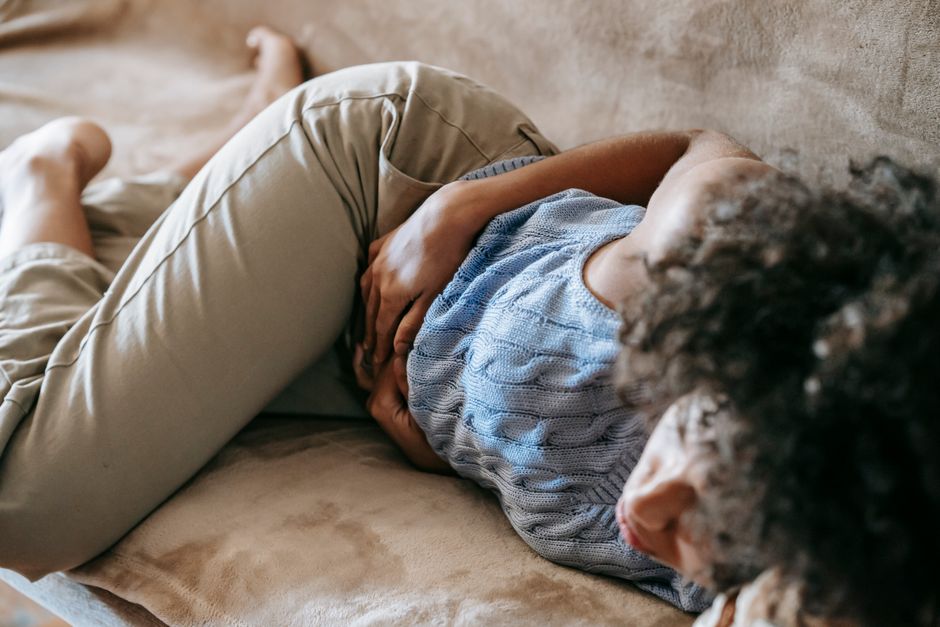
Side pain when sitting is often caused by pressure on soft tissues, muscle strain from poor posture, or irritation of the ribs and surrounding nerves. For most people, the pain comes from sitting in a way that compresses one side of the body more than the other. This can pinch nerves, strain muscles, or put stress on the joints between your ribs and spine.
What Exactly Is Happening in Your Body When Side Pain Strikes While Sitting?
When you sit, your body weight rests on your pelvis and lower spine. If you lean to one side, even a little, that side takes more weight. The muscles between your ribs, called intercostal muscles, can get compressed. These muscles help you breathe and twist your torso. When they get squeezed for too long, they can spasm or ache.
Your ribs also connect to your spine at small joints. These joints can get irritated if you sit twisted or hunched. This is a common cause of side pain that people mistake for something internal like a kidney or lung problem. The pain is usually sharp when you move or breathe deeply, and it fades when you stand up and stretch.
Another hidden cause is the iliocostalis muscle, which runs along the side of your spine. This muscle helps keep you upright. When you sit for long periods without good back support, this muscle works harder on one side. Over time, it can tighten up and cause a dull ache on that side.
What Does Research Say About Side Pain from Sitting?
Research published in the Journal of Physical Therapy Science found that people who sit for more than six hours a day have higher rates of muscle imbalances in the trunk. These imbalances often show up as pain on one side of the body. The study noted that the quadratus lumborum muscle, which connects your lowest rib to your pelvis, is especially prone to tightness from prolonged sitting.
The American Chiropractic Association reports that poor sitting posture is a leading cause of musculoskeletal pain, including side pain. They point out that slouching or leaning to one side for even 20 minutes can start a chain reaction of muscle strain and joint irritation. The evidence is consistent across multiple studies: the way you sit matters more than how long you sit.
Some research also suggests that sacroiliac joint dysfunction can refer pain to the side of the lower back and hip. This joint connects your sacrum to your pelvis. When it gets stiff or inflamed from sitting, the pain can travel to the side of your body. This is not a common cause, but it is real and often missed in basic assessments.
What Are the Most Common Causes of Side Pain When Sitting?
| Cause | What It Feels Like | What Usually Helps |
|---|---|---|
| Intercostal muscle strain | Sharp pain with deep breathing or twisting | Gentle stretching, heat, posture correction |
| Costovertebral joint irritation | Localized ache near spine, worse with sitting | Standing breaks, back support, anti-inflammatory medication |
| Quadratus lumborum tightness | Dull ache above the hip, one side only | Side stretches, foam rolling, ergonomic chair |
| Piriformis or gluteal strain | Pain deep in buttock that wraps to the side | Stretching, sitting on a cushion, walking breaks |
| Rib subluxation | Sudden sharp pain that feels like a rib is “out” | Chiropractic adjustment, avoiding twisting motions |
This table covers the most common causes. Each one has a different feel and a different solution. If your pain matches one of these patterns, you likely have a musculoskeletal cause rather than something internal.





When Should You Worry That Side Pain Is Something More Serious?
Most side pain from sitting is mechanical and harmless. But there are signs that point to a deeper issue. If the pain is constant, does not change when you shift position, or wakes you up at night, it could be coming from an organ rather than a muscle or joint.
Kidney stones cause pain that wraps from the back to the side and front. The pain comes in waves and can be severe. It does not get better by standing up or changing chairs. Gallbladder attacks cause pain on the right side under the ribs, often after eating fatty foods. This pain can radiate to the right shoulder blade.
If you have fever, nausea, vomiting, or blood in your urine, see a doctor. These symptoms do not come from sitting posture. The CDC recommends seeking medical attention for any abdominal or side pain that is severe, lasts more than a few hours, or comes with other symptoms like fever or unexplained weight loss.
Some people worry about pancreatitis or pleurisy. Pancreatitis pain is deep in the upper abdomen and often radiates to the back. Pleurisy causes sharp pain with breathing and usually comes with a cough or fever. Both are rare compared to muscle strain, but they are serious and require medical diagnosis.
What Actually Works to Prevent Side Pain When Sitting?
Changing your sitting position is the single most effective step. Sit with both feet flat on the floor. Keep your hips level. Do not lean to one side. If you naturally lean to your dominant hand side, that is a common habit. Catch yourself and reset every 15 minutes.
Use a chair with lower back support. A rolled towel or small lumbar cushion works just as well as an expensive ergonomic chair. The key is keeping your spine in a neutral position, not slouched or twisted. The Occupational Safety and Health Administration (OSHA) recommends adjusting your chair so your knees are at a 90-degree angle and your thighs are parallel to the floor.
- Stand up every 30 minutes for at least one minute
- Do a side stretch by reaching one arm overhead and leaning away from the painful side
- Use a standing desk for part of your day if possible
- Sit on a cushion that distributes weight evenly, like a gel seat pad
- Avoid sitting on soft couches or low chairs that make you slouch
Stretching the quadratus lumborum and intercostal muscles can prevent tightness from building up. A simple side bend while standing, holding for 20 seconds on each side, is enough. Do this every hour if you sit for long periods.
What Should You Avoid Doing for Side Pain When Sitting?
Do not ignore the pain and keep sitting in the same position. This makes the muscle tightness worse and can turn a minor ache into a chronic problem. Do not twist your torso forcefully to “pop” your back or ribs. This can cause a rib subluxation or a muscle tear.
Do not apply deep pressure directly on the painful spot with a foam roller or massage tool if the pain is sharp. You might bruise the intercostal muscles or irritate the rib joints. Gentle heat or light pressure is safer until you know the cause.
Avoid sitting on hard surfaces without padding for long periods. A wooden chair or bench compresses the soft tissues on your sitting bones and can refer pain to the side. A simple cushion can make a big difference.
Do not assume the pain is from your kidneys or lungs unless you have other symptoms. This causes unnecessary worry and delays the simple fix. If the pain changes with posture, it is almost certainly musculoskeletal.
What Causes Side Pain When Sitting? The Simple Answer
The most direct answer is that your body is telling you it is being held in a position it does not like. The tissues on one side are compressed, the muscles are working too hard to keep you upright, or the joints between your ribs and spine are getting irritated. The fix is almost always about changing how you sit and how often you move.
Side pain when sitting is rarely a sign of something dangerous. It is a sign that your sitting habits need attention. Small changes in your chair, your posture, and your movement breaks can resolve the pain within days for most people. If the pain persists beyond two weeks despite these changes, see a healthcare provider to rule out less common causes.
Frequently Asked Questions
Can side pain when sitting be caused by a kidney problem?
Yes, but kidney pain is usually constant and does not change when you shift position or stand up. It often comes with fever, nausea, or blood in the urine.
Is side pain when sitting always from a muscle?
No, it can also come from rib joint irritation, a pinched nerve, or referred pain from the pelvis. But muscle strain is the most common cause.
How long should I wait before seeing a doctor for side pain when sitting?
If the pain lasts more than two weeks despite changing your sitting habits, see a doctor. See one sooner if the pain is severe or comes with fever, vomiting, or unexplained weight loss.
Does a standing desk help with side pain when sitting?
Yes, for many people. Standing takes pressure off the compressed side and allows your muscles to relax. Alternate between sitting and standing every 30 to 60 minutes.
