
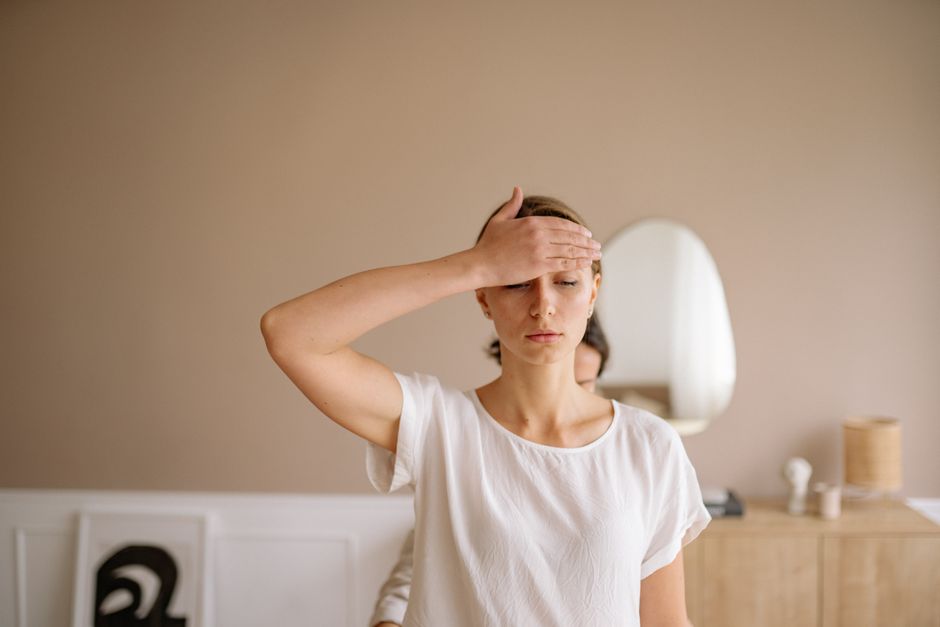
Severe body aches and muscle pain happen when the tissue inside your muscles becomes inflamed, injured, or starved of normal energy and oxygen. The most common triggers are infections, especially viral ones like influenza and COVID-19, along with intense or unfamiliar physical exertion, certain medications, and autoimmune conditions. In each case, the pain is a signal from muscle tissue itself, not simply a feeling in your brain.
What Causes Severe Body Aches And Muscle Pain?
Muscle pain that spreads across your whole body usually points to something systemic — a problem affecting your entire system rather than one spot. Doctors call this myalgia.
When you have an infection, your immune system releases signaling molecules called cytokines. These chemicals help fight the invader, but they also make your muscles and joints more sensitive to pain. That is why you can feel like you have been hit by a truck even though you have not moved much.
Other causes work differently. Strenuous exercise causes tiny tears in muscle fibers, which is a normal part of building strength. The soreness that follows is called delayed onset muscle soreness, and it usually peaks a day or two after the activity.
Some cases come from medication side effects, poor blood flow, or low levels of certain hormones and minerals. A smaller number come from autoimmune diseases or, rarely, a serious muscle-destroying condition that needs emergency care.
Why Does Illness Make Your Whole Body Hurt?
When you get sick, your body floods your bloodstream with inflammatory chemicals. This is a deliberate response, not a malfunction. It helps you fight infection, but it comes with a cost.
These chemicals sensitize nerve endings throughout your muscles and connective tissue. They also raise your body temperature, which can add to the aching feeling. A fever and body aches often travel together for exactly this reason.
The pain you feel is real tissue signaling, not imagination. Studies have found that inflammatory cytokines can directly activate pain pathways. This is why body aches are a recognized symptom of many infections, including influenza, COVID-19, and other viral illnesses.
One detail that surprises people: the severity of your aches does not reliably tell you how serious the infection is. A mild virus can cause intense soreness, while a more dangerous one might cause less. Symptoms vary from person to person.
Is It Normal to Have Severe Muscle Pain After Exercise?
Soreness after a hard or new workout is normal. Pain that stops you from moving your arms or legs normally is not.
Delayed onset muscle soreness typically appears 12 to 24 hours after exercise, peaks around 24 to 72 hours, and fades within a few days. It is usually a dull, aching, tender feeling in the muscles you worked hardest.
Several things separate ordinary soreness from something more concerning:
- Normal soreness eases with gentle movement and rest. Serious injury usually gets worse.
- Normal soreness does not make your urine dark. Dark, cola-colored urine after intense exercise is a warning sign.
- Normal soreness does not cause severe weakness or swelling. Those need medical attention.
A rare but dangerous condition called rhabdomyolysis can follow extreme exertion, especially in hot conditions or when someone is not used to the activity. In this condition, muscle fibers break down and release contents into the blood that can harm the kidneys. If you have severe pain, weakness, and dark urine after intense exercise, seek medical care right away. This is not a wait-and-see situation.





What Conditions Cause Widespread Muscle Pain?
Beyond infections and exercise, several conditions can cause pain that spreads across the body. These tend to last longer and follow a different pattern than a passing flu.
Fibromyalgia causes widespread musculoskeletal pain along with fatigue, sleep problems, and tender points. The pain is real, though imaging and blood tests often come back normal. Diagnosis is based on symptoms and ruling out other causes.
Autoimmune conditions such as lupus and polymyositis cause the immune system to attack the body’s own tissues, including muscle. These often come with weakness, not just pain.
Hypothyroidism — an underactive thyroid — can cause muscle aches, stiffness, and cramping. So can low levels of vitamin D or certain electrolytes, though the evidence for some of these links is stronger than for others.
Medications are an underrecognized cause. Statins, used to lower cholesterol, can cause muscle pain in some people. This is a known side effect, though the frequency and severity vary widely. Anyone with new muscle pain on a medication should talk to their prescriber rather than stopping it on their own.
How Do You Tell Mild Aches From Something Serious?
Most body aches from a cold or a workout improve on their own within days. The challenge is knowing when to get help.
Seek medical care if you notice any of the following:
- Pain that is severe, sudden, or getting worse instead of better
- Muscle weakness that makes it hard to walk, lift, or grip
- Dark or cola-colored urine
- Significant swelling, redness, or heat in a muscle
- A high fever that will not come down, or a stiff neck
- Pain that follows a tick bite or comes with a spreading rash
These signs can point to conditions that need prompt treatment. Rhabdomyolysis, serious infections, and some inflammatory diseases can all look like ordinary aches at first. When in doubt, a clinician can sort out what is going on.
What Helps Relieve Body Aches and Muscle Pain?
For common causes like viral illness or exercise soreness, rest and time do most of the work. The goal is to manage discomfort while your body recovers.
General measures that are widely used and reasonable include:
- Rest, but gentle movement as tolerated — complete bed rest is not always best
- Staying hydrated, since dehydration can worsen muscle discomfort
- Over-the-counter pain relievers such as acetaminophen or ibuprofen, used as directed on the label
- Warm baths or heat for muscle tightness
It is worth being honest about the limits here. These measures ease symptoms, but they do not shorten the underlying illness or speed muscle repair in any proven way. They help you feel better while your body does its own work.
If your pain is from a specific condition like fibromyalgia or hypothyroidism, the treatment is different and should come from a clinician. There is no single remedy that addresses all causes, because the causes are not the same.
When Should You See a Doctor?
See a doctor if your muscle pain lasts more than a few days without improving, keeps coming back, or comes with weakness, fever, or other symptoms that concern you.
You should also get checked if the pain started after a new medication, if you have unexplained weight loss, or if the soreness is far out of proportion to anything you did physically. These patterns can point to causes that need a proper diagnosis.
There is no single test for body aches. A clinician will usually ask about your symptoms, recent activity, and medications, then decide whether blood tests or other evaluation makes sense. Many cases need no testing at all.
Frequently Asked Questions
What causes severe body aches and muscle pain?
The most common causes are viral infections, intense or new exercise, certain medications, and autoimmune or hormonal conditions. In each case, inflammation or tissue stress triggers pain signals in the muscles.
How long do body aches from a virus last?
Body aches from a typical viral illness usually ease as the infection clears, often within several days to about a week. Aches that persist well beyond that or keep getting worse should be checked by a doctor.
When is muscle pain an emergency?
Severe pain with muscle weakness, dark or cola-colored urine, or major swelling can signal a serious condition like rhabdomyolysis and needs urgent care. A high fever with a stiff neck is also a reason to seek help right away.
Can certain medications cause body aches?
Yes. Statins and some other medications are known to cause muscle pain in some people. Talk to your prescriber before stopping any medication on your own.
