
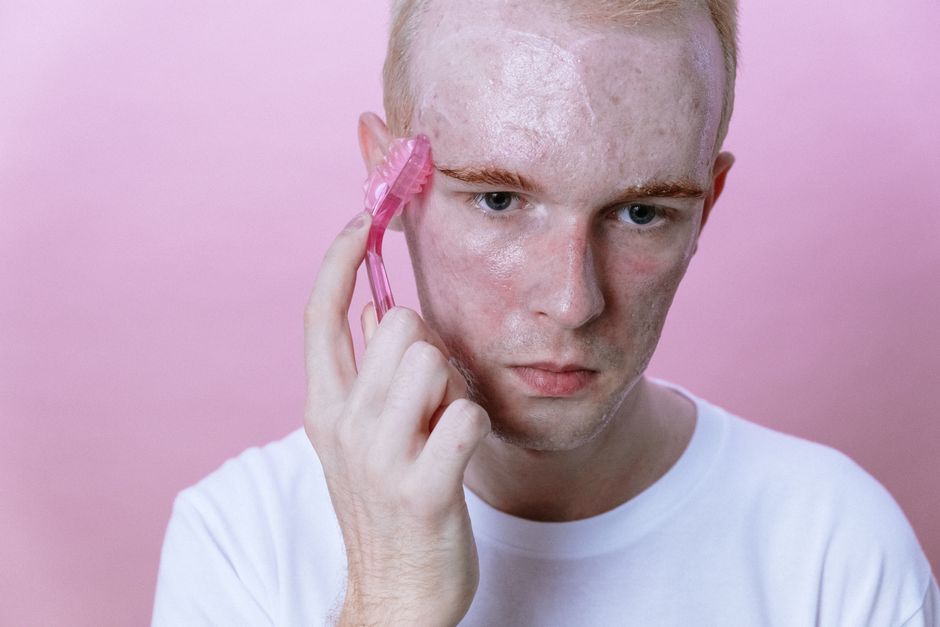
Severe acne is not one single problem. It is a chain reaction inside your skin that starts with hormones, feeds on bacteria, and ends with deep, inflamed breakouts. The short answer is that hormones trigger excess oil, that oil clogs pores, and a specific bacteria called C. acnes turns the clog into an inflamed, painful lesion. Genetics and inflammation decide how severe that reaction becomes.
What Causes Severe Acne Hormones Bacteria More
Severe acne happens when several forces work together. Hormones are the trigger. Bacteria are the amplifier. Inflammation is the destroyer.
Androgens, which are male sex hormones present in everyone, signal your sebaceous glands to produce more oil. During puberty, during menstrual cycles, and during times of stress, androgen levels shift. When oil production spikes, your skin cannot shed dead cells fast enough. The oil and dead skin mix and plug the pore.
That plug alone causes blackheads and whiteheads. It becomes severe acne when Cutibacterium acnes, a bacteria that normally lives on everyone’s skin, multiplies inside the blocked pore. The bacteria feed on the trapped oil. As they grow, they release substances that trigger your immune system. Your body sends white blood cells to fight them. That fight is what turns a clogged pore into a red, swollen, painful cyst or nodule.
Severe acne is not caused by dirty skin. It is not caused by chocolate or greasy food. It is an internal process driven by hormones, genetics, and your immune response.
Why Do Hormones Cause Some People to Get Severe Acne and Not Others?
Everyone has hormones. Everyone has C. acnes bacteria on their skin. But not everyone gets severe acne. The difference is in how your skin responds.
Some people have sebaceous glands that are highly sensitive to normal levels of androgens. Their glands overproduce oil even when their hormone levels are completely normal. This sensitivity is largely genetic. If your parents had severe acne, your chances of having it are significantly higher.
Some researchers believe this is why acne runs in families. It is not that you inherit acne itself. You inherit oil glands that overreact to hormones, skin cells that shed too slowly, or an immune system that responds aggressively to bacteria.
Hormonal conditions can also drive severe acne. Polycystic ovary syndrome (PCOS) causes elevated androgen levels in women, which often leads to persistent, treatment-resistant acne. A sudden onset of severe acne in an adult can sometimes signal an underlying hormonal issue that deserves medical evaluation.
How Does C. Acnes Bacteria Turn a Clogged Pore Into Severe Acne?
The bacteria Cutibacterium acnes lives in your pores from puberty onward. It is not an infection you catch. It is part of your normal skin flora.
Problems start when the pore becomes blocked. Trapped sebum creates the perfect environment for the bacteria to multiply rapidly. As their numbers grow, they produce enzymes that break down the sebum into fatty acids. These fatty acids are irritating to the pore lining.
The bacteria also activate your immune system directly. Your skin cells detect the bacterial overgrowth and release inflammatory signals. White blood cells migrate to the area. Pus forms. The pore wall can rupture, spilling the contents into the surrounding skin. This is what creates the deep, painful nodules and cysts that define severe acne.
Not all strains of C. acnes are equal. Research suggests that certain strains are more likely to cause inflammation than others. Some people carry mostly harmless strains. Others carry strains that aggressively trigger the immune system. This may help explain why two people with similar oil production can have very different acne severity.





Are There Other Causes of Severe Acne?
Hormones and bacteria are the main drivers, but other factors can push mild acne into the severe range.
Genetics play a major role. Studies of twins show that acne severity is strongly inherited. If both parents had severe acne, your risk is substantially elevated.
Medications can trigger severe breakouts. Lithium, corticosteroids, and some seizure medications are known to cause acne-like eruptions. Anabolic steroids, sometimes used illegally for muscle building, frequently cause severe nodular acne.
Physical pressure matters more than people realize. Helmets, headbands, chin straps, and tight collars can trap heat and friction against the skin. This is called acne mechanica. It does not cause acne on its own, but it can worsen existing breakouts significantly.
Stress does not cause acne, but it can worsen it. Stress raises cortisol levels. Cortisol increases oil production. Studies have found that students experience more acne flare-ups during exam periods than during low-stress times.
Diet is a more complicated story. Some research suggests that high-glycemic foods and dairy may worsen acne in certain people. The evidence is not strong enough to say these foods cause acne. If you notice a pattern between certain foods and your breakouts, it is reasonable to test eliminating them. But do not expect dietary changes alone to resolve severe acne.
When Should Severe Acne Be Treated by a Dermatologist?
Severe acne is a medical condition, not a cosmetic nuisance. If you have deep nodules, cysts, or widespread inflamed breakouts, you should see a dermatologist.
Over-the-counter products containing benzoyl peroxide or salicylic acid are effective for mild acne. They are rarely enough for severe forms. Severe acne can cause permanent scarring. Early intervention by a dermatologist reduces that risk.
Dermatologists have several treatment options for severe acne. Prescription topical medications like tretinoin help normalize skin cell shedding. Oral antibiotics reduce bacterial counts and inflammation. For women, hormonal therapies like spironolactone or certain birth control pills can reduce androgen effects on oil glands.
For the most severe cases, isotretinoin remains the most effective treatment available. It is a derivative of vitamin A that shrinks oil glands, reduces bacteria, and normalizes skin cell turnover. It requires close medical monitoring due to potential side effects, including severe birth defects if taken during pregnancy. Despite the risks, it produces long-term remission in the majority of people who complete a full course.
No clinical guideline recommends waiting to see if severe acne resolves on its own. It rarely does. Without treatment, severe acne can persist for years and cause lasting physical and emotional damage.
Can Severe Acne Be Prevented?
Not entirely. If you are genetically predisposed to severe acne, you cannot prevent it by washing your face or changing your diet.
What you can do is start treatment early. Acne that is treated in its early stages is less likely to progress to severe forms. If you notice deep, painful breakouts developing, seek medical advice sooner rather than later.
Gentle skin care helps. Wash your face twice a day with a mild cleanser. Avoid scrubbing, which irritates the skin and worsens inflammation. Use non-comedogenic moisturizers and sunscreens, meaning products formulated not to block pores.
Do not pick or squeeze lesions. Picking pushes bacteria deeper into the skin and increases the risk of scarring. It can turn a moderate breakout into a severe one.
There is no evidence that special face washes, blue light devices, or herbal supplements prevent severe acne. Some of these products have modest effects on mild acne. None have been shown to stop the progression to severe disease.
Frequently Asked Questions
Is severe acne caused by poor hygiene?
No. Severe acne is caused by hormones, bacteria, genetics, and inflammation inside the skin. Washing more frequently does not prevent or cure it and can actually irritate the skin further.
Can severe acne be cured permanently?
Isotretinoin produces long-term remission in most people who complete a full course, but no treatment guarantees acne will never return. Many people manage their acne successfully with ongoing dermatologic care.
Does diet cause severe acne?
Diet is not a primary cause of severe acne. Some studies suggest high-glycemic foods and dairy may worsen breakouts in certain individuals, but no food has been proven to cause severe acne on its own.
When should I see a doctor for severe acne?
See a dermatologist if you have deep, painful nodules or cysts, if over-the-counter treatments have not helped after several weeks, or if you are concerned about scarring. Early treatment reduces the risk of permanent skin damage.
