
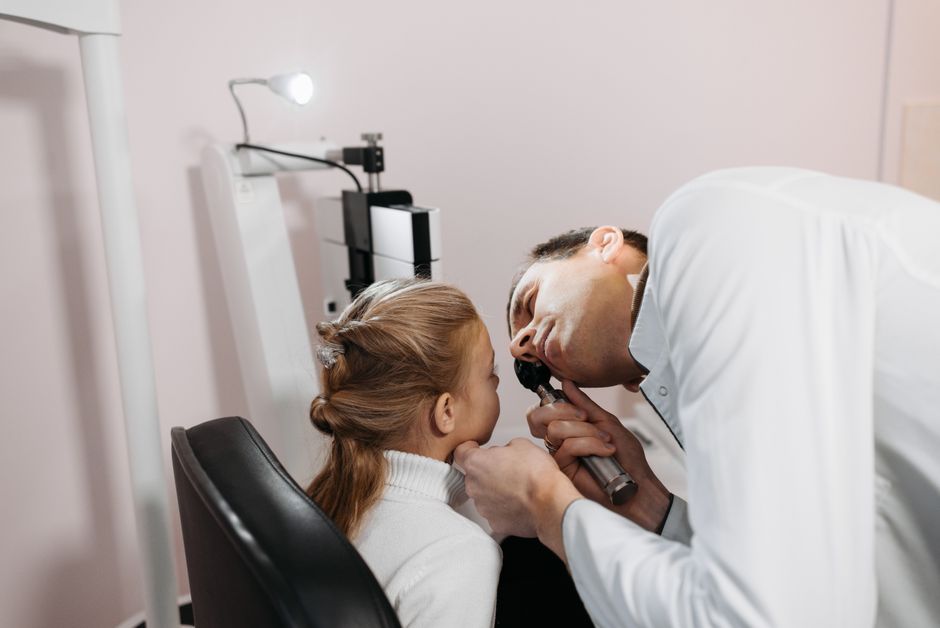
Red eyes happen when blood vessels on the surface of the eye widen and become more visible. This is called conjunctival hyperemia, and it can be triggered by something as minor as a late night or as serious as an eye infection. Most cases clear up on their own within a day or two, but redness with pain, vision changes, or light sensitivity needs a doctor’s attention.
What Causes Red Eyes And When To See A Doctor
The short answer is that almost anything irritating the eye’s surface can make it red. The blood vessels in the conjunctiva — the clear membrane covering the white of the eye — dilate in response to irritation, infection, allergens, or dryness.
Here is a simple way to think about it. Redness itself is a symptom, not a condition. What matters is what is driving it.
Common causes include:
- Dry eye, when tear production or quality is not enough to keep the surface lubricated
- Allergies, which release histamine and cause both redness and itching
- Viral conjunctivitis, often called pink eye, which is highly contagious
- Bacterial conjunctivitis, which typically produces thicker discharge
- Extended screen time, which reduces blink rate and dries the surface
- Contact lens wear, especially when lenses are worn too long or not cleaned properly
- Environmental irritants like smoke, chlorine, or dust
- Subconjunctival hemorrhage, a broken blood vessel that looks alarming but is usually harmless
Less common but more serious causes include uveitis (inflammation inside the eye), acute angle-closure glaucoma, and corneal ulcers or abrasions. These are the situations where waiting can cause lasting damage.
When Is Red Eye a Medical Emergency?
Certain combinations of symptoms mean you should seek care immediately — not tomorrow, not after the weekend.
Go to an emergency room or call your eye doctor right away if you have:
- Sudden eye pain, especially severe pain
- Vision loss or blurred vision that does not clear when you blink
- Extreme sensitivity to light
- A feeling that something is stuck in your eye that will not come out
- Nausea or vomiting along with eye pain and redness
- Redness after a chemical splash or foreign object entering the eye
- Redness with a pupil that looks different from the other eye
The combination of severe pain, redness, and nausea is a red flag for acute angle-closure glaucoma, which is a medical emergency. It happens when fluid pressure inside the eye rises quickly. Permanent vision loss can occur within hours if it is not treated.
A subconjunctival hemorrhage looks dramatic — a bright red patch on the white of the eye — but it is usually painless and resolves on its own within one to two weeks. It can happen from coughing, sneezing, straining, or minor trauma. If it happens repeatedly or comes with easy bruising elsewhere, that is worth mentioning to a doctor.
What Does the Type of Redness Tell You?
Where the redness sits and what comes with it can point toward different causes.
Diffuse redness across the whole white of the eye is typical of conjunctivitis, allergies, or dry eye. Redness concentrated around the cornea — the clear front surface — may suggest something deeper, like uveitis or a corneal problem. A single bright red patch is usually a broken vessel.
Discharge matters too. Watery discharge leans toward viral or allergic causes. Thick, yellow-green discharge suggests bacteria. Itching without pain strongly suggests allergy. Burning with dryness suggests dry eye.
One clarification worth making: not all red eyes are contagious. Allergies, dry eye, and subconjunctival hemorrhage are not spread from person to person. Viral and bacterial conjunctivitis can be.




Is Red Eye From Screen Time Different From Other Causes?
Yes, and the mechanism is straightforward. When you stare at a screen, your blink rate drops. Blinking spreads tears across the eye and clears irritants. Fewer blinks means the surface dries out, and dry surfaces become red and irritated.
This is sometimes called digital eye strain or computer vision syndrome. It is not a disease. It is a response to how the eye is being used.
What helps:
- Follow the 20-20-20 rule: every 20 minutes, look at something 20 feet away for 20 seconds
- Use lubricating eye drops if your eyes feel dry
- Position your screen slightly below eye level so your eyelids cover more of the eye
- Check that your glasses or contacts prescription is current
If redness and discomfort persist despite these steps, an eye exam can rule out underlying dry eye disease or other conditions.
How Do You Treat Red Eyes at Home?
Most mild redness improves with simple steps. The key is matching the approach to the cause.
For dryness, preservative-free artificial tears are the standard first step. They add moisture and rinse away irritants. Using them more than four times a day, though, means you should switch to preservative-free versions, since preservatives can irritate eyes with frequent use.
For allergies, oral antihistamines or antihistamine eye drops can reduce redness and itching. Some clinicians recommend refrigerating the drops for extra soothing effect.
For viral conjunctivitis, there is no specific treatment. It typically resolves on its own within one to two weeks. Cold compresses and artificial tears help with comfort. Because it is contagious, wash hands often and do not share towels or pillowcases.
For bacterial conjunctivitis, antibiotic eye drops may be prescribed. Some cases resolve without antibiotics, and whether to treat is a decision your doctor makes based on severity and other factors.
A caution about redness-reducing drops. Products containing tetrahydrozoline or naphazoline constrict blood vessels and can make eyes look white quickly. Used regularly, they can cause rebound redness — the vessels widen again when the drops wear off, sometimes worse than before. These drops are fine for occasional use but are not a treatment for an underlying problem.
What About Contact Lens Wearers?
Red eyes in contact lens wearers deserve extra attention. The lens sits directly on the eye and can trap bacteria, reduce oxygen flow, and cause abrasions.
Remove your lenses and see a doctor if you have redness with pain, light sensitivity, or blurred vision. These can signal a corneal infection, which is a serious condition that can lead to vision loss if not treated promptly.
Never sleep in lenses unless your eye doctor has specifically approved lenses designed for overnight wear. Never use tap water to clean or store lenses. Follow replacement schedules exactly.
When Should You See a Doctor for Red Eyes?
See a doctor if redness lasts more than a few days, if it keeps coming back, or if it comes with pain, vision changes, or discharge that is thick or colored.
See a doctor the same day if you have severe pain, sudden vision loss, or redness after an injury or chemical exposure.
For mild redness without other symptoms, a day or two of home care is reasonable. If it is not improving, that is your signal to get it checked.
The bottom line: red eyes are common and usually not serious. But the eye is not a place to guess. When in doubt, get it looked at.
Frequently Asked Questions
How long do red eyes usually last?
Most mild cases clear within one to two days with rest and artificial tears. Viral conjunctivitis can take one to two weeks to fully resolve.
Can red eyes be a sign of high blood pressure?
High blood pressure does not typically cause visible redness in the eye. It can damage blood vessels in the retina over time, but that damage is not usually visible without an eye exam.
Are redness-reducing eye drops safe to use every day?
No. Drops containing tetrahydrozoline or naphazoline can cause rebound redness with regular use. They are meant for occasional relief, not daily use.
When should I worry about a red eye?
Worry when redness comes with pain, vision changes, light sensitivity, or thick discharge. Those symptoms need prompt medical evaluation.
