
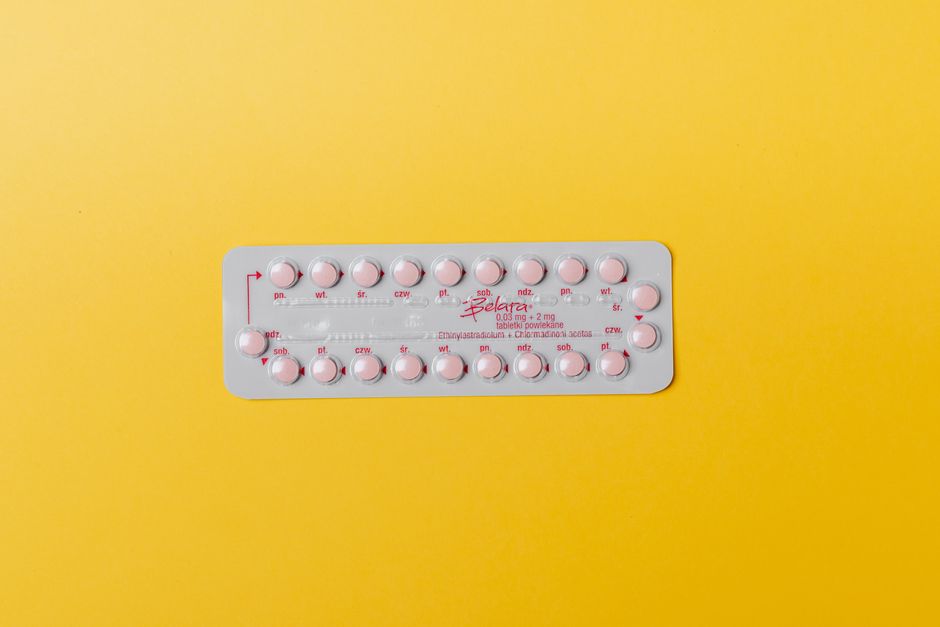
Progesterone is the hormone that prepares and maintains the uterine lining for pregnancy, and too little of it is a well-known cause of early pregnancy loss. But can too much progesterone cause miscarriage? The short answer is no. There is no established evidence that high levels of progesterone itself cause miscarriage. The confusion usually comes from mixing up two different things: the hormone your body makes naturally, and the synthetic forms used in fertility treatment.
That distinction matters. A miscarriage is almost never caused by having too much of a pregnancy hormone. It is caused by problems with the pregnancy itself, most often chromosomal abnormalities in the developing embryo.
What Does Progesterone Actually Do in Early Pregnancy?
Progesterone is essential to sustaining a pregnancy in its earliest weeks. After ovulation, the empty follicle left behind in the ovary becomes a structure called the corpus luteum, which produces progesterone. This hormone thickens the uterine lining and keeps it stable so a fertilized egg can implant and grow.
If pregnancy occurs, the corpus luteum continues producing progesterone until the placenta takes over that job, usually somewhere between weeks 8 and 12. From that point on, the placenta becomes the main source of progesterone for the rest of the pregnancy.
Progesterone helps keep the uterus quiet, meaning it reduces contractions that could otherwise expel an early pregnancy. It also supports the blood vessels feeding the uterine lining. This is why low progesterone is treated as a possible contributor to early miscarriage, and why some clinicians prescribe progesterone supplements in certain situations.
So the hormone is doing a job that supports pregnancy. Having more of it does not flip that job into something harmful.
Can Too Much Progesterone Cause Miscarriage?
No. There is no established evidence that naturally high progesterone causes miscarriage. During a healthy pregnancy, progesterone levels rise steadily and can reach very high concentrations, especially in the third trimester, without harming the pregnancy.
Your body is built to handle high progesterone during pregnancy. Levels that would look extreme outside of pregnancy are normal and expected while pregnant. The placenta produces large amounts of it, and the body uses it continuously.
Miscarriage is common in early pregnancy, and it is usually caused by factors unrelated to hormone levels. The most frequent cause is chromosomal abnormalities in the embryo, which happen by chance and are not caused by anything the mother did or did not do. Other causes include infections, uterine problems, and certain maternal health conditions.
This is where a lot of anxiety comes from. When a miscarriage happens, people look for a reason. Progesterone is a visible, measurable hormone, so it becomes an easy target for blame. But the presence of a hormone at the time of a miscarriage does not mean the hormone caused it.
Why Do People Think High Progesterone Is a Problem?
The idea that too much progesterone could be harmful usually traces back to confusion about synthetic progestins and fertility treatment, not natural progesterone.
Some medications used in fertility care are progestins, which are synthetic compounds that act on progesterone receptors. These are not the same molecule as the progesterone your body makes. Some have different effects and different side effect profiles. Confusing the two can lead to the mistaken belief that “progesterone” in general is risky at high doses.
There is also a real clinical concern in a specific situation: progesterone given too early in a treatment cycle, before the uterine lining is ready, may interfere with implantation. This is a timing issue in assisted reproduction, not a case of a naturally high progesterone level causing miscarriage in an established pregnancy.
Another source of confusion is that progesterone supplements are sometimes prescribed to prevent miscarriage, so people assume the reverse must also be true. That logic does not hold. A treatment helping in one situation does not mean the opposite extreme causes the problem.





Can Progesterone Supplements Cause a Miscarriage?
Progesterone supplements are generally used to support a pregnancy, not harm it, but the evidence for their benefit is not universal. They appear to help in specific situations and not in others.
Research has found that progesterone supplementation can reduce the risk of miscarriage in some women who have experienced recurrent miscarriages or who have bleeding in early pregnancy. In other groups, the evidence does not show a clear benefit. This is why clinical guidance recommends progesterone for particular cases rather than for everyone.
Taking progesterone when it is not indicated has not been shown to cause miscarriage, but it also has not been shown to help. Unnecessary medication carries its own considerations, including side effects like drowsiness, dizziness, and mood changes.
If you have been prescribed progesterone, the decision was likely based on your specific history. If you are considering it on your own, that is a conversation to have with a clinician who knows your situation.
What about high-dose progesterone in fertility treatment?
In assisted reproduction, progesterone is often given at higher doses to support the luteal phase, the second half of the cycle after ovulation. These doses are used to mimic and support what the body would normally do. They are not associated with causing miscarriage when used appropriately and timed correctly.
What Actually Causes Most Miscarriages?
Most miscarriages in the first trimester are caused by chromosomal abnormalities in the embryo. These are errors that happen randomly when the egg and sperm combine, or during early cell division. They are not caused by the mother’s hormones, activity, stress, or diet.
Other causes include:
- Infections that affect the pregnancy
- Problems with the shape or structure of the uterus
- Certain chronic conditions in the mother, such as uncontrolled diabetes or thyroid disease
- Blood clotting disorders
- Advanced maternal age, which raises the chance of chromosomal errors
Notice that “too much progesterone” is not on this list. It is not a recognized cause of miscarriage in the medical literature.
It is also worth knowing that miscarriage is very common. Roughly one in five known pregnancies ends in miscarriage, and the true number is likely higher because many happen before a person knows they are pregnant. Most of these losses are not preventable and are not anyone’s fault.
How Are Progesterone Levels Checked in Pregnancy?
Progesterone can be measured with a blood test, but it is not routinely used to monitor a normal pregnancy. Levels rise over the course of pregnancy, and a single number is hard to interpret on its own.
In early pregnancy, clinicians sometimes check progesterone along with other hormones, like hCG, when there is concern about a possible miscarriage or an ectopic pregnancy. Even then, the results are read alongside symptoms and ultrasound findings, not in isolation.
There is no standard “too high” cutoff for progesterone in pregnancy, because high levels are expected and normal. The concern in clinical practice is almost always about levels being too low, not too high.
Should You Worry About Your Progesterone Level?
A high progesterone level on a lab report is not a reason to worry about miscarriage. If anything, rising progesterone is a sign that the pregnancy is progressing.
What matters more is the overall picture: how the pregnancy is developing on ultrasound, whether there is bleeding or cramping, and your personal history. A single hormone value rarely tells the whole story.
If you are concerned about your progesterone or about a history of miscarriage, talk with your clinician. They can explain what your results mean in your specific situation and whether any treatment is appropriate.
The bottom line is simple. Too much progesterone does not cause miscarriage. Miscarriage has real causes, and progesterone levels are not one of them.
Frequently Asked Questions
Can high progesterone cause a miscarriage?
No. There is no established evidence that naturally high progesterone causes miscarriage, and high levels are normal and expected during pregnancy. Miscarriage is most often caused by chromosomal abnormalities in the embryo.
Can progesterone supplements cause miscarriage?
Progesterone supplements have not been shown to cause miscarriage when used appropriately. In some women, such as those with recurrent miscarriage or early bleeding, they may reduce the risk, though the benefit is not seen in every group.
What progesterone level is too high in pregnancy?
There is no standard “too high” cutoff, because progesterone rises steadily and reaches very high levels in a normal pregnancy. Clinical concern is almost always about levels being too low, not too high.
What is the most common cause of miscarriage?
Chromosomal abnormalities in the developing embryo are the most common cause of first-trimester miscarriage. These happen by chance and are not caused by the mother’s hormone levels or daily activities.
