
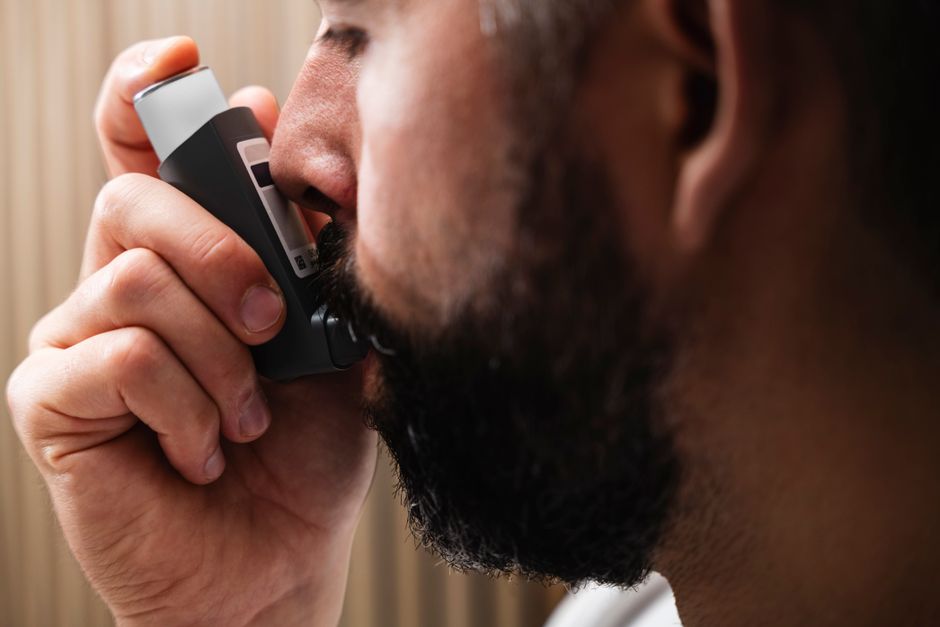
Pulmonary fibrosis is a lung disease in which normal, spongy lung tissue is gradually replaced by stiff scar tissue. That scarring thickens the walls of the air sacs, so the lungs become less able to move oxygen into the blood. It is not one single disease — it is the final result of many different injuries and conditions, and in a large share of cases the exact trigger is never found.
What Causes Pulmonary Fibrosis Lung Scarring Explained
Scarring happens when the lungs’ normal repair process goes wrong. After any injury, the body sends out signals that tell cells to rebuild damaged tissue. In pulmonary fibrosis, that repair signal does not switch off. Cells called fibroblasts keep laying down collagen and other connective tissue long after the injury should have healed.
Over time this excess tissue replaces the thin, elastic walls of the alveoli — the tiny air sacs where gas exchange happens. The walls get thick and stiff. Oxygen has a harder time crossing into the bloodstream, and the lungs lose their ability to expand and recoil. This is why people with the condition often feel short of breath, especially during activity.
The key point is that fibrosis is a process, not a single event. Something starts the injury, and then a self-perpetuating cycle keeps it going. What starts it varies widely from person to person.
What Is Idiopathic Pulmonary Fibrosis?
Idiopathic pulmonary fibrosis (IPF) is the most common and most serious form of the disease. The word “idiopathic” means the cause is unknown. In IPF, no trigger can be identified through testing or history.
IPF is not simply unexplained scarring from aging. It has a recognizable pattern on imaging and under the microscope, and it tends to behave in a predictable way. It usually affects adults over 60 and is more common in men than women. The scarring typically appears first in the lower parts of the lungs and near the edges.
Research points to abnormal behavior of the cells lining the alveoli. Instead of repairing normally, these cells appear to be injured repeatedly and to drive an ongoing scarring response. Genetics play a role in some cases — certain gene variants involved in lung cell function and repair are more common in people with IPF. Smoking is the strongest established risk factor.
What Are the Known Causes of Pulmonary Fibrosis?
When a cause can be identified, it usually falls into one of several categories. Identifying the cause matters because some forms can be treated differently or even stopped from getting worse.
- Occupational and environmental exposures. Long-term inhalation of asbestos, silica, coal dust, and some metal dusts can scar the lungs. So can certain mold and organic dusts, which can cause a condition called hypersensitivity pneumonitis.
- Medications. Some drugs used to treat cancer, abnormal heart rhythms, and inflammatory conditions can damage lung tissue. This is uncommon but well documented.
- Radiation therapy. Radiation to the chest can cause scarring in the treated area, sometimes months to years later.
- Autoimmune and connective tissue diseases. Conditions such as rheumatoid arthritis, scleroderma, and Sjögren’s syndrome can involve the lungs and lead to fibrosis.
- Infections. Severe or repeated lung infections can leave scar tissue, though this is different from progressive IPF.
- Sarcoidosis. This inflammatory disease can cause scarring in the lungs in some people.
An important distinction: not all lung scarring is progressive. A scar left behind by a past infection may stay stable for life. Progressive fibrosis, by contrast, keeps worsening over time. Doctors use imaging, breathing tests, and sometimes lung biopsy to tell these apart.




How Does Lung Scarring Affect Breathing?
Healthy lungs are built for gas exchange. Each alveolus is wrapped in a thin layer of capillaries, and the barrier between air and blood is extremely thin — thin enough for oxygen to pass through in a fraction of a second. Scar tissue thickens that barrier.
Two things happen as a result. First, oxygen transfer becomes less efficient, so blood oxygen levels can drop, especially during exercise. Second, the lungs become stiff, which means the muscles of breathing have to work harder to expand them. This combination — poor oxygen transfer plus stiff lungs — explains the classic symptoms.
Early on, people may only notice breathlessness with exertion. As scarring progresses, shortness of breath can appear at rest. A persistent dry cough is common. Some people develop clubbing of the fingertips, where the nail beds become rounded and enlarged. The course varies widely: some people stay stable for years, while others decline more quickly.
What Makes Pulmonary Fibrosis Get Worse Over Time?
Once fibrosis is established, several factors can drive further progression. Ongoing exposure to the original trigger — continued smoking, or continued contact with a workplace dust — is one. Uncontrolled autoimmune disease activity is another.
There is also evidence that the scarring process itself becomes self-sustaining. Injured lung cells release signals that recruit more scar-forming cells, which in turn damage more tissue. This cycle helps explain why IPF can progress even when no external trigger is present.
Certain events can cause sudden worsening. Acute exacerbations are episodes of rapid decline with no clear cause, and they are serious. Respiratory infections, which are more dangerous in scarred lungs, can also trigger decline. This is why vaccination against common respiratory infections is generally recommended for people with chronic lung disease, though the specific schedule should come from a clinician.
Is Pulmonary Fibrosis Always Progressive?
No. This is one of the most misunderstood points about lung scarring. Fibrosis and progressive fibrosis are not the same thing.
Many people have stable scars on imaging that never cause meaningful problems. A scar from an old infection, for example, may sit unchanged for decades. What defines a progressive disease like IPF is not the presence of scar tissue alone but the pattern, the extent, and the trajectory over time.
Doctors assess progression using breathing tests that measure lung volumes and gas transfer, along with imaging and symptom history. A single scan often cannot tell the whole story. What matters is whether function is declining and how fast.
Can Lung Scarring Be Reversed or Prevented?
Established scar tissue generally cannot be reversed. The goal of treatment is to slow progression, manage symptoms, and preserve quality of life. Two medications — pirfenidone and nintedanib — have been shown in clinical trials to slow the decline in lung function in IPF and some other progressive fibrotic lung diseases. They do not cure the disease or remove existing scar.
When a specific cause is found, removing it can matter. Stopping an offending medication, avoiding further exposure to a workplace dust, or treating an underlying autoimmune disease may slow or halt progression in those situations. This is why a careful search for a cause is worth doing even when it takes time.
For eligible patients, lung transplantation remains the only intervention that replaces scarred lungs with healthy ones. It is a major surgery with significant risks and is not appropriate for everyone.
Prevention, where it applies, is about avoiding known exposures. Not smoking, or quitting, reduces risk. Using appropriate protective equipment in workplaces with dust and fumes lowers exposure. These steps are sensible, though they cannot guarantee that fibrosis will not develop, since many cases have no identifiable external cause.
Frequently Asked Questions
What is the main cause of pulmonary fibrosis?
In many cases, no cause can be identified, and the disease is called idiopathic pulmonary fibrosis. When a cause is found, common ones include occupational dust exposure, certain medications, radiation therapy, and autoimmune diseases.
Can lung scarring from pulmonary fibrosis go away?
Established scar tissue does not typically reverse. Treatment aims to slow further scarring and manage symptoms rather than remove existing scar.
Is pulmonary fibrosis the same as lung cancer?
No, they are different diseases, though people with pulmonary fibrosis have a higher risk of developing lung cancer than the general population. The two conditions are managed differently and require different treatments.
Does smoking cause pulmonary fibrosis?
Smoking is the strongest established risk factor for idiopathic pulmonary fibrosis, though many people who develop it have never smoked. Quitting lowers risk but does not eliminate it.
