
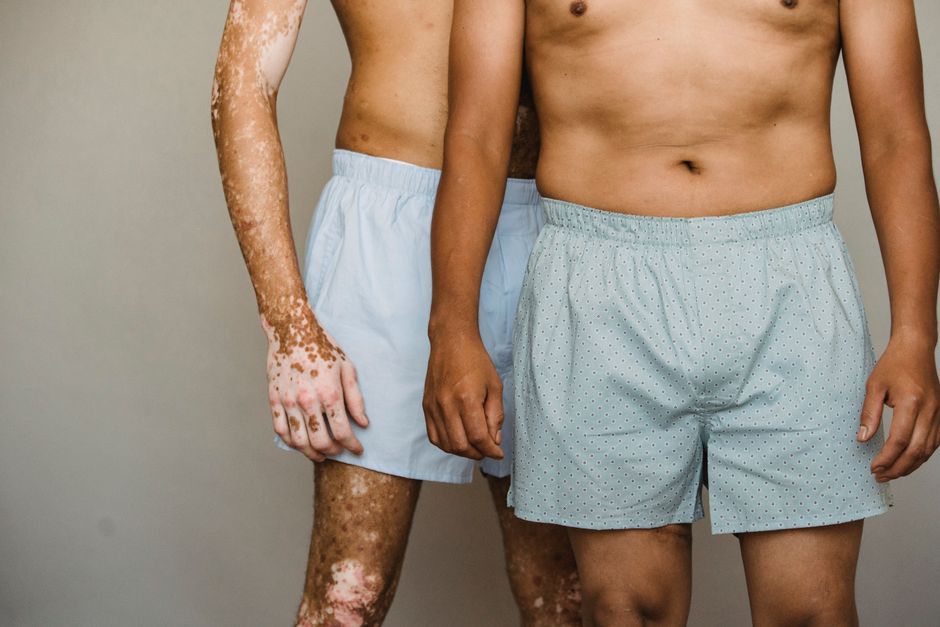
Psoriasis is a chronic immune-mediated condition in which the body’s immune system mistakenly attacks healthy skin cells, causing them to multiply far faster than normal. This rapid turnover creates the thick, scaly patches that are the hallmark of the disease. Flares happen when something disrupts the immune system’s already unstable balance — and those disruptions fall into a handful of well-documented categories.
What Causes Psoriasis To Flare Up Key Triggers?
Psoriasis flares are driven by an overactive immune response, and that response can be set off by several distinct triggers. The most consistently documented ones are infections (especially strep throat), physical skin trauma, psychological stress, certain medications, cold and dry weather, smoking, and alcohol consumption. In many cases, more than one trigger is at work at the same time.
What makes psoriasis unusual is the Koebner phenomenon — the tendency for new lesions to appear at the site of skin injury. A cut, a burn, a scrape, a tattoo, or even a bad sunburn can trigger a new patch of psoriasis in someone who is genetically predisposed. This is not a coincidence or a rare event; it is a recognized clinical feature that dermatologists look for.
No single trigger explains every flare. Two people with psoriasis can have completely different patterns, and the same person can respond to different triggers at different times in life.
How Does The Immune System Drive A Psoriasis Flare?
Psoriasis is fundamentally an autoimmune and autoinflammatory condition. In people who develop it, T cells — a type of white blood cell — become activated and migrate to the skin, where they release signaling proteins called cytokines. These cytokines, particularly TNF-alpha and several interleukins, tell skin cells to divide at an accelerated rate.
Normal skin cells mature and shed over roughly a month. In psoriasis, that cycle compresses to a matter of days. The result is a buildup of immature skin cells on the surface, which forms the raised, red, scaly plaques characteristic of the disease.
This is why treatments that target specific cytokines — rather than just the skin surface — can produce dramatic clearing. The problem is not the skin itself. The skin is the visible endpoint of an immune process that starts deeper in the body.
Genetics matter here too. Psoriasis runs in families, and researchers have identified multiple genetic variants associated with the condition. But genetics alone do not cause psoriasis. Something has to activate the immune system — and that something is what we call a trigger.
Which Infections Commonly Trigger Psoriasis Flares?
Streptococcal infections, especially strep throat, are among the best-established infectious triggers. This link is strongest in guttate psoriasis, a form that appears as small, drop-like lesions, often in younger people, and frequently follows a strep infection by one to three weeks.
Other infections can also provoke flares. Upper respiratory infections, skin infections, and even HIV can worsen psoriasis in some people. The mechanism is thought to involve immune activation that spills over into the skin.
If you notice a sudden widespread flare after being sick, that pattern is worth mentioning to a doctor. It may change how the flare is managed.




How Do Stress And Emotional Factors Affect Psoriasis?
Psychological stress is one of the most commonly reported psoriasis triggers by patients themselves. Research consistently shows an association between stressful life events and worsening psoriasis symptoms, though the exact mechanism is still being studied.
What is clear is that stress affects the immune system. It can increase levels of cortisol and other stress hormones, alter inflammatory signaling, and disrupt sleep — all of which can influence how psoriasis behaves.
There is also a feedback loop at work. Psoriasis itself is stressful. Visible skin lesions can affect self-esteem, social life, and mental health. That stress can then worsen the condition, creating a cycle that is difficult to break without addressing both sides.
Stress management does not cure psoriasis. But for some people, it appears to reduce flare frequency and severity as part of a broader treatment approach.
Can Medications Cause Psoriasis To Flare?
Several classes of medication are well-documented triggers for psoriasis flares or can cause drug-induced psoriasis-like eruptions. These include:
- Beta-blockers — commonly prescribed for high blood pressure and heart conditions
- Lithium — used for bipolar disorder and other psychiatric conditions
- Antimalarial drugs — such as hydroxychloroquine and chloroquine
- NSAIDs — including ibuprofen and naproxen, in some people
- Systemic corticosteroids — especially when stopped abruptly after long-term use
- TNF inhibitors — biologic drugs used to treat psoriasis that can paradoxically trigger it in rare cases
The withdrawal of systemic corticosteroids is a particularly well-known trigger. People with psoriasis who take oral steroids for another condition and then stop them can experience a severe rebound flare.
If you have psoriasis and are prescribed any of these medications, it does not mean you will flare. It means the possibility is worth discussing with your prescribing doctor, who can weigh the risks and benefits.
Does Weather And Climate Influence Psoriasis?
Cold, dry weather tends to worsen psoriasis for many people. Low humidity dries out the skin, which can increase itching and scaling and make existing lesions more uncomfortable. Reduced sunlight exposure in winter also means less of the UV light that tends to help psoriasis.
Sunlight, in moderation, often improves psoriasis. This is why phototherapy — controlled exposure to specific wavelengths of ultraviolet light — is a standard treatment. But sunburn is a different story. A burn is skin trauma, and skin trauma can trigger the Koebner response and cause new lesions.
Humidity levels, indoor heating, and even frequent hot showers can dry the skin and contribute to flares. For some people, managing skin moisture is a meaningful part of flare prevention.
How Do Smoking And Alcohol Affect Psoriasis?
Smoking is strongly associated with psoriasis. Research consistently shows that smokers are more likely to develop psoriasis than non-smokers, and among people who already have it, smoking is linked to more severe disease. The mechanism likely involves both immune activation and direct effects on skin cells.
Alcohol consumption is also associated with worsening psoriasis in some studies. Heavy drinking appears to correlate with more severe symptoms, though it is difficult to separate the effect of alcohol from other lifestyle and health factors that often travel with it.
What is clear is that both smoking and excess alcohol use have broad health consequences beyond psoriasis. Reducing or stopping them is generally beneficial regardless of how much they specifically affect any individual’s skin.
Are There Other Triggers Worth Knowing About?
Several additional factors have been reported as psoriasis triggers, though the evidence for each varies in strength:
- Skin injury — cuts, scratches, burns, insect bites, and tattoos can all trigger new lesions through the Koebner phenomenon
- Hormonal changes — some women report flares during puberty, pregnancy, or menopause, though the pattern is not consistent across individuals
- Obesity — excess body weight is associated with more severe psoriasis, and weight loss has been shown to improve symptoms in some studies
- Certain foods — some people report that specific foods worsen their skin; however, no single diet has been proven to trigger or prevent psoriasis in large clinical trials
- Sudden discontinuation of psoriasis treatment — stopping certain treatments abruptly can lead to rebound flares
It is worth noting that the strength of evidence is not equal across this list. The Koebner phenomenon and medication triggers are well-established in clinical literature. Food triggers and hormonal patterns are more variable and less consistently supported.
Can You Identify Your Own Psoriasis Triggers?
Tracking is the most practical way to identify personal triggers. Keeping a simple log of flare timing alongside potential factors — illness, stress levels, medication changes, weather, skin injuries — can reveal patterns over time.
But there is a limit to what self-tracking can tell you. Psoriasis is unpredictable, and flares sometimes happen with no identifiable cause. That is not a failure of observation. It reflects the complexity of the disease.
If you suspect a medication is triggering your flares, do not stop it on your own. Talk to your prescribing doctor first. Abruptly stopping certain medications can cause serious problems unrelated to psoriasis.
Frequently Asked Questions
What is the most common trigger for psoriasis flares?
Stress and infections, particularly strep throat, are among the most commonly reported triggers. However, triggers vary widely between individuals, and what causes a flare in one person may have no effect on another.
Can certain foods cause psoriasis to flare up?
Some people report that specific foods worsen their psoriasis, but no large clinical trials have confirmed a consistent dietary trigger. The evidence for food as a psoriasis trigger is much weaker than for infections, stress, or medications.
Does stress really cause psoriasis flares?
Research consistently shows an association between psychological stress and worsening psoriasis, though the exact mechanism is not fully understood. Stress appears to influence immune and inflammatory pathways that are already dysregulated in psoriasis.
Can stopping a medication cause a psoriasis flare?
Yes. Abruptly stopping systemic corticosteroids is a well-documented trigger for severe rebound flares in people with psoriasis. Never stop a prescribed medication without talking to your doctor first.
