
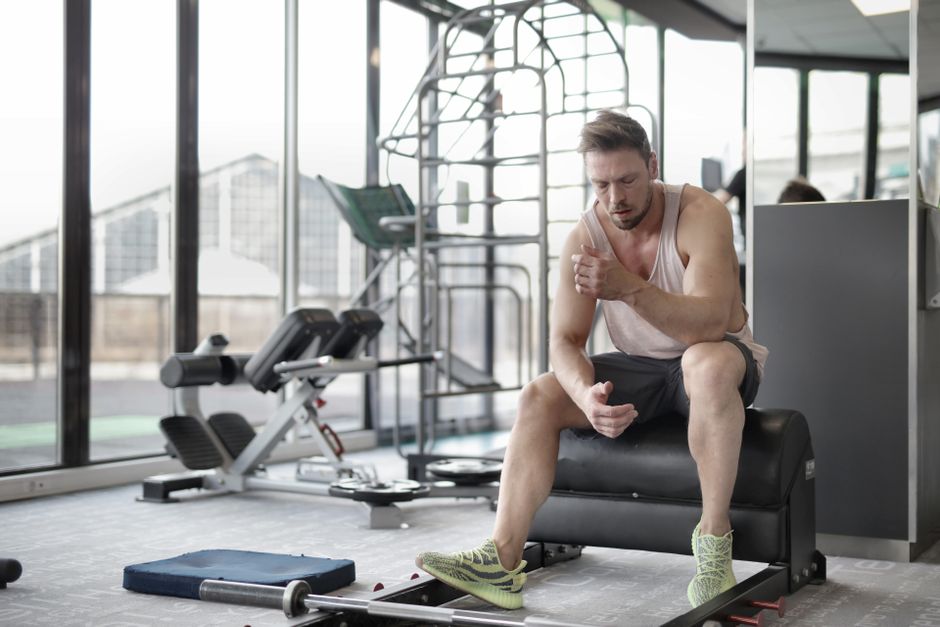
That prickling, crawling feeling across your scalp, face, and arms after a scoop of pre-workout has a name: paresthesia. It comes from beta-alanine, an amino acid included in most pre-workout formulas. Beta-alanine activates specific sensory nerve receptors in your skin, and that activation is what you feel as tingles.
What Causes Pre Workout Tingles Its Beta Alanine?
The tingling is a direct chemical effect on your nervous system. Beta-alanine binds to and activates a receptor called MRGPRD, which sits on sensory neurons in your skin. When that receptor fires, it sends a signal your brain interprets as itching, prickling, or pins and needles.
This is not an allergic reaction. It is not a sign of harm. It is a predictable pharmacological effect of the molecule itself. Researchers sometimes call it paresthesia, the same general term used for tingling from other causes, though the mechanism here is specific to beta-alanine.
Most people feel it within 15 to 20 minutes of taking a dose. It usually fades on its own within 60 to 90 minutes. The intensity tracks with dose size, how fast you swallowed it, and whether you took it on an empty stomach.
Why Does Beta-Alanine Cause Tingling but Other Ingredients Don’t?
Beta-alanine is not the only ingredient in pre-workout, but it is the one most reliably linked to tingling. Caffeine, citrulline, and taurine do not activate the same skin receptors. That is why the sensation is almost always attributed to beta-alanine specifically.
The receptor involved, MRGPRD, belongs to a family of receptors that detect irritants and certain chemical signals. It is found in a subset of sensory neurons that carry itch and prickle signals rather than pain or temperature. Beta-alanine fits this receptor like a key in a lock.
Other compounds can trigger a similar sensation through different routes. Niacin (vitamin B3) causes flushing and tingling by dilating blood vessels. If your pre-workout contains niacin, some of what you feel may come from that instead. But the crawling, itchy quality most people describe is characteristic of beta-alanine.
Does the Tingle Mean the Product Is Working?
No. The tingle is a side effect of beta-alanine, not a sign that it is improving your performance. You can feel nothing and still get the full benefit. You can feel intense tingling and get no benefit at all if the dose is too low or you have not taken it consistently.
Beta-alanine works by raising levels of a compound called carnosine in your muscles. Carnosine helps buffer acid that builds up during hard exercise. That process takes weeks of consistent daily dosing to matter. The tingle happens in minutes. They are unrelated.
This is one of the more misunderstood points in sports nutrition. Feeling the tingle tells you the beta-alanine entered your bloodstream. It says nothing about whether your muscles have adapted.





What Does the Research Actually Show About Beta-Alanine?
Beta-alanine is one of the more studied sports supplements. Research consistently shows it can improve performance in short, high-intensity efforts lasting roughly one to four minutes. Think 400-meter sprints, rowing, or high-rep resistance training.
The evidence is weaker for longer efforts. For events lasting more than several minutes, the benefit shrinks or disappears. For very short bursts under 60 seconds, creatine tends to be the more relevant supplement.
The effective approach in most studies is a daily dose taken consistently over several weeks, not a single large dose before training. Some research suggests that spreading the dose across the day reduces tingling while still raising muscle carnosine. The total daily amount matters more than the timing.
What the research does not show: beta-alanine does not build muscle, burn fat, or boost energy. It is a buffering agent, not a stimulant. Any marketing that frames it otherwise is not supported by the evidence.
Can You Reduce or Prevent the Tingling?
Yes. The most reliable method is to split your dose into smaller amounts taken throughout the day. A large single dose causes more tingling than the same total amount divided into several smaller servings.
Taking beta-alanine with food slows absorption and tends to soften the sensation. So does choosing a sustained-release formula, though these vary in quality and not all are well tested.
If you want to skip the tingling entirely, you can take beta-alanine at a time when it does not bother you, such as with a meal rather than right before a workout. The performance benefit comes from consistent daily intake, not from timing it around exercise.
A note on dosing: clinical studies typically use a daily amount in the range of 3.2 to 6.4 grams, split into smaller servings. Individual tolerance varies. Start at the lower end and see how your body responds before increasing.
Is the Tingling Ever a Sign of Something Serious?
For most people, beta-alanine tingling is harmless and temporary. It is a known effect, not an warning sign. That said, a few situations deserve attention.
- If tingling comes with a rash, swelling, or difficulty breathing, stop and seek medical care. That pattern suggests an allergic reaction, which is different from paresthesia.
- If tingling persists for hours after the product should have cleared, or occurs without taking beta-alanine, talk to a doctor.
- If you have a history of seizures, a bleeding disorder, or take prescription medications, check with your clinician before using beta-alanine.
The tingling from beta-alanine itself is not dangerous. It is uncomfortable for some people and barely noticeable for others. The main practical issue is that it can be distracting during a workout, especially if it hits your face or scalp.
How Does Beta-Alanine Compare to Other Pre-Workout Ingredients?
Different ingredients produce different sensations and serve different purposes. Understanding which is which helps you know what you are actually feeling.
| Ingredient | Common Sensation | Main Role |
|---|---|---|
| Beta-alanine | Tingling, prickling, crawling | Muscle acid buffering over weeks |
| Caffeine | Alertness, jitteriness at high doses | Central nervous system stimulant |
| Citrulline | Usually none | Blood flow and nitric oxide support |
| Niacin | Flushing, warmth, tingling | Vasodilation (not performance) |
Beta-alanine is the ingredient most likely to produce the specific tingling people ask about. If your pre-workout tingles and does not contain beta-alanine, niacin is the next most likely cause.
Should You Avoid Beta-Alanine If You Hate the Tingle?
You do not have to avoid it. You can manage it. Splitting the dose, taking it with food, or choosing a smaller serving size will reduce or eliminate the sensation for most people.
If none of that works and the tingling ruins your workout, beta-alanine may simply not be worth it for you. The performance benefit is real but modest, and it applies mainly to specific types of exercise. It is not essential.
Plenty of effective training happens without any pre-workout at all. If the side effect outweighs the benefit for you, that is a reasonable reason to skip it.
Frequently Asked Questions
How long do beta-alanine tingles last?
Most people feel tingling within 15 to 20 minutes of taking it, and it usually fades within 60 to 90 minutes. The exact duration depends on dose size and whether you took it with food.
Is beta-alanine tingling dangerous?
No, the tingling itself is a harmless and expected side effect, not a sign of harm. Seek medical care only if it comes with a rash, swelling, or trouble breathing.
Does tingling mean beta-alanine is working?
No, the tingle only shows the beta-alanine reached your bloodstream. The performance benefit comes from weeks of consistent daily use raising muscle carnosine, not from the sensation itself.
How do I stop beta-alanine tingling?
Splitting your daily dose into smaller servings throughout the day is the most reliable way to reduce it. Taking it with food also slows absorption and softens the sensation.
