
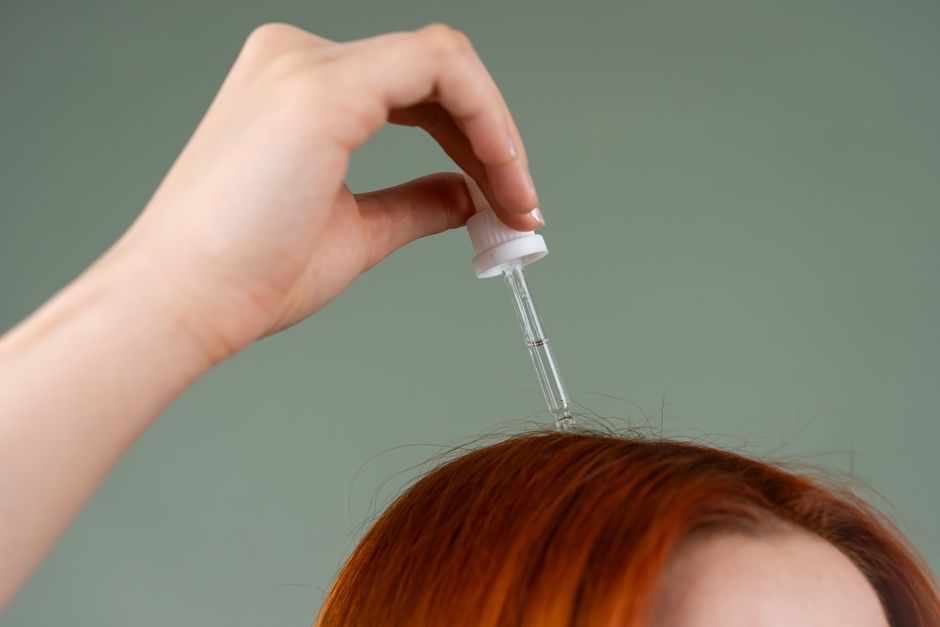
Pimples on the scalp are blocked hair follicles that become inflamed. They form when dead skin cells, oil, and sometimes bacteria get trapped inside a follicle. This is the same basic process that causes pimples on your face, but the scalp has its own unique environment that changes how they look and how they heal.
What Causes Pimples On Scalp?
Scalp pimples start when a hair follicle gets clogged. Your scalp produces sebum, a natural oil that keeps skin and hair moisturized. When sebum mixes with dead skin cells, it can form a plug inside the follicle. If that plug traps bacteria, the follicle becomes inflamed and a pimple forms.
The most common cause is a condition called folliculitis. This is inflammation of the hair follicles. It can be caused by bacteria, most often staphylococcus, which naturally lives on your skin. It can also be caused by yeast, which is a type of fungus that lives on everyone’s scalp.
Sometimes what looks like a pimple is not a pimple at all. It could be a sebaceous cyst, which is a closed sac under the skin filled with oil. It could also be a sign of a skin condition like psoriasis or seborrheic dermatitis, which causes flaking and redness. If you have many bumps that do not go away, it is worth having a doctor look at them.
Why Does My Scalp Break Out Like My Face?
Your scalp and your face share the same type of oil glands. These are called sebaceous glands. They are plentiful on the face, chest, back, and scalp. That is why breakouts happen in these areas more than on your arms or legs.
But the scalp is different in one important way: hair. Hair traps oil and sweat against the skin. This creates a warm, moist environment where bacteria and yeast can multiply. The hair also makes it harder to clean the skin thoroughly. Products like shampoo, conditioner, gel, and hair spray can build up on the scalp and clog follicles just like makeup can clog pores on your face.
Friction also plays a role. Wearing hats, helmets, or headbands for long periods can irritate the follicles. Sweat from exercise mixes with oil and dead skin, and the friction from headgear pushes it deeper into the follicle. This is why athletes who wear helmets often get scalp breakouts.
Is It Acne Or Something Else?
True acne on the scalp is less common than people think. Acne happens when the follicle opening gets blocked by a combination of oil and dead skin cells, and the bacteria Cutibacterium acnes multiplies inside. This can happen on the scalp, but it is not the most frequent cause of bumps there.
Folliculitis is more common. With folliculitis, the inflammation is centered around the hair shaft itself. The bumps are often smaller, redder, and may have a hair visible in the center. They can be itchy or tender. Bacterial folliculitis often responds to antibacterial washes. Fungal folliculitis, caused by yeast, may need an antifungal treatment.
There is also a condition called acne keloidalis nuchae. This causes firm bumps on the back of the neck and lower scalp. It is most common in men with short or curly hair, especially after frequent close shaves. The bumps can eventually form scars if not treated.
If you have painful, deep bumps that leave scars, or if the bumps are accompanied by hair loss, see a dermatologist. These can be signs of a more serious condition that needs prescription treatment.





What Makes Scalp Pimples Worse?
Several everyday habits can turn a minor scalp issue into a persistent problem.
- Heavy hair products. Pomades, waxes, and thick gels can clog follicles. If you use them daily, they build up on the scalp.
- Not washing after sweating. Leaving sweat on your scalp for hours gives bacteria and yeast time to multiply.
- Scratching or picking. This damages the skin and can push bacteria deeper into the follicle, making the infection worse.
- Tight hairstyles. Braids, weaves, or ponytails that pull on the hair can irritate the follicle and cause inflammation.
- Shaving. Razor bumps, also called pseudofolliculitis barbae, happen when shaved hairs curl back into the skin. This is common on the back of the neck and lower scalp.
Stress does not directly cause pimples, but it can make existing ones worse. Stress hormones increase oil production, which can worsen any clogged follicle. If you notice breakouts during stressful periods, that is a real connection, not a coincidence.
How Do You Treat Scalp Pimples?
The right treatment depends on the cause. For mild, occasional breakouts, over-the-counter options are often enough.
Salicylic acid shampoos help by breaking down the plugs of oil and dead skin. They are available at most drugstores. Use them a few times a week, leaving the lather on the scalp for a few minutes before rinsing.
Benzoyl peroxide washes kill bacteria. They can be irritating and may bleach hair or fabrics, so use them carefully. Start with a low concentration and rinse thoroughly.
Ketoconazole shampoos treat fungal causes. They are available over the counter in 1% strength and by prescription in 2% strength. If your bumps are itchy and flaky, a fungal cause is more likely, and ketoconazole may help.
For individual pimples, you can apply a warm compress for a few minutes. This can help bring the inflammation to a head and allow it to drain on its own. Do not pop scalp pimples. The skin on the scalp is thick, and popping can push infection deeper or leave a scar.
If over-the-counter products do not work after two to three weeks, see a doctor. Prescription options include topical antibiotics, oral antibiotics, or stronger antifungal medications. A dermatologist can also determine if the bumps are something other than pimples, such as cysts or a skin condition.
Can You Prevent Scalp Pimples?
Prevention starts with consistent washing. Most people do not need to wash their hair every day, but if you are prone to scalp breakouts, washing more frequently can help. Aim for at least three times a week. If you exercise and sweat heavily, wash your scalp after workouts.
Choose your hair products carefully. Look for labels that say non-comedogenic, which means they are less likely to clog pores. Avoid heavy oils and waxes if you are prone to breakouts. If you must use them, wash them out thoroughly at the end of the day.
Wash your hairbrushes and combs regularly. They collect oil, dead skin, and product residue. A dirty brush transfers all of that back onto your scalp. Wash them with a little shampoo in warm water once a week.
Change your pillowcase a few times a week. Your pillowcase absorbs oil and bacteria from your hair and skin. Sleeping on a clean one reduces the chance of transferring bacteria back to your scalp.
If you wear helmets or hats for work or sports, consider wearing a thin cotton cap underneath. This absorbs sweat and reduces friction. Wash the cap regularly.
When Should You See A Doctor?
Most scalp pimples are not serious and clear up with better hygiene and over-the-counter treatments. But there are times when medical attention is needed.
See a doctor if you have any of the following:
- Bumps that are painful, large, or deep
- Bumps that do not improve after several weeks of home treatment
- Signs of infection, such as increasing redness, warmth, or pus
- Hair loss in the area of the bumps
- Fever or swollen lymph nodes
- Recurring breakouts that keep coming back
A dermatologist can tell you exactly what type of bump you have. They can also rule out more serious conditions. Some scalp conditions, like dissecting cellulitis or severe folliculitis decalvans, can cause permanent hair loss if not treated early. These are rare, but they are serious. The earlier they are diagnosed, the better the outcome.
Frequently Asked Questions
Can stress cause pimples on the scalp?
Stress does not directly cause scalp pimples, but it can make them worse by increasing oil production. If you are prone to breakouts, stress can trigger a flare-up.
Is it safe to pop a pimple on my scalp?
No. Popping scalp pimples can push bacteria deeper into the skin and cause scarring. The scalp skin is thick, so it heals poorly when damaged.
How often should I wash my hair to prevent scalp pimples?
Most people with scalp breakouts benefit from washing at least three times a week. If you sweat heavily, wash your scalp after workouts.
Can hair products cause scalp pimples?
Yes. Heavy gels, waxes, and pomades can clog hair follicles. Look for non-comedogenic products and wash them out thoroughly.
