
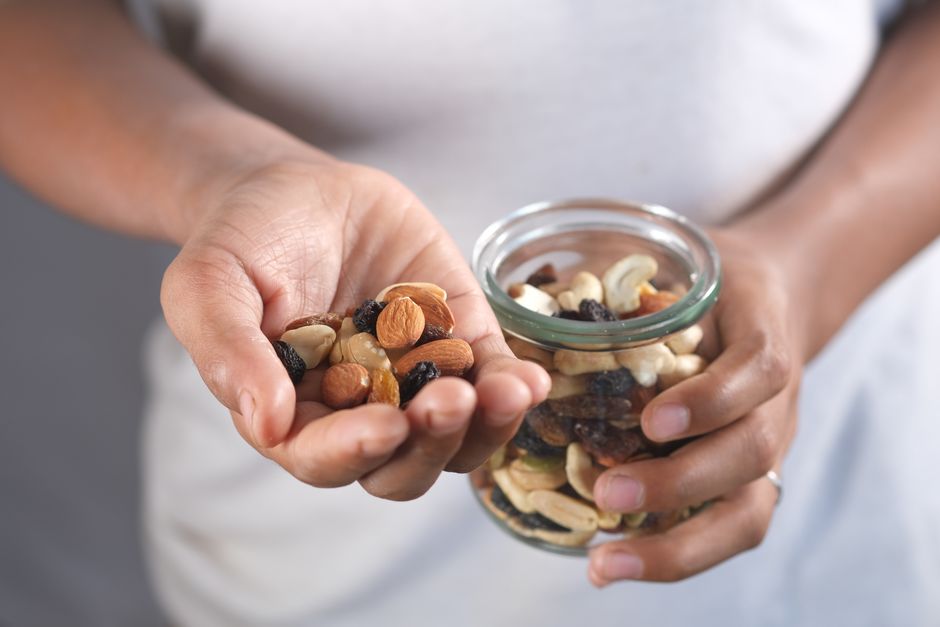
Yes, Coca-Cola still uses kola nut extract in its recipe, but not in the way most people think. The amount is tiny and serves a flavor purpose, not a caffeine source. Modern Coke gets its caffeine from synthetic sources and caffeine extracted during decaffeination processes. The kola nut is more of a historical ingredient that still appears in trace amounts for authentic flavoring.
Does Coca-Cola Actually Contain Kola Nut Extract?
Coca-Cola does contain kola nut extract. The company has confirmed this publicly. But the amount is very small. It is not the main flavor or the main source of caffeine.
The original 1886 formula used kola nuts for both flavor and caffeine. That changed over time. Today the kola nut extract is used as a natural flavoring ingredient. It contributes to the overall taste profile but does not drive the recipe.
The Coca-Cola Company lists “natural flavors” on its ingredient labels. Kola nut extract falls under that category. You will not see “kola nut” spelled out on the can. But it is part of the proprietary blend of natural flavorings.
How Much Kola Nut Is Actually in a Can of Coke?
The exact amount is a trade secret. No publicly available document lists the precise quantity. But independent analyses and industry estimates suggest the amount is minimal.
For comparison, one kola nut contains roughly the same caffeine as two cups of coffee. If Coca-Cola used kola nuts as its primary caffeine source, a single can would deliver far more caffeine than it does. A 12-ounce can of Coca-Cola Classic contains 34 milligrams of caffeine. A single kola nut can contain 50 to 100 milligrams.
This math tells you something important. The kola nut in Coca-Cola is not there for caffeine. It is there for flavor. The caffeine comes from other sources.
Where Does the Caffeine in Coke Actually Come From?
Coca-Cola sources its caffeine from two main places. The first is the decaffeination process of coffee beans. When coffee is decaffeinated, the removed caffeine is sold to beverage companies. The second source is synthetic caffeine manufactured in laboratories.
Both sources are chemically identical to natural caffeine. Your body cannot tell the difference. The reason Coca-Cola uses these sources instead of kola nuts is simple: consistency and cost.
Kola nuts vary in caffeine content depending on where they grow, when they are harvested, and how they are stored. That unpredictability does not work for a global product that must taste the same in every country. Synthetic and recovered caffeine provide exact control over every batch.





What Does the Kola Nut Actually Do in Modern Coca-Cola?
The kola nut contributes to the “natural flavors” in Coca-Cola. It adds a subtle bitterness and earthy note that balances the sweetness. This is part of why Coke tastes different from other colas that use only artificial flavors.
The kola nut also provides legal cover. In some countries, food regulations require that products called “cola” contain actual kola nut extract. Without it, Coca-Cola might have to change its name in those markets.
So the kola nut serves two practical purposes. Flavor authenticity and regulatory compliance. Neither has anything to do with caffeine content or energy effects.
Is There Any Nutritional Benefit From the Kola Nut in Coke?
No. The amount of kola nut extract in Coca-Cola is far too small to provide any measurable nutritional benefit. Kola nuts contain caffeine, theobromine, and antioxidants. But at the trace levels present in a can of Coke, these compounds have no meaningful effect.
If you ate a whole kola nut, you would get a significant dose of caffeine and some antioxidants. But that is not what happens when you drink a Coke. The kola nut is present as a flavoring, not as a nutritional ingredient.
Some people claim that “natural” kola nut caffeine is healthier than synthetic caffeine. There is no scientific evidence for this. The molecules are identical. Your body processes them the same way.
Does Any Other Major Cola Use Kola Nuts Differently?
Pepsi does not use kola nut extract. Pepsi uses a different blend of natural and artificial flavors. This is one reason the two drinks taste different even though both are colas.
Some smaller craft cola brands use whole kola nut extract as their primary caffeine source. These brands often market themselves as “traditional” or “original recipe” colas. They tend to have higher caffeine content and a more bitter flavor profile than mass-market colas.
Here is a quick comparison of how major colas handle kola nuts:
| Brand | Uses Kola Nut? | Caffeine Source | Caffeine per 12 oz |
|---|---|---|---|
| Coca-Cola Classic | Yes (trace extract) | Synthetic / recovered | 34 mg |
| Pepsi | No | Synthetic | 38 mg |
| RC Cola | No | Synthetic | 43 mg |
| Small craft colas | Yes (full extract) | Kola nut | 50-80 mg |
Common Misconceptions About Kola Nuts and Coke
Several myths about kola nuts and Coca-Cola keep circulating online. Here are the ones that are simply not true:
- Myth: Kola nuts are the main caffeine source in Coke. False. The amount of kola nut extract is too small to provide meaningful caffeine.
- Myth: Coca-Cola removed kola nuts entirely. False. The company still uses kola nut extract as a natural flavoring.
- Myth: Kola nut extract makes Coke healthier. False. The trace amount provides no measurable health benefit.
- Myth: The “natural flavors” in Coke come mostly from kola nuts. False. Kola nut is just one of many ingredients in that proprietary blend.
These myths persist because people want to believe there is something special or traditional about what they drink. The truth is more mundane. Coca-Cola uses kola nuts because it always has, and because regulators in some countries expect it. It is not a health ingredient or a major caffeine source.
What to Avoid When Reading About Kola Nuts and Cola
Avoid websites that claim kola nuts are the “secret ingredient” that makes Coke addictive. Caffeine is the addictive compound, and it comes from other sources. The kola nut has nothing to do with it.
Avoid articles that say “Coca-Cola contains no kola nut at all.” This is also false. The company has confirmed kola nut extract is part of the natural flavor blend. Denying it exists is just as inaccurate as overstating its importance.
Avoid any source that tells you kola nut extract provides “superfood” benefits in Coke. The amount is negligible. You would need to drink dozens of cans to get the equivalent of one kola nut’s worth of active compounds. That would be dangerous for entirely different reasons.
Frequently Asked Questions
Does Coke still use real kola nuts?
Yes, Coca-Cola uses kola nut extract as a natural flavoring in its recipe. The amount is very small and serves a flavor purpose, not a caffeine source.
Why does Coke use kola nuts if they don’t provide caffeine?
The kola nut extract adds a subtle earthy bitterness that balances the sweetness of the drink. It also helps Coca-Cola meet food regulations in countries that require cola products to contain actual kola nut extract.
Is the caffeine in Coke from kola nuts or synthetic sources?
The caffeine in Coca-Cola comes from synthetic sources and caffeine recovered from coffee decaffeination. Kola nut extract contributes an insignificant amount of caffeine at the levels used in the recipe.
Do other cola brands use kola nuts?
Pepsi and most major cola brands do not use kola nut extract. Some small craft cola brands use whole kola nut extract as their primary caffeine source and flavor base.
