

Hot tub folliculitis is a skin infection caused by bacteria. It happens after sitting in a poorly maintained hot tub or spa. The bacteria, usually Pseudomonas aeruginosa, thrive in warm water. When the water is not properly treated, the bacteria multiply and infect your hair follicles. You will often see an itchy rash with red bumps or pus-filled spots within a few hours to a couple of days after soaking. The rash typically appears on skin that was covered by a swimsuit. Fortunately, the infection usually clears on its own in healthy people. The best prevention is proper hot tub maintenance and showering immediately after use.
What Is Hot Tub Folliculitis?
Hot tub folliculitis is an infection of the hair follicles. It is sometimes called pseudomonas folliculitis. The bacteria Pseudomonas aeruginosa is the usual cause. This bacterium is common in soil and water. It can survive in warm, chlorinated water if the chemical levels are not correct.
The infection affects the upper part of the hair follicle. The follicle becomes inflamed and fills with pus. This creates the classic red bumps that look like acne. The rash can be itchy or tender. It often appears on areas that were covered by a swimsuit because the wet fabric keeps the bacteria in contact with the skin.
This condition is not contagious from person to person. You cannot catch it from someone else. You get it from the contaminated water itself. Most cases are mild and resolve without medical treatment.
What Causes Hot Tub Folliculitis And How To Prevent It?
The cause is bacterial contamination of the water. Pseudomonas aeruginosa enters the hot tub from multiple sources. Swimmers carry it on their skin. It can also enter through dirt, leaves, or other debris. The bacteria then multiply in the warm water when chlorine or bromine levels are too low.
Hot tubs are especially risky because of the water temperature. The heat keeps the bacteria alive and reproducing. The jets and bubbles can also spread the bacteria throughout the water. Unlike a swimming pool, a hot tub has a small volume of water. That means a small amount of contamination can create a high concentration of bacteria.
Prevention comes down to several clear steps:
- Check chemical levels regularly. Test the water at least once a day when the tub is in use. Follow the manufacturer’s instructions for chlorine or bromine levels.
- Shower before entering. Rinsing off removes dirt, oils, and some bacteria from your skin before you get in.
- Shower after exiting. Wash with soap and water immediately after using the hot tub. This removes bacteria from your skin before they can infect hair follicles.
- Do not use a hot tub if the water looks cloudy or smells strong. These are signs that the water chemistry is off.
- Wash swimsuits after use. The wet fabric holds bacteria against your skin. Wash it with detergent and dry it completely before wearing it again.
For public hot tubs, you have less control. Ask the facility about their maintenance schedule. Check for posted inspection results if they are available. If the water seems questionable, skip it.
What Are The Symptoms?
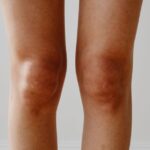
Symptoms usually appear 12 to 48 hours after exposure. The rash consists of red bumps that may be filled with pus. The bumps often look like acne or insect bites. They can be itchy, tender, or both.
The rash typically appears on skin that was in contact with the contaminated water. Common areas include the torso, buttocks, and upper arms. The face and neck are less commonly affected because they are usually above the water line.
Some people develop small, pus-filled blisters. Others may have larger, tender nodules. The rash can be uncomfortable but is rarely dangerous. A mild fever or fatigue can occur in some cases, though this is less common.
One important detail: the rash may look worse before it gets better. The bumps can increase in number for a few days. This does not mean the infection is spreading. It is the normal course of the condition.




How Is It Treated?
Most cases of hot tub folliculitis clear on their own within 7 to 10 days. No specific treatment is needed for healthy people. The rash will resolve as your immune system clears the bacteria.
For symptom relief, you can use over-the-counter options. An antihistamine can reduce itching. A cool compress can soothe the skin. Over-the-counter hydrocortisone cream may help with inflammation.
If the rash is severe, widespread, or does not improve, see a doctor. Some people develop deeper infections that require treatment. A doctor may prescribe a topical antibiotic or, in more serious cases, an oral antibiotic. This decision depends on the severity of the infection and your overall health.
People with weakened immune systems should seek medical attention early. This includes people with diabetes, those on immunosuppressive medications, or people with chronic illnesses. For these individuals, the infection can be more serious and may require prompt treatment.
Do not pop the bumps. This can introduce more bacteria into the skin and make the infection worse. Let the rash run its course.
When Should You See A Doctor?
Most cases do not require medical care. But certain signs warrant a doctor’s visit. Seek medical attention if you develop a fever. Also see a doctor if the rash spreads rapidly or becomes intensely painful.
If the rash does not improve within two weeks, consult a healthcare provider. A persistent rash may indicate a deeper infection or a different skin condition. The doctor can examine the rash and determine the appropriate treatment.
People with underlying health conditions should be more cautious. If you have a weakened immune system, diabetes, or a chronic skin condition, contact your doctor at the first sign of infection. Early treatment can prevent complications.
Can You Get It From A Swimming Pool?
Yes, but it is less common. Swimming pools can also harbor Pseudomonas aeruginosa if the water is not properly treated. The same bacteria can cause the same rash.
However, hot tubs are riskier for several reasons. The warmer water allows bacteria to multiply faster. The smaller water volume means contamination is more concentrated. And the longer exposure time in a hot tub increases the chance of infection.
Public pools are usually monitored more strictly than private hot tubs. But any body of water can become contaminated. The same prevention rules apply: shower before and after swimming, and avoid water that looks or smells off.
How Long Does The Rash Last?
The rash typically lasts 7 to 10 days. It may take up to two weeks to fully resolve. The bumps may crust over or flatten out as they heal.
Some people experience post-inflammatory hyperpigmentation. This means the skin may remain discolored for weeks or months after the rash clears. This is not a scar. The discoloration usually fades over time.
Scarring is uncommon. It can occur if the bumps are picked at or if the infection is severe. Keeping the skin clean and avoiding scratching reduces the risk of scarring.
If you have had hot tub folliculitis once, you can get it again. The infection does not provide immunity. Following prevention steps every time you use a hot tub is the only reliable way to avoid it.
Frequently Asked Questions
Can hot tub folliculitis spread to other parts of my body?
No, the infection does not spread from one area to another through touching or scratching. The rash only appears on areas that were exposed to the contaminated water.
Do I need antibiotics for hot tub folliculitis?
Most healthy people do not need antibiotics because the infection clears on its own. Antibiotics are reserved for severe cases, people with weakened immune systems, or infections that do not improve.
Is it safe to use a hot tub during pregnancy?
Hot tub use during pregnancy carries risks unrelated to folliculitis, mainly from overheating. The rash itself is not dangerous to a fetus, but discuss hot tub use with your obstetrician before soaking.
Can I get hot tub folliculitis from a clean-looking hot tub?
Yes, the water can look clear and still contain bacteria. Chemical levels must be tested regularly because visual appearance alone does not confirm safety.
