
Your mouth is home to hundreds of types of bacteria. Most are harmless. Some are not. The holes in teeth — dentists call them caries — form when certain bacteria break down sugars from your food and turn them into acid. That acid dissolves the hard mineral surface of the tooth. Do this often enough, and the damage outpaces your mouth’s ability to repair itself. A cavity is the result.
This is not a hygiene failure or a sign of weak teeth. It is a chemical process that happens to almost everyone at some point. Understanding how it works is the first step toward preventing it.
What Causes Holes In Teeth Bacteria Acids More?
Cavities form through a repeating cycle: bacteria feed on sugar, produce acid, and that acid eats away at tooth enamel. The key players are Streptococcus mutans and Lactobacillus species. These bacteria live in dental plaque — the sticky film that builds up on teeth throughout the day.
When you eat or drink something containing fermentable carbohydrates (sugar and certain starches), these bacteria metabolize the sugar and release organic acids as a waste product. The main one is lactic acid. Within minutes of eating, the pH in your mouth can drop below 5.5. That number matters because it is roughly the threshold at which tooth enamel begins to dissolve.
Your saliva normally neutralizes acid and delivers minerals like calcium and phosphate back into the enamel. This repair process is called remineralization. Cavities form when demineralization happens more often than remineralization. It is a balance problem, not a one-time event.
Several things tip that balance toward decay:
- Frequent snacking or sipping sugary drinks throughout the day, which keeps acid levels high
- Dry mouth from medications, aging, or medical conditions, which reduces saliva’s protective effect
- Poor brushing and flossing, which lets plaque accumulate
- Deep grooves in back teeth where bacteria and food particles get trapped
- Acidic foods and drinks that add to the acid load directly
The acid attack typically lasts 20 minutes or longer after each exposure to sugar. If you snack six times a day, your teeth face six acid attacks. That frequency matters more than the total amount of sugar consumed.
How Does Tooth Decay Actually Progress?
Decay moves through stages, and it does not happen overnight. The first stage is demineralization — a microscopic loss of minerals from the enamel surface. At this point, the enamel looks chalky or white. There is no hole yet. This stage is potentially reversible with fluoride and improved oral hygiene.
If demineralization continues, the enamel weakens and eventually breaks down. Once the acid reaches the dentin — the softer layer beneath enamel — decay speeds up significantly. Dentin is less mineralized and dissolves faster.
From there, bacteria can reach the pulp, the inner core of the tooth containing nerves and blood vessels. This is when a cavity becomes painful. It can also lead to infection and abscess if left untreated. At that point, a simple filling is no longer enough. Root canal treatment or extraction may be needed.
What makes this process tricky is that early cavities often cause no pain at all. By the time you feel something, the decay has typically advanced past the enamel. That is why regular dental checkups matter — they catch problems before you notice them.
Why Do Some People Get More Cavities Than Others?
Two people can eat the same diet and brush the same way, yet one gets cavities and the other does not. Several factors explain why.
Saliva composition and flow. Saliva is your mouth’s built-in defense system. It washes away food, neutralizes acid, and supplies the minerals that repair enamel. People with dry mouth — whether from medications, Sjögren’s syndrome, or radiation therapy — face a much higher risk of decay. Saliva flow naturally decreases with age, which is one reason cavities become more common in older adults.
Oral bacteria makeup. The specific types and proportions of bacteria in your mouth vary from person to person. Some people carry more acid-producing strains than others. Research suggests this composition can even be passed between people, particularly from caregivers to young children.
Tooth anatomy. Deep pits and grooves on the chewing surfaces of back teeth trap food and bacteria. These areas are hard to clean with a toothbrush, making them common sites for cavities. Dental sealants are designed to address this.
Fluoride exposure. Fluoride makes enamel more resistant to acid breakdown and helps rebuild minerals that have been lost. People with less fluoride exposure — whether from water sources, toothpaste, or professional treatments — tend to have more cavities. This is one of the most consistently supported findings in dental research.
Medications and medical conditions. Many common medications cause dry mouth as a side effect. Antihistamines, antidepressants, and blood pressure medications are among them. When saliva production drops, the mouth loses much of its natural protection.
Diet patterns. It is not just how much sugar you eat. It is how often. Constant sipping of sweetened drinks or frequent snacking keeps acid levels elevated and gives saliva no time to recover.





What Role Does Sugar Play in Cavity Formation?
Sugar is not the direct cause of cavities. Acid is. Sugar is the fuel that bacteria use to make that acid. Without fermentable carbohydrates, the bacteria that cause decay cannot produce the acid that destroys enamel.
The term “fermentable carbohydrates” includes more than just table sugar. It covers:
- Sucrose (table sugar)
- Glucose and fructose (found in fruits, honey, and sweetened drinks)
- Lactose (milk sugar)
- Cooked starches (bread, pasta, crackers, chips)
Cooked starches deserve special mention. They break down into sugars in your mouth, and they tend to stick to teeth. A cracker can feed cavity-causing bacteria just as effectively as candy, though it may take slightly longer.
What matters most is exposure frequency. Sipping a sugary drink over two hours produces a prolonged acid attack. Eating the same amount of sugar in five minutes produces a shorter one. This is why dentists often advise against grazing or sipping sweet drinks throughout the day.
It is also worth noting that sugar substitutes like xylitol and erythritol are not fermented by cavity-causing bacteria. Some research indicates xylitol may actually reduce the growth of these bacteria, though the evidence is not uniform across all studies.
Can You Reverse a Cavity Once It Starts?
Early-stage decay can sometimes be stopped or reversed. Once a physical hole forms in the enamel, it cannot heal on its own. The tooth cannot regenerate lost structure the way bone can.
At the demineralization stage — before a visible hole develops — fluoride can help rebuild the enamel. Fluoride works by promoting remineralization and making the enamel more resistant to future acid attacks. This is why dentists sometimes recommend fluoride treatments or prescribe high-fluoride toothpaste for people at high risk.
Once the enamel surface breaks and a cavity forms, the only way to fix it is to remove the decayed tissue and restore the tooth with a filling. If decay reaches the pulp, more extensive treatment such as a root canal is needed.
This is the honest position: prevention works far better than reversal. The earlier you catch the process, the more options you have. Regular dental visits remain the most reliable way to catch problems before they become irreversible.
How Can You Reduce Your Risk?
Cavity prevention comes down to reducing acid attacks and helping your saliva do its repair work.
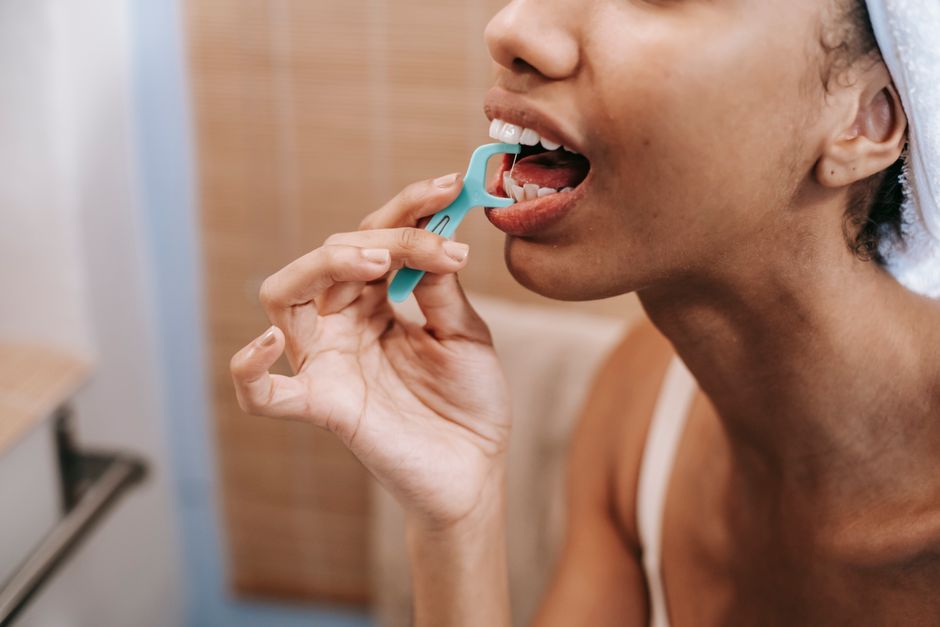
Brushing twice a day with fluoride toothpaste is a baseline recommendation supported by decades of clinical evidence. Flossing once a day removes plaque from between teeth where a toothbrush cannot reach. These are not new ideas, but they remain the foundation.
Limiting how often you consume sugary or starchy foods matters more than the total amount. If you are going to have a sweet treat, having it with a meal is generally better than snacking on it throughout the day, because saliva production increases during meals.
Drinking water throughout the day helps rinse away food particles and dilute acids. It also supports saliva production. Chewing sugar-free gum after meals can stimulate saliva flow, which helps neutralize acid.
Dental sealants are a proven option for protecting the deep grooves on back teeth, especially in children and teenagers. Fluoride varnish applied by a dentist can also help strengthen enamel in people at higher risk.
If you take medications that cause dry mouth, talk to your dentist or doctor. There may be alternatives or ways to manage the dryness. This is a conversation worth having, because chronic dry mouth significantly raises cavity risk over time.
Frequently Asked Questions
Can a cavity go away on its own?
No. Once a physical hole forms in a tooth, it cannot heal without a dental filling. Very early demineralization — before a hole develops — can sometimes be stopped with fluoride and improved oral care.
Does sugar directly cause cavities?
Not directly. Sugar feeds bacteria that produce acid, and the acid dissolves tooth enamel. Without acid production, sugar alone would not create a cavity.
Are cavities contagious?
The bacteria that cause cavities can be passed from person to person, especially from caregivers to young children. However, the presence of those bacteria alone does not guarantee a cavity will form.
Does brushing immediately after eating help prevent cavities?
Brushing too soon after eating acidic foods may actually wear down softened enamel. Waiting about 30 minutes gives saliva time to neutralize acid and allows enamel to reharden before brushing.
