
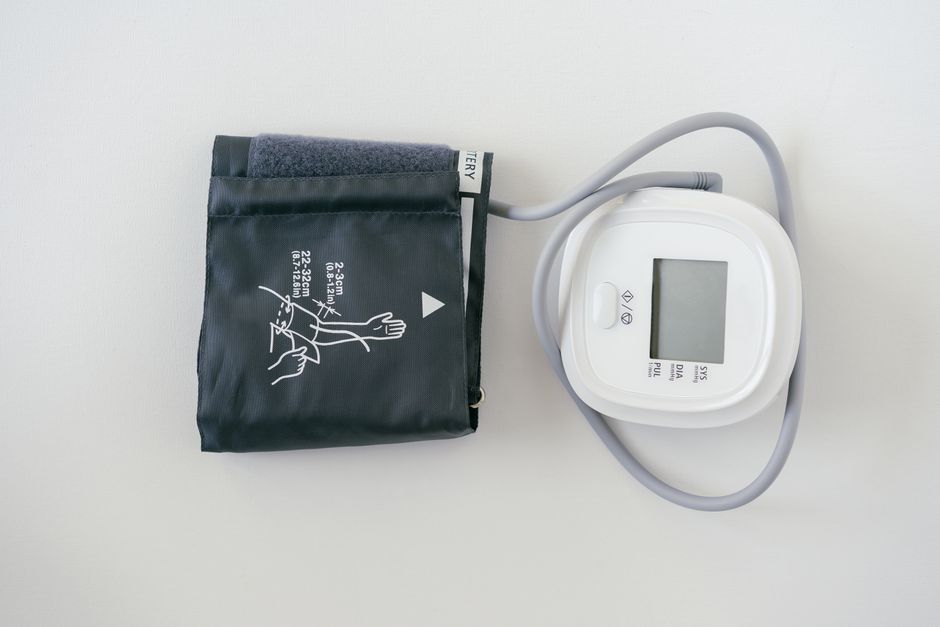
A rapid heartbeat can feel alarming, but it is often a normal response to everyday life. Your pulse rate, also known as your heart rate, is the number of times your heart beats per minute. A high pulse rate, medically known as tachycardia, is generally defined as a resting heart rate above 100 beats per minute. The most common causes are physical activity, stress, anxiety, dehydration, fever, and stimulants like caffeine. However, a persistently high pulse rate can also signal an underlying medical condition such as an arrhythmia, thyroid disease, or anemia, which requires a doctor’s evaluation.
What Causes High Pulse Rate?
Your heart rate is controlled by electrical signals and influenced by your nervous system. When your body needs more oxygen, your heart beats faster to deliver it. This is a healthy response during exercise. Outside of physical exertion, several factors can trigger this response.
Everyday triggers are the most common reason for a high pulse. Stress and anxiety activate your “fight or flight” response, releasing hormones like adrenaline that speed up your heart. Dehydration reduces blood volume, making your heart work harder to pump blood. Fever increases your metabolic rate, which naturally raises your heart rate. Even simple things like drinking a large amount of caffeine or not sleeping well can cause a temporary spike.
Certain medications also raise your pulse. Decongestants, asthma inhalers, and some thyroid medications are known to increase heart rate. If you notice your pulse is consistently high and you take any of these, discuss it with your doctor. They can help determine if the medication is the cause and whether an alternative exists.
When Is a High Pulse Rate a Medical Concern?
A high pulse rate is a concern when it happens without a clear reason, like exercise or stress. If your resting heart rate is consistently above 100 beats per minute, it is worth a medical evaluation. This is especially important if you also feel dizzy, short of breath, or have chest pain.
There are several medical conditions that cause a high pulse rate. Supraventricular tachycardia (SVT) is a condition where the heart suddenly beats very fast due to abnormal electrical pathways. Atrial fibrillation is another common arrhythmia that causes a rapid and irregular heartbeat. These conditions are not just about a fast pulse; they affect how efficiently your heart pumps blood.
Other underlying conditions include hyperthyroidism, where an overactive thyroid gland produces too much hormone, speeding up your metabolism and heart rate. Anemia, a lack of healthy red blood cells, forces the heart to pump faster to carry oxygen. Infections and sepsis can also cause a rapid heart rate as your body fights off illness. These are all conditions that require a doctor’s diagnosis and treatment, not just home management.
How to Measure Your Pulse Correctly
Before you worry about a high pulse rate, you need to know how to measure it accurately. Many people check their pulse right after moving around or while anxious, which gives an inaccurate reading. The correct way is to measure your resting heart rate.
Find your pulse on the inside of your wrist, just below the base of your thumb. Place your index and middle fingers there lightly. Count the beats for 30 seconds and multiply that number by two to get your beats per minute. You can also use the side of your neck, but do not press hard on both sides of your neck at once, as this can reduce blood flow to your head.
For the most accurate resting rate, check it in the morning before you get out of bed or after you have been sitting quietly for at least five minutes. A normal resting heart rate for adults ranges from 60 to 100 beats per minute. Highly fit athletes often have resting rates below 60, which is a sign of efficient heart function, not a problem.





Lifestyle Factors That Keep Your Pulse in a Healthy Range
For most people, a high pulse rate is linked to lifestyle. Regular aerobic exercise is one of the most effective ways to lower your resting heart rate over time. Exercise strengthens your heart muscle, allowing it to pump more blood with each beat. This means it needs to beat less often to meet your body’s demands.
Hydration also matters. Your blood is mostly water, and when you are dehydrated, your blood volume drops. Your heart compensates by beating faster to maintain blood pressure. Drinking enough water throughout the day helps keep your blood volume stable and your pulse steady.
Managing stress is harder to quantify but equally important. Chronic stress keeps your body in a state of high alert, which maintains an elevated heart rate. Practices like deep breathing, meditation, and regular physical activity can help lower your baseline stress levels. Reducing caffeine and alcohol intake can also help, as both are stimulants that can trigger a fast heartbeat.
When to Seek Immediate Medical Care
Some symptoms accompanying a high pulse rate require urgent medical attention. Do not wait to see if they pass. Call emergency services or go to an emergency room if you have a rapid heart rate along with chest pain, severe shortness of breath, fainting, or lightheadedness.
A high pulse rate with these symptoms can indicate a serious condition like a heart attack, a dangerous arrhythmia, or a pulmonary embolism. These are medical emergencies. The distinction between a benign rapid heartbeat and a dangerous one is often determined by these accompanying symptoms, not just the number on your watch or monitor.
If your high pulse rate comes and goes, lasts for several minutes, or is accompanied by palpitations that feel like fluttering or pounding, you should see a doctor for an evaluation. They may order an electrocardiogram (ECG) or a Holter monitor to capture your heart’s rhythm over time. These tests help determine if your high pulse rate is a harmless response to stress or a sign of an electrical problem in your heart.
What to Expect at a Doctor’s Appointment
If you see a doctor about a high pulse rate, they will start with a physical exam and ask about your symptoms, medications, and family history. They will likely check your blood pressure and listen to your heart. A standard ECG is usually the first test, as it records the electrical activity of your heart.
If your high pulse rate is not captured during the ECG, your doctor may recommend a Holter monitor. This is a portable device you wear for 24 to 48 hours that records your heart’s rhythm continuously. For less frequent symptoms, an event monitor, which you wear for weeks, may be used. You press a button when you feel symptoms, and the device records your heart’s rhythm at that moment.
Blood tests are also common. They can check for thyroid function, electrolyte imbalances, and anemia. Based on the results, your doctor can identify the cause and recommend a treatment plan. Treatment may involve lifestyle changes, medication to control your heart rate or rhythm, or treatment for the underlying condition like thyroid disease or anemia.
Frequently Asked Questions
What is considered a dangerously high pulse rate?
A resting heart rate consistently above 120 beats per minute, especially with symptoms like dizziness or chest pain, requires immediate medical attention.
Can anxiety cause a high pulse rate?
Yes, anxiety and stress activate your nervous system and release adrenaline, which directly increases your heart rate.
Does drinking water lower a high pulse rate?
If dehydration is the cause, drinking water can help by restoring blood volume and reducing the workload on your heart.
Is a high pulse rate always a sign of heart disease?
No, it is often caused by stress, caffeine, dehydration, or fever, but persistent elevation without a clear cause should be evaluated by a doctor.
