
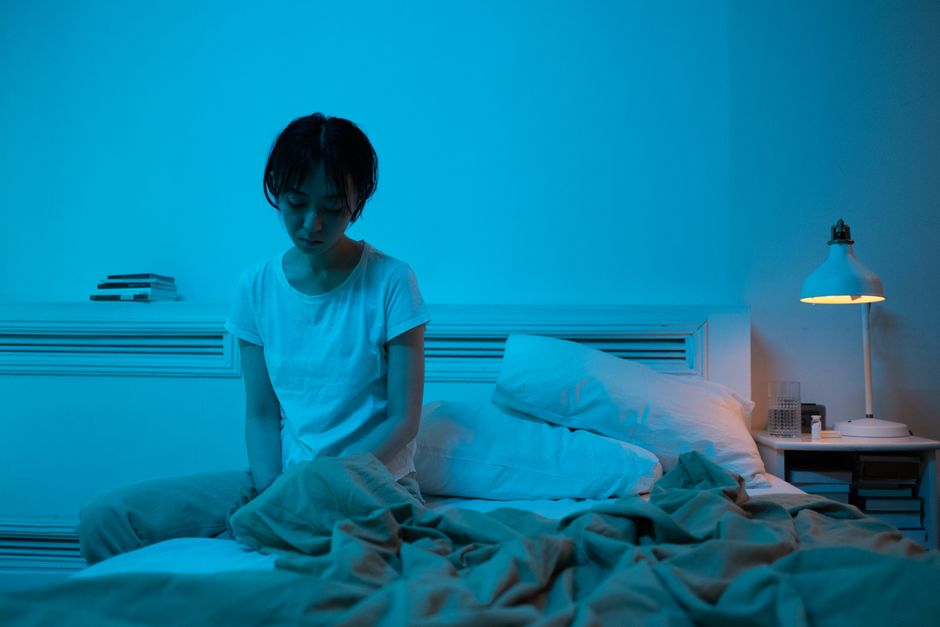
Seeing or hearing things that are not there can be frightening, especially when it happens to an older parent or spouse in the middle of the night. Nighttime hallucinations in the elderly are not a normal part of aging, but they are more common than most people realize. The causes range from medication side effects and sleep disorders to underlying conditions like dementia or Parkinson’s disease. Understanding the specific reason behind the hallucination is the first step toward managing it safely and effectively.
What Causes Hallucinations At Night In The Elderly?
Several distinct conditions can trigger nighttime hallucinations. The most common culprits include dementia with Lewy bodies, Parkinson’s disease, and side effects from prescription medications. Sleep-related issues, such as REM sleep behavior disorder, can also cause vivid dream-like experiences that feel real. In some cases, severe visual impairment or infections like a urinary tract infection can cause confusion and hallucinations in older adults.
The brain processes sensory information differently at night. With less visual input and more silence, the brain may fill in gaps with false perceptions. This is especially true for people with cognitive decline. The combination of dim lighting, fatigue, and a quiet environment creates conditions where the brain misinterprets shadows or sounds.
What Is the Difference Between Hallucinations and Delusions?
Many people use these terms interchangeably, but they mean different things. A hallucination is a false sensory experience. The person sees, hears, feels, or smells something that is not actually present. A delusion is a false belief. The person believes something that is not true, even when presented with clear evidence against it.
For example, an elderly person who sees a stranger standing in the corner is experiencing a hallucination. An elderly person who insists the caregiver is trying to poison them, despite no evidence, is experiencing a delusion. Nighttime hallucinations are sensory experiences, while delusions are thought-based. Both can occur in dementia, but they require different approaches to care and communication.
How Do Medications Contribute to Nighttime Hallucinations?
Medication side effects are one of the most reversible causes of hallucinations in older adults. Certain classes of drugs are well known for this effect. These include:
- Anticholinergic medications, often used for bladder control or allergies
- Sedatives and sleep aids, including benzodiazepines
- Some antidepressants and anti-anxiety drugs
- Parkinson’s disease medications, particularly dopamine agonists
- Steroids like prednisone
The risk increases when multiple medications are combined. Older adults metabolize drugs more slowly, so medication levels can build up in the body. This is called polypharmacy, and it is a leading cause of confusion and hallucinations in the elderly. A doctor can review all medications and adjust doses or switch to alternatives. Never stop or change a prescription without medical supervision, as some medications have dangerous withdrawal effects.





What Role Does Dementia Play in Nighttime Hallucinations?
Dementia is a major cause of hallucinations, particularly in the later stages. Dementia with Lewy bodies is especially known for causing vivid, detailed visual hallucinations. These often occur in the evening or at night and may involve people, animals, or complex scenes. Parkinson’s disease dementia can cause similar symptoms.
Alzheimer’s disease can also cause hallucinations, though they tend to occur less frequently than in Lewy body dementia. The hallucinations in Alzheimer’s often involve people from the past or deceased loved ones. These experiences can be comforting or distressing, depending on the content. The brain’s declining ability to process reality accurately contributes to these false perceptions.
Can Sleep Disorders Cause Hallucinations at Night?
Yes. REM sleep behavior disorder occurs when the normal paralysis during dreaming fails. People act out their dreams, sometimes violently. They may also experience vivid hallucinations as they transition between sleep and wakefulness. This condition is strongly linked to Parkinson’s disease and Lewy body dementia, often appearing years before other symptoms.
Sleep deprivation and poor sleep quality can also trigger hallucinations in older adults. When the brain does not get enough restorative sleep, sensory processing becomes unreliable. Sleep apnea is another risk factor. The repeated interruptions in breathing prevent deep sleep and reduce oxygen to the brain, which can contribute to confusion and false perceptions at night.
What Are the Less Common Causes of Nighttime Hallucinations?
Several other conditions can cause hallucinations in the elderly. Charles Bonnet syndrome occurs in people with significant vision loss. The brain, deprived of visual input, creates its own images. These hallucinations are usually complex and detailed, such as patterns, faces, or landscapes. People with this condition often know the images are not real, which distinguishes it from dementia-related hallucinations.
Infections are another important cause. A urinary tract infection can cause sudden confusion and hallucinations in older adults, even without typical symptoms like burning or fever. This is called delirium. Delirium is a medical emergency that requires prompt treatment. Other triggers include dehydration, electrolyte imbalances, and recent surgery or hospitalization.
When Is a Nighttime Hallucination a Medical Emergency?
Some situations require immediate medical attention. Seek urgent care if the hallucinations are accompanied by:
- High fever or signs of infection
- Sudden confusion that came on within hours or days
- Difficulty breathing or chest pain
- Signs of a stroke, such as facial drooping or weakness on one side
- Severe agitation or aggression that poses a safety risk
Sudden-onset hallucinations in a person with no history of them are particularly concerning. This pattern suggests delirium rather than dementia. Delirium is often reversible if the underlying cause is treated quickly. Do not wait to see if it resolves on its own.
How Can Caregivers Respond to Nighttime Hallucinations?
How you respond matters. Do not argue with the person about what they are seeing. Arguing increases distress and can escalate the situation. Instead, acknowledge their feelings while gently redirecting the conversation. For example, you might say, “I understand you see someone in the corner. I don’t see them, but I know it feels real to you.” Then calmly guide them to a different topic or activity.
Check the environment. Turn on adequate lighting to reduce shadows. Remove mirrors or objects that might create confusing reflections. Keep the bedroom familiar and clutter-free. A predictable bedtime routine can also help. Limit caffeine and screen time in the evening, and encourage physical activity during the day to promote better sleep.
Keep a log of when hallucinations occur. Note the time, what the person saw or heard, and what was happening beforehand. This information helps doctors identify patterns and potential triggers. Some hallucinations are tied to specific medications or times of day, and this record can reveal that connection.
What Treatments Are Available for Nighttime Hallucinations?
Treatment depends entirely on the underlying cause. If a medication is responsible, adjusting or changing it may resolve the hallucinations. If an infection is the trigger, treating the infection usually clears the confusion. For dementia-related hallucinations, doctors may prescribe certain antipsychotic medications, but these carry significant risks in older adults and are used cautiously.
Non-drug approaches are often tried first. These include optimizing the sleep environment, maintaining a consistent daily routine, and addressing vision or hearing problems. Correcting vision with proper glasses or treating cataracts can reduce Charles Bonnet syndrome symptoms. Treating sleep apnea with a CPAP machine can improve sleep quality and reduce related hallucinations.
The evidence for specific treatments varies. Some medications used for dementia symptoms may reduce hallucinations in some patients, but no medication reliably eliminates them in all cases. Doctors weigh the benefits against the risks, particularly the increased risk of stroke and death associated with antipsychotic use in elderly patients with dementia. Treatment decisions should always be made with a specialist who knows the person’s full medical picture.
Frequently Asked Questions
Are nighttime hallucinations in the elderly always a sign of dementia?
No. Medications, infections, sleep disorders, and vision loss can all cause hallucinations without dementia. A medical evaluation is needed to determine the cause.
Can dehydration cause hallucinations in older adults?
Yes, severe dehydration can cause confusion and hallucinations, especially in the elderly. This is a form of delirium that typically resolves with proper hydration and medical care.
Should I wake an elderly person who is hallucinating at night?
If the person is asleep and hallucinating, it is usually better to let them sleep unless they are in danger. If they are awake and distressed, speak calmly and gently redirect their attention.
How long do nighttime hallucinations last in the elderly?
The duration depends on the cause. Medication-related hallucinations may last until the drug is adjusted. Hallucinations from infections usually resolve with treatment. Dementia-related hallucinations can be recurring and may persist over time.
