
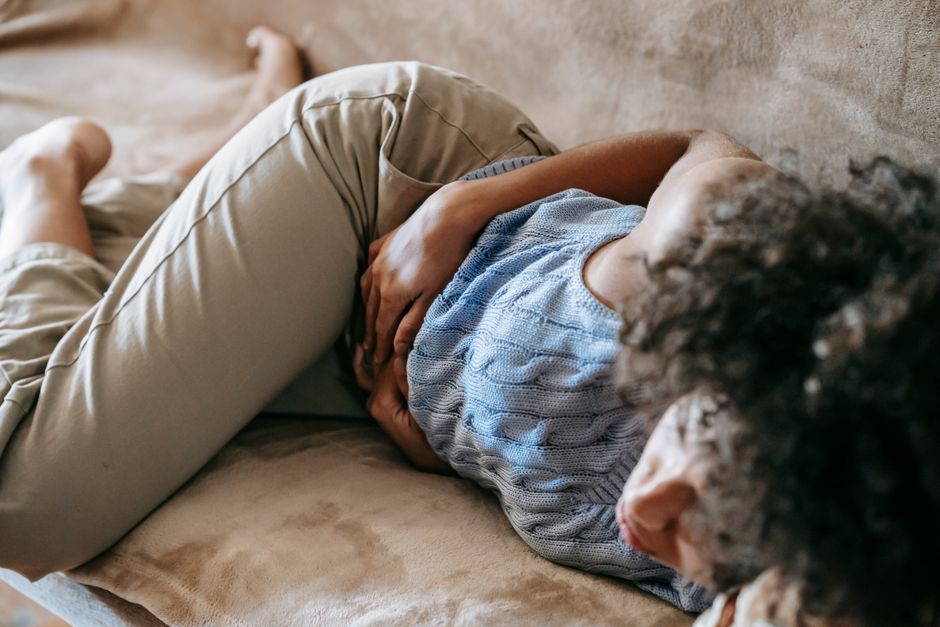
Gallbladder pain usually means something is irritating the wall of the gallbladder or blocking the flow of bile out of it. The most common cause is gallstones, but inflammation can also happen with no stones at all. Pain from the gallbladder tends to sit in the upper right part of the belly, sometimes spreading to the right shoulder blade, and it often shows up after a fatty meal.
What Causes Gallbladder Pain Stones Inflammation More?
The gallbladder is a small pear-shaped organ under the liver. It stores bile, a fluid the liver makes to help digest fat. When you eat, the gallbladder squeezes bile through a tube called the cystic duct and into the small intestine.
Pain happens when that system gets blocked or inflamed. Gallstones are the leading cause. They form when substances in bile — mainly cholesterol or bilirubin — harden into pebble-like pieces. Small stones can slip through without any symptoms. Larger ones can lodge in the duct and cause pressure, spasm, and pain.
Inflammation is the second major driver. A stone stuck in the duct irritates the gallbladder wall, and that irritation can progress to cholecystitis, which is inflammation of the gallbladder. But inflammation can also occur without stones. That condition is called acalculous cholecystitis, and it tends to appear in people who are already seriously ill.
There is a third path that gets less attention: problems with how the gallbladder and its ducts move. The organ can struggle to empty properly even when no stone is present. This is sometimes called biliary dyskinesia. It is a real diagnosis, but it is also one of the more debated ones, because the evidence for how best to identify and treat it is not as strong as it is for gallstones.
How Do Gallstones Form in the First Place?
Gallstones form when the balance of substances in bile shifts. Bile is mostly water, but it also carries cholesterol, bile salts, and bilirubin. When cholesterol outpaces the bile salts that keep it dissolved, cholesterol can crystallize. Over months or years, those crystals can grow into stones.
Several things make this more likely:
- Being female, especially during the reproductive years
- Being over age 40
- Carrying extra body weight, particularly around the middle
- Losing weight very quickly
- Pregnancy
- Certain medications, including some forms of estrogen
- Diabetes and other metabolic conditions
- Some blood disorders that raise bilirubin
These risk factors are well established in the medical literature. What is less certain is why some people with several risk factors never form stones, while others with none still do. Genetics appear to play a role, but the picture is incomplete.
One point worth clearing up: gallstones are not caused by eating too much fat in a single meal. That meal may trigger pain if a stone is already there, but it did not create the stone. The stone was likely present for a while.
What Does Gallbladder Pain Actually Feel Like?
Gallbladder pain has a fairly recognizable pattern. It usually sits in the upper right or middle of the abdomen, just below the ribs. It can radiate to the right shoulder or shoulder blade. Many people describe it as a steady, deep ache or a gripping pressure rather than a sharp stab.
The classic pattern is called biliary colic, though the name is a bit misleading because the pain is not truly cramping or coming in waves. It tends to build and then hold steady. It often starts within an hour or two of a meal, especially a fatty one, and it can wake people from sleep.
Other symptoms that may come with it:
- Nausea or vomiting
- Bloating or a sense of fullness
- Pain that worsens with deep breathing
- Fever, if infection has set in
- Yellowing of the skin or eyes, if a duct is blocked
Fever and yellowing are not typical of simple gallstone pain. They suggest something more serious, and they are reasons to seek medical care promptly.





When Is Gallbladder Pain an Emergency?
Most gallbladder pain episodes settle on their own within a few hours. But some signs mean the situation has moved past simple discomfort and needs urgent attention.
Get medical help right away if you have:
- Pain that lasts more than several hours without easing
- Fever or chills with abdominal pain
- Yellowing of the skin or whites of the eyes
- Pale, clay-colored stools
- Dark urine
- Severe pain that makes it hard to stand or breathe
- Persistent vomiting
These can signal a blocked bile duct, an infected gallbladder, or inflammation of the pancreas. Each of these is a medical emergency, not something to wait out at home. This is one area where the guidance is clear and consistent across clinical sources.
How Is Gallbladder Pain Diagnosed?
Doctors start with a physical exam and questions about when the pain happens and what makes it worse. From there, imaging usually confirms the picture.
Ultrasound is typically the first test. It is painless, uses no radiation, and detects most gallstones well. It can also show thickening of the gallbladder wall, which suggests inflammation.
If ultrasound does not give a clear answer, other options include:
- A HIDA scan, which tracks how well the gallbladder empties
- CT scan, useful for spotting complications
- MRI or MRCP, which can show the bile ducts in detail
- Blood tests for infection, liver function, and pancreatic enzymes
Blood tests alone cannot diagnose gallstones. They help show whether the liver, pancreas, or bile ducts are involved. This distinction matters, because treatment decisions depend on knowing exactly what is inflamed or blocked.
What Helps Gallbladder Pain and What Does Not?
For a mild episode, some people find that heat, rest, and avoiding heavy fatty meals ease discomfort. That is reasonable supportive care, but it does not treat the underlying problem. If stones are present, they do not go away on their own.
For repeated episodes, surgery to remove the gallbladder is the most common and most studied treatment. The gallbladder is not essential — the liver still makes bile, and it flows directly into the small intestine. Most people adjust well after removal. Some notice looser stools or digestive changes, especially after fatty meals, but this usually improves over time.
Medications that dissolve gallstones exist, but they work only for certain small cholesterol stones, take months to years, and stones often return after the medication is stopped. They are not a general solution.
What does not work: cleanses, liver flushes, and herbal tonics marketed for gallbladder health. No clinical evidence confirms these remove stones or prevent attacks. Some, like olive oil flushes, can cause diarrhea and nausea without clearing anything.
It is also worth knowing that removing the gallbladder is not the only option for every case. Some people with few, mild episodes and no complications may reasonably choose to watch and wait. That is a conversation to have with a doctor, not a decision to make from a search result.
Can You Lower Your Risk of Gallbladder Problems?
You cannot control every risk factor, but a few habits are linked to lower risk in large studies.
- Keep weight steady rather than cycling up and down
- If losing weight, aim for gradual loss rather than rapid crash dieting
- Eat regular meals, including breakfast, so bile does not sit in the gallbladder too long
- Stay physically active
- Manage diabetes and metabolic conditions with your doctor
These steps reduce risk on average. They do not guarantee anything for any one person. If you already have stones, lifestyle changes will not make them disappear.
Why Does the Same Problem Cause Different Symptoms?
Two people can have gallstones of similar size and report very different experiences. One has no symptoms at all. The other has repeated attacks.
The difference usually comes down to location. A stone sitting quietly inside the gallbladder may never cause trouble. A stone that moves into the duct, even a small one, can cause significant pain. Stones near the opening of the gallbladder are more likely to block flow when the organ squeezes.
This is why imaging findings and symptoms do not always line up. It also explains why some people are told their stones are “nothing to worry about” while others are sent for surgery. The decision depends on symptoms and complications, not just on whether stones are present.
Frequently Asked Questions
What is the most common cause of gallbladder pain?
Gallstones are the most common cause of gallbladder pain. They cause trouble when they block the flow of bile out of the gallbladder or irritate its wall.
Can gallbladder pain happen without stones?
Yes. Inflammation can occur without stones, a condition called acalculous cholecystitis, and it tends to appear in people who are already seriously ill. Problems with how the gallbladder empties can also cause pain without any stones present.
When should I go to the emergency room for gallbladder pain?
Go right away if pain lasts more than several hours, or if you have fever, chills, yellowing of the skin or eyes, or pale stools. These signs can point to a blocked duct or an infected gallbladder.
Does eating fatty food cause gallstones?
No. A fatty meal can trigger pain if a stone is already there, but it does not create the stone. Gallstones form over months or years from shifts in the makeup of bile.
