
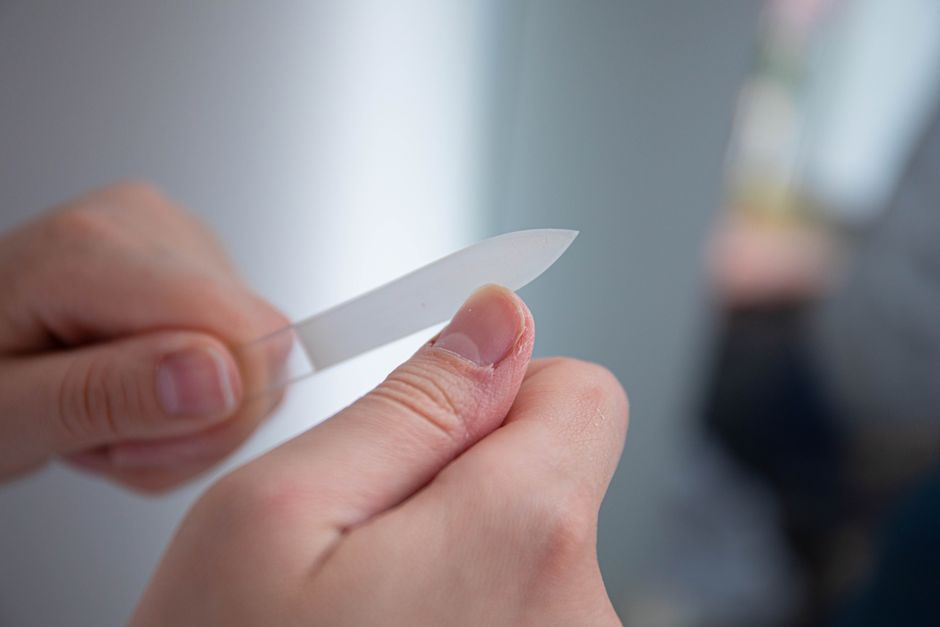
Healthy fingernails usually curve slightly downward as they grow past the fingertip. When that curve flattens out, or the nail actually starts to curve upward like a spoon, it is a condition called koilonychia. The most common cause is iron deficiency, which can be mild or a sign of anemia. The nail plate becomes thin and loses its natural arch because the nail matrix—the tissue under the cuticle that grows the nail—is not getting the nutrients it needs to produce a strong, curved nail.
What Does a Flattened or Spoon-Shaped Nail Look Like?
A normal nail has a gentle curve from side to side. When you look at it from the fingertip, it should arch slightly downward. In koilonychia, the nail flattens out first. As the condition progresses, the edges of the nail rise up and the middle dips down. The nail can look like a spoon that is holding a drop of water.
The nail usually becomes thinner and softer than normal. It may also be more brittle and prone to splitting. This change often happens gradually over weeks or months. It can affect one nail or several nails at once. Fingernails are more commonly affected than toenails.
Iron Deficiency Is the Primary Cause
Iron is essential for the nail matrix to produce healthy keratin, the protein that makes up the nail. When iron stores in the body run low, the nail matrix slows production and produces a thinner, weaker nail plate. This is why flattened or spoon-shaped nails are a classic sign of iron deficiency.
Low iron can occur for several reasons. A diet low in iron-rich foods like red meat, leafy greens, and legumes is one cause. Heavy menstrual bleeding is a common cause in women. Gastrointestinal bleeding from ulcers or other conditions can also deplete iron stores. In some cases, the body has enough iron but cannot absorb it properly due to digestive conditions like celiac disease.
A blood test can confirm iron deficiency. Doctors typically check hemoglobin, ferritin, and iron saturation levels. Ferritin reflects the body’s stored iron. If your nails have flattened and you are also experiencing fatigue, pale skin, or shortness of breath, ask your doctor about an iron panel.
Other Causes Beyond Iron Deficiency
Iron deficiency is the most common cause, but it is not the only one. The nail plate can flatten for several other reasons, and sometimes more than one factor is at play.
Trauma. Repeated pressure on the nails can flatten them. This can happen from typing, playing certain instruments, or habitually pressing on the nails. The nail matrix responds to chronic pressure by altering the shape of the nail it produces.
Thyroid disorders. Both an underactive and overactive thyroid can change nail growth. Nails may become thin, brittle, and lose their normal curve. Thyroid problems often cause other nail changes too, like ridges or separation from the nail bed.
Autoimmune conditions. Some autoimmune diseases affect the nail matrix directly. Psoriasis can cause pitting, thickening, and shape changes. Lichen planus can cause thinning and ridging that leads to flattening.
Nutritional deficiencies. Beyond iron, low levels of other nutrients can affect nail health. Zinc, biotin, and protein are all needed for normal nail growth. Severe protein deficiency can cause the nail plate to become thin and flat.
Kidney or liver disease. Chronic disease can change how the body uses nutrients and can affect nail growth. Half-and-half nails, where the lower half of the nail appears white, are associated with kidney disease. Flattening can occur alongside these changes.





When the Cause Is Not a Medical Condition
Some people naturally have flatter nails. Nail shape varies from person to person. If your nails have always been flat and you feel well, this may simply be your normal anatomy.
Age also plays a role. Nail growth slows with age, and the nail plate can become thinner and flatter over time. This is a normal part of aging, not a sign of disease.
Environmental factors matter too. Frequent exposure to water, harsh soaps, and nail polish remover can weaken the nail plate. Over time, this can contribute to thinning and flattening. This is often reversible if you protect your nails and give them time to regrow.
How to Confirm the Cause
You cannot diagnose the cause of flattened nails by looking at them. Many conditions produce similar nail changes. A doctor will consider your medical history, examine all your nails, and likely order blood tests.
The most common tests are a complete blood count and an iron panel. Your doctor may also check thyroid function, blood sugar, and markers of inflammation. If a digestive condition is suspected, testing for celiac disease may be recommended.
If your nails have flattened suddenly, or if you have other symptoms like fatigue, weight loss, or pain, do not delay seeking medical advice. Nail changes are sometimes the first visible sign of an underlying health problem.
Treatment Depends on the Root Cause
There is no direct treatment for the flattened nail itself. The nail will only return to its normal shape when the underlying cause is addressed. Because nails grow slowly, it can take several months for a new, healthy nail to grow out and replace the affected one.
If iron deficiency is confirmed, iron supplementation is the standard treatment. Your doctor will recommend a specific dose based on your blood test results. Do not start iron supplements on your own without testing—taking too much iron can cause serious health problems. Iron is best absorbed when taken with vitamin C, and certain foods and drinks like coffee, tea, and dairy can block absorption.
If a thyroid condition is found, treating it with medication often improves nail health over time. If trauma is the cause, reducing pressure on the nails may help. If nutritional deficiencies are identified, correcting your diet or taking targeted supplements can make a difference.
Can Flattened Nails Be Prevented?
Prevention depends on the cause. If you have a history of iron deficiency, maintaining an iron-rich diet can help. Good sources include lean red meat, poultry, fish, beans, lentils, and fortified cereals. Pairing plant-based iron sources with vitamin C-rich foods improves absorption.
Protecting your nails from damage is also sensible. Wear gloves when doing dishes or cleaning with harsh chemicals. Avoid using your nails as tools to open things. Keep nails trimmed to a moderate length—very long nails are more prone to bending and damage.
Moisturizing your nails and cuticles can help maintain flexibility. Dry, brittle nails are more likely to crack and change shape. A simple hand cream applied regularly is usually enough.
What Is What Causes Fingernails To Flatten Out?
The direct answer is that flattened fingernails are most often a sign of iron deficiency. The nail matrix needs iron to produce a strong, curved nail plate. When iron is low, the nail becomes thin and loses its arch. Other causes include thyroid disease, trauma, autoimmune conditions, and nutritional deficiencies beyond iron.
This is not a condition you should ignore. It is also not something you should self-treat with supplements without medical guidance. A simple blood test can provide clarity. Most underlying causes are treatable, and the nails typically return to normal once the cause is corrected.
Frequently Asked Questions
Can flattened fingernails go back to normal?
Yes, if the underlying cause is treated, nails usually return to their normal shape as they grow out. This can take several months because fingernails grow slowly.
What vitamin deficiency causes flat nails?
Iron deficiency is the most common cause of flat or spoon-shaped nails. Low levels of zinc, biotin, or protein can also affect nail shape, but iron is the primary culprit.
Are flat nails always a sign of anemia?
No. Flat nails are strongly associated with iron deficiency, but not everyone with flat nails has full anemia. You can have low iron stores without being anemic, and other conditions can also cause nail flattening.
How long does it take for nails to regrow after treatment?
Fingernails grow about one-tenth of an inch per month. A completely new nail takes about six months to grow from the cuticle to the fingertip, so improvement is gradual.
