
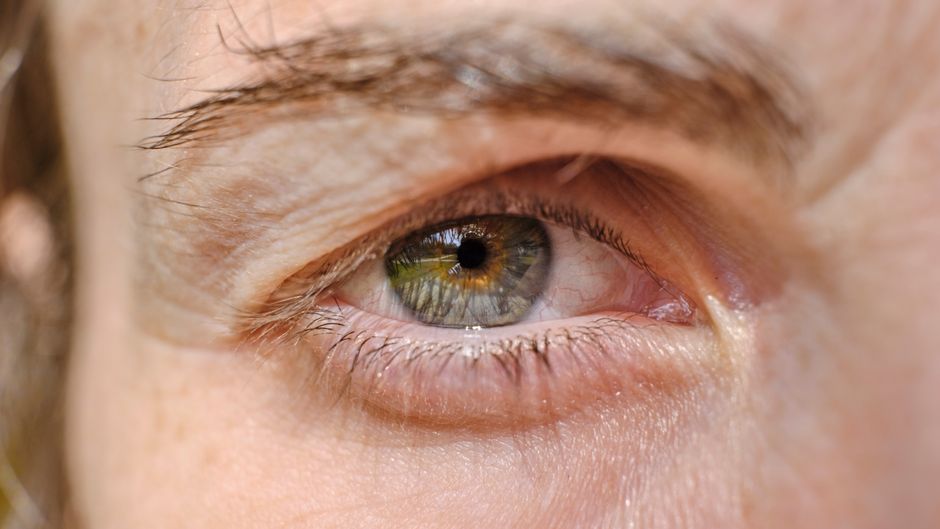
Forehead lines are the horizontal creases that appear across your brow as you age. They form because the skin on your forehead is thin, and it folds every time you raise your eyebrows. Over time, those repeated folds become permanent grooves. The fix depends on the depth of the lines, your skin type, and how much you are willing to invest in treatments. Topical retinoids and sunscreen are the most evidence-backed first steps, while injectables and procedures offer faster results for deeper lines.
What Causes Fine Lines On Forehead And How To Fix Them?
Your forehead skin is anchored to the muscle below it. Every facial expression — surprise, worry, skepticism — pulls that skin into folds. In youth, the skin springs back because it has plenty of collagen and elastin. As you age, your body produces less collagen, and the existing collagen fibers become stiffer and less organized. The skin loses its bounce, and the temporary folds start to leave a mark.
Sun exposure is the single biggest external driver of this process. Ultraviolet light breaks down collagen and elastin fibers directly. It also generates free radicals that damage skin cells. Studies consistently show that people with high lifetime sun exposure develop more forehead lines earlier than those who protect their skin. Smoking has a similar effect because it restricts blood flow to the skin and introduces toxins that accelerate collagen breakdown.
Genetics also matter. Some people inherit skin that produces collagen efficiently for longer. Others inherit thinner skin or a tendency toward dryness, both of which make lines more visible. You cannot change your genetics, but you can influence how quickly the visible signs of aging appear.
How Do Forehead Lines Differ From Wrinkles Elsewhere?
Forehead lines are dynamic wrinkles. That means they are caused by muscle movement. They are different from static wrinkles, which are visible even when your face is completely relaxed. A deep forehead line that stays visible at rest is a static wrinkle that started as a dynamic one.
This distinction matters for treatment. Dynamic lines respond well to treatments that relax the muscle, such as botulinum toxin injections. Static lines need treatments that rebuild or plump the skin itself, such as fillers, lasers, or retinoids. Many people have a mix of both — lines that are faint at rest but deepen when they raise their brows.
Another difference is location. Forehead skin is exposed to the sun nearly every day of your life, unlike skin under your chin or on your upper eyelids. That constant exposure means photodamage plays a larger role in forehead lines than in wrinkles in protected areas.
What Daily Habits Actually Prevent Forehead Lines?
Sun protection is the foundation. Use a broad-spectrum sunscreen with SPF 30 or higher every day, even when it is cloudy. Reapply every two hours if you are outdoors. Sun damage is cumulative, and it cannot be fully reversed once it happens. Prevention is the only truly effective strategy.
Retinoids are the most studied topical ingredient for preventing and reducing fine lines. Over-the-counter retinol is a good starting point. Prescription-strength tretinoin has stronger evidence but requires a doctor’s guidance. Both work by accelerating cell turnover and stimulating collagen production. Results take three to six months of consistent use, and they are modest — retinoids reduce fine lines, but they do not erase deep wrinkles.
Moisturizers help in a smaller way. They do not rebuild collagen, but well-hydrated skin reflects light better, which makes lines less noticeable. Look for ingredients like hyaluronic acid, glycerin, or ceramides. These draw water into the skin or help it retain moisture.
Sleep position can contribute to forehead lines in some people. Pressing your face into a pillow every night creates repeated pressure folds. Side and stomach sleepers tend to develop more facial lines on the side they sleep on. This is a minor factor compared to sun and muscle movement, but it is worth noting if you are trying to maximize your efforts.





Which Professional Treatments Have Real Evidence?
Botulinum toxin injections, commonly known by brand names like Botox or Dysport, are the most effective treatment for dynamic forehead lines. The injection temporarily relaxes the muscle that pulls the skin into folds. When the muscle stops moving, the skin stops creasing, and the existing lines soften. The effect lasts roughly three to four months, then the muscle regains function and repeat injections are needed.
Dermal fillers are used for deeper static lines. These are gel-like substances injected under the wrinkle to lift and plump the skin. Hyaluronic acid fillers are the most common type. Results are immediate but temporary, lasting anywhere from six to eighteen months depending on the product and the individual.
Laser resurfacing and microneedling work by creating controlled injury to the skin, which triggers a healing response that produces new collagen. Fractional lasers are the most studied for wrinkle reduction. Multiple sessions are usually needed, and recovery time varies from a few days to a couple of weeks. Results develop gradually over several months as the new collagen forms.
Chemical peels remove the outermost layer of skin, revealing fresher skin underneath. Light peels have minimal downtime but produce subtle results. Deeper peels are more effective but carry higher risks of pigmentation changes and scarring. Peels are generally less effective than lasers for deep forehead lines.
What Does The Evidence Say About Anti-Aging Skincare Ingredients?
Vitamin C is a common ingredient in anti-aging products. It is an antioxidant that neutralizes free radicals before they can damage collagen. Some research suggests topical vitamin C can improve the appearance of fine lines when used consistently for several months. The evidence is strongest for vitamin C combined with sunscreen, not as a standalone treatment.
Peptides are short chains of amino acids that some products claim stimulate collagen production. The evidence is mixed. Some small studies show modest improvements in fine lines, while others show no benefit over placebo. Peptides are not harmful, but they are not a substitute for retinoids or sun protection.
Growth factors are a newer category. These are proteins that signal skin cells to divide and produce collagen. Some clinical studies show improvement in fine lines after several months of use. The products are expensive, and the long-term effects are not well studied.
Be cautious with products that promise dramatic results. No topical cream can eliminate deep wrinkles. The marketing language around anti-aging skincare far outpaces the clinical evidence. If a product sounds too good to be true, it probably is.
Lifestyle Factors That Accelerate Forehead Aging
Chronic stress shows up on your face. Stress hormones like cortisol can break down collagen over time, and stress often leads to repeated facial tension — furrowing your brow, clenching your jaw, squinting. These habits deepen expression lines faster than normal facial movement.
Poor sleep is linked to reduced skin barrier function and slower recovery from environmental damage. During deep sleep, your body repairs damaged cells, including skin cells. Consistently getting less than seven hours of sleep can make existing lines look more pronounced, though it does not directly cause new wrinkles.
Diet plays a supporting role. A diet high in refined sugar can lead to a process called glycation, where sugar molecules bind to collagen and make it stiff and brittle. The clinical evidence for glycation as a major driver of visible skin aging is still emerging. Eating a balanced diet with adequate protein and vegetables supports skin health, but no specific food has been proven to erase wrinkles.
Dehydration makes lines more visible in the short term. When skin lacks water, it looks dull and crepey. Drinking enough water helps maintain skin hydration, but it does not prevent collagen loss. The effect of hydration on wrinkles is temporary and cosmetic, not structural.
What Is The Best Approach For Your Specific Situation?
Start with the basics. Daily sunscreen, a retinoid at night, and a moisturizer are the foundation for any anti-aging routine. Give this combination three months before judging results. If your lines are faint and only visible when you raise your eyebrows, this may be all you need.
If your lines are visible at rest, consider professional treatments. Botulinum toxin is the first-line option for dynamic lines. For static lines, a combination approach often works best — botulinum toxin to stop the muscle movement, plus a filler or laser to address the existing groove.
Set realistic expectations. No treatment completely erases deep forehead lines. The goal is to soften them so they are less noticeable. Results vary widely between individuals based on skin thickness, age, and how your body responds to treatment.
If you are considering any procedure, consult a board-certified dermatologist or plastic surgeon. They can assess your skin and recommend a treatment plan based on your specific anatomy. Avoid medspas or practitioners who push expensive packages without a thorough evaluation.
Frequently Asked Questions
Can forehead lines go away naturally?
No, established forehead lines do not disappear on their own. They can soften with consistent use of retinoids and sunscreen, but deep lines require professional treatment to significantly improve.
At what age do forehead lines start to appear?
Fine lines can begin in the late twenties to early thirties, when collagen production starts to decline. Visible static lines typically develop in the forties or fifties, depending on sun exposure and genetics.
Is Botox the only effective treatment for forehead lines?
No, Botox is highly effective for dynamic lines caused by muscle movement, but fillers, lasers, and microneedling also have evidence for treating static lines. Many people use a combination of treatments for best results.
Do forehead lines mean you are aging faster?
No, forehead lines are a normal part of aging that varies widely between individuals. They are influenced by genetics, sun exposure, and facial expressions, not just chronological age.
