
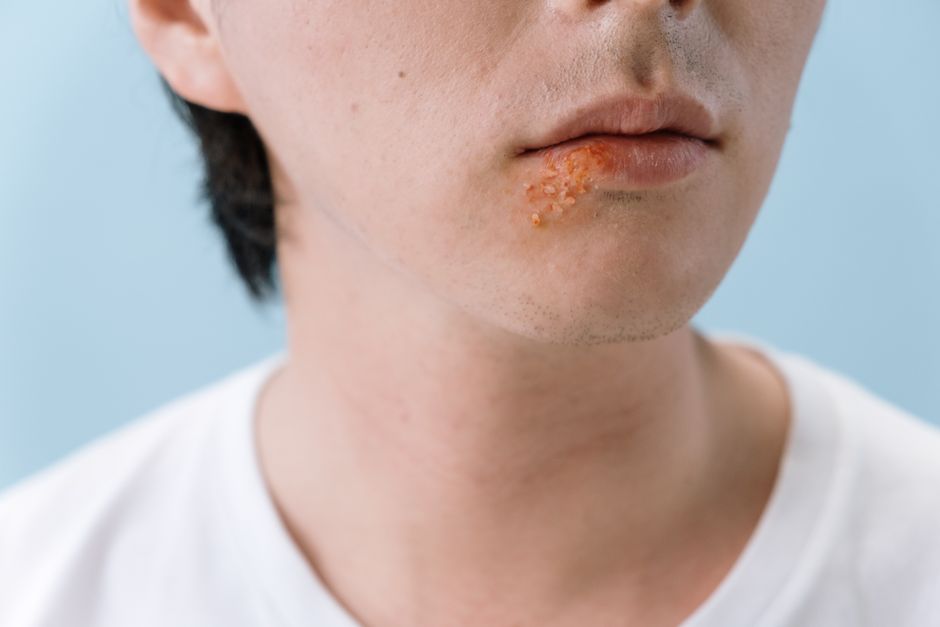
If you notice a cluster of small, painful blisters or open sores on your lips, genitals, or rectum, that is the classic sign of a herpes outbreak. Most people also feel a tingling, burning, or itching sensation in that spot before anything visible appears. The first outbreak tends to be the worst, with flu-like symptoms like fever and swollen glands, while later outbreaks are usually milder and shorter.
Herpes is a common viral infection, and the way it shows up can differ a lot from one person to the next. Some people get clear, repeated outbreaks. Others carry the virus and rarely or never notice symptoms. Knowing what to look for helps you recognize an outbreak early and get the right care.
What Does a Herpes Outbreak Actually Feel Like?
Most outbreaks start with a warning sensation before you can see anything. People describe tingling, itching, burning, or a dull ache in the skin. This early phase is called the prodrome, and it usually lasts from a few hours to a day or two. It happens because the virus is waking up in nerve cells and traveling back to the skin surface.
Then visible signs appear. These typically include:
- Small, fluid-filled blisters that may cluster together
- Sores that break open and form a shallow, painful ulcer
- A crust or scab as the sore begins to heal
- Swollen, tender lymph nodes nearby
- Pain or burning when urinating, if sores are near the genitals
The first outbreak is often the most intense. It can come with fever, body aches, headache, and swollen glands in the groin or neck. Sores may take two to four weeks to fully heal. Later outbreaks are usually milder, heal faster, and sometimes produce only a small sore or two.
One detail that surprises many people: you can spread the virus even when you have no sores and no symptoms. This is called asymptomatic shedding, and it is one of the main reasons herpes passes between people who never realized either partner had it.
How Do I Know If Im Having a Herpes Outbreak vs. Something Else?
Many skin conditions can look like a herpes outbreak, so appearance alone is not a reliable way to tell. That is why testing matters. Cold sores around the mouth are usually caused by herpes simplex virus type 1 (HSV-1), while genital sores are more often caused by HSV-2, though either type can appear in either location.
Conditions that can be mistaken for herpes include:
- Ingrown hairs — usually a single tender bump, not a cluster of blisters
- Pimples or folliculitis — centered on a hair follicle, often with pus
- Syphilis — a single painless sore, which is a key difference from the painful blisters of herpes
- Chancroid — a painful ulcer, but caused by a different bacterium
- Yeast infections or irritation — itching and discharge without blisters
The pattern and feel of the sores offer clues. Herpes blisters tend to be grouped, painful, and preceded by that tingling warning. A single painless sore is more suspicious for syphilis. But these differences are not foolproof, and a visual exam by a clinician is not enough on its own to confirm herpes.
If you are unsure what you are looking at, get it swabbed while the sore is still present. A swab test taken directly from an active sore is the most accurate way to confirm a herpes outbreak.
How Is a Herpes Outbreak Diagnosed?
Doctors confirm herpes in a few different ways, and the right test depends on whether you currently have sores.
If you have an active sore, a swab of the sore is the preferred test. It looks for the virus’s genetic material and can tell HSV-1 and HSV-2 apart. Swabbing works best within the first day or two of a sore appearing, before it starts to heal.
If you have no sores at the time of your visit, a blood test can check for antibodies to the virus. Blood tests can show whether you have been exposed to HSV-1 or HSV-2 at some point. They cannot tell you when you were infected or whether a specific sore is herpes. Antibodies also take time to develop, so a blood test soon after a possible exposure may not be accurate yet.
One limitation worth knowing: blood tests for HSV-1 are not always reliable, and results can be unclear. A clinician may recommend repeat testing or a different approach if results are borderline. The most reliable confirmation of an active outbreak comes from a swab of a fresh sore.




What Triggers a Herpes Outbreak?
The virus that causes herpes never fully leaves the body. After the first infection, it settles into nerve cells and stays there, usually quiet. An outbreak happens when the virus reactivates and travels back to the skin.
Common triggers for reactivation include:
- Physical or emotional stress
- Illness, fever, or a weakened immune system
- Fatigue and lack of sleep
- Sun exposure or sunburn, especially for cold sores
- Hormonal changes, including menstruation
- Skin irritation or injury in the affected area
- Surgery or physical trauma
These triggers are widely reported by people who get recurrent outbreaks, though research on exactly how much each one contributes is mixed. Not everyone has identifiable triggers, and outbreaks can also appear with no clear cause. Over time, many people find their outbreaks become less frequent and less severe.
When Should You See a Doctor?
See a doctor if you have sores in the genital or rectal area, especially with pain, fever, or trouble urinating. Genital sores have several possible causes, and getting an accurate diagnosis matters for both treatment and for protecting partners.
Seek care promptly if you:
- Have a first-time outbreak with fever and widespread sores
- Have severe pain or difficulty urinating
- Are pregnant or planning to become pregnant
- Have a weakened immune system
- Notice sores that are not healing or are getting worse
Pregnancy deserves special attention. Herpes can pass to a newborn during delivery, and this can be serious. If you are pregnant and have a history of genital herpes, tell your care team. Clinicians have established ways to manage this, and early communication helps protect the baby.
Antiviral medications can shorten outbreaks and reduce how often they happen. They work best when started early, ideally within the first day of symptoms. This is another reason to recognize the warning signs and act quickly rather than waiting to see if sores develop.
Can You Prevent Herpes Outbreaks and Spread?
You cannot cure herpes, and no vaccine is currently available. But there are steps that reduce outbreaks and lower the chance of passing the virus on.
Antiviral medication taken daily, called suppressive therapy, can reduce how often outbreaks occur and lower the risk of transmission to partners. This is a well-established approach, though it does not eliminate the risk entirely. Condoms reduce transmission risk but do not remove it, because the virus can shed from skin that a condom does not cover.
Other steps that may help:
- Avoid sexual contact when you have sores or feel an outbreak coming on
- Use condoms consistently
- Manage stress and get enough sleep
- Use sun protection on your lips if sun triggers your cold sores
- Tell partners about your status so you can make decisions together
It is worth being honest about what is not proven. Many products marketed for “outbreak prevention” have no solid clinical evidence behind them. Lysine supplements are sometimes used for cold sores, but study results have been mixed and inconsistent. If a product promises to stop outbreaks, treat that claim with caution.
Frequently Asked Questions
How soon after exposure do herpes symptoms appear?
For a first outbreak, symptoms usually appear about two to twelve days after exposure, though this varies. Many people never develop noticeable symptoms at all.
Can you have a herpes outbreak without visible sores?
Yes, the virus can shed from the skin with no sores and no symptoms. This is why herpes can spread between people who never knew either partner was infected.
How long does a herpes outbreak last?
A first outbreak often takes two to four weeks to heal fully. Later outbreaks are usually milder and clear up faster, often within about a week.
Is a herpes outbreak always painful?
Not always. First outbreaks tend to be painful, but later ones can be mild or nearly unnoticed. Some people only feel a brief tingling with no visible sore.
