
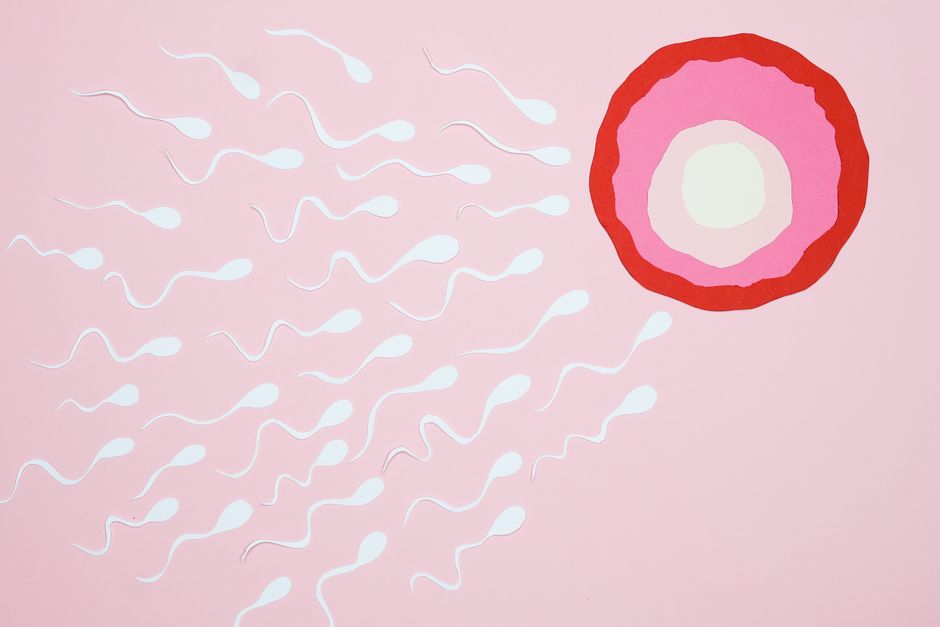
Fertilization is not a simple collision between two cells. It is a sequence of molecular recognition steps, and failure at any one of them can stop a sperm from ever reaching or fusing with an egg. When people talk about eggs and sperm being “incompatible,” they are usually describing one of several distinct problems: a sperm that cannot swim or bind properly, an egg with a protective shell that resists penetration, an immune reaction that attacks sperm, or a genetic mismatch in the proteins that allow the two cells to lock together. These are different mechanisms with different causes, and lumping them into a single idea of “incompatibility” hides more than it explains.
What Causes Egg And Sperm To Be Incompatible?
True incompatibility usually comes down to a failure in one of three areas: sperm quality and function, the egg’s outer barriers, or the molecular handshake that lets a sperm bind and fuse with the egg. Sometimes the immune system is involved, and sometimes the problem is genetic.
The most common practical barrier is sperm that cannot reach the egg in the first place. Sperm need to swim through cervical mucus, into the uterus, and up the fallopian tube. Problems with sperm count, movement, or shape reduce the odds that any sperm arrives. A blockage in the reproductive tract, or scar tissue in the fallopian tubes, can prevent the meeting entirely.
A second barrier is the egg itself. The egg is surrounded by a glycoprotein shell called the zona pellucida. Sperm must bind to this shell and penetrate it. If the sperm lacks the right surface proteins, or the zona is unusually resistant, binding fails.
A third barrier is immune. The immune system can produce antibodies that attach to sperm and impair their movement or their ability to bind to the egg. This is one recognized cause of infertility, though it is not common.
How Does The Molecular Handshake Between Sperm And Egg Work?
Fertilization depends on specific proteins fitting together, much like a lock and a key. When those proteins do not match, the sperm cannot attach even if it reaches the egg.
On the sperm surface, a protein called IZUMO1 is required for fusion with the egg membrane. On the egg surface, a protein called Juno (also known as FOLR4) acts as its binding partner. Research has identified this pairing as central to the fusion step. If either protein is missing or altered, fusion can fail.
Before fusion, the sperm must first get through the zona pellucida. A sperm protein called PH-20 helps it bind to and penetrate this layer. The egg’s zona contains proteins that sperm recognize. When these recognition systems work, the sperm penetrates and reaches the egg membrane. When they do not, the sperm may swim around the egg without ever attaching.
This is the part of “incompatibility” that is genuinely molecular. It is not about two people being a bad match in some general sense. It is about whether specific proteins on one cell can physically engage with proteins on the other.
Can The Immune System Make Sperm And Egg Incompatible?
Yes. Anti-sperm antibodies are a documented cause of impaired fertility, though the evidence for how often they are the main problem is limited.
Antibodies can attach to the sperm’s surface and interfere in a few ways. They can clump sperm together, slow their movement, or block the proteins sperm need to bind to the egg. In men, antibodies can form after injury, infection, or surgery in the reproductive tract, including vasectomy. In women, antibodies can form in cervical mucus and attack sperm as they pass through.
Testing for anti-sperm antibodies exists, but its usefulness is debated. Some clinicians order it when other causes are ruled out. Others consider it of limited value because treatment options are narrow. The evidence here is mixed, and a positive test does not always mean antibodies are the reason a couple cannot conceive.





Is Incompatibility The Same As Infertility?
No, and this distinction matters. Infertility is a broad term for not conceiving after a year of regular unprotected sex. Incompatibility is one possible reason within that category, and often not the main one.
When a couple struggles to conceive, the causes are frequently identifiable and often treatable. Common factors include:
- Low sperm count or poor sperm movement
- Blocked or damaged fallopian tubes
- Problems with ovulation
- Endometriosis or uterine conditions
- Age-related decline in egg quality and number
- Hormonal imbalances
In many cases, more than one factor is present. A diagnosis of “incompatibility” alone is unusual. Most fertility evaluations find a specific, nameable issue rather than a vague mismatch between two cells.
Can A Genetic Mismatch Stop Fertilization?
Genetic factors can play a role, but the picture is more complex than a simple mismatch between two people.
Some cases of failed fertilization involve problems with the sperm’s DNA, such as fragmentation, where the genetic material inside the sperm is damaged. High levels of DNA fragmentation are associated with lower fertilization rates. This is not incompatibility between the egg and sperm in a matching sense. It is a problem with the sperm’s internal quality.
There are also rare genetic conditions that affect the proteins involved in fusion. If a man lacks functional IZUMO1, for example, his sperm may be unable to fuse with an egg at all. This is extremely rare. In these cases, the problem is not that the egg rejects the sperm. It is that the sperm lacks the tool needed to complete fusion.
Some research suggests that certain combinations of egg and sperm surface proteins may be less efficient at binding. The evidence for this in humans is limited, and it is not well established as a common cause of infertility.
What Does “Incompatibility” Look Like In Real Life?
In practice, most people who are told their egg and sperm are “incompatible” are dealing with one of a few specific situations.
In IVF, fertilization can fail even when sperm and eggs are placed together in a dish. This is called total fertilization failure. It happens in a minority of IVF cycles. When it does, it often points to a problem with sperm function, egg quality, or a defect in the fusion process. It does not necessarily mean the same failure would happen in every future cycle.
Another situation is when sperm cannot penetrate cervical mucus. Mucus quality changes through the cycle, and in some women it is hostile to sperm at all times. This is a physical barrier rather than a molecular mismatch.
Sometimes the term is used loosely when no clear cause is found. That can be frustrating, but it does not mean the situation is hopeless or unexplained in a permanent way. It often means the available tests have not identified the specific mechanism.
Can Anything Be Done About It?
Treatment depends entirely on the underlying cause, which is why identifying the mechanism matters more than accepting a vague label.
If the problem is sperm count or movement, options include lifestyle changes, medication in specific cases, or assisted reproduction. If the problem is blocked tubes, surgery may help, or IVF can bypass the tubes entirely. If the problem is failed fertilization in IVF, a technique called intracytoplasmic sperm injection (ICSI) can be used. In ICSI, a single sperm is injected directly into the egg, bypassing the need for the sperm to penetrate the zona or fuse on its own.
ICSI does not fix every case. If the egg itself cannot support fertilization, or if there is a fundamental problem with the egg’s activation after sperm entry, ICSI may not succeed. This is why a full fertility evaluation matters before assuming any single treatment will work.
No treatment is guaranteed. Outcomes vary widely based on age, the specific diagnosis, and other health factors. Anyone considering treatment should get individualized guidance from a reproductive specialist rather than relying on general information.
Frequently Asked Questions
Can egg and sperm be incompatible even if all tests are normal?
Yes, this can happen, particularly when the problem is at the molecular level of binding or fusion, which standard fertility tests do not directly measure. In these cases, the cause may only become clear during IVF when fertilization fails unexpectedly.
Does sperm allergy exist?
Some women develop antibodies against sperm, which can impair sperm movement or binding, but this is not a true allergy in the typical sense. It is an immune response that can affect fertility, and it is not common.
Can two people be genetically incompatible for pregnancy?
There is no established evidence that two healthy people are broadly “genetically incompatible” in a way that prevents pregnancy. Specific rare gene variants affecting sperm-egg fusion proteins can cause fertilization failure, but this is uncommon and not a general compatibility issue between partners.
Does ICSI work if sperm and egg cannot fuse on their own?
ICSI can bypass the fusion step by injecting sperm directly into the egg, and it is often used when fertilization fails for this reason. However, it does not overcome every cause of failed fertilization, especially problems originating in the egg itself.
