
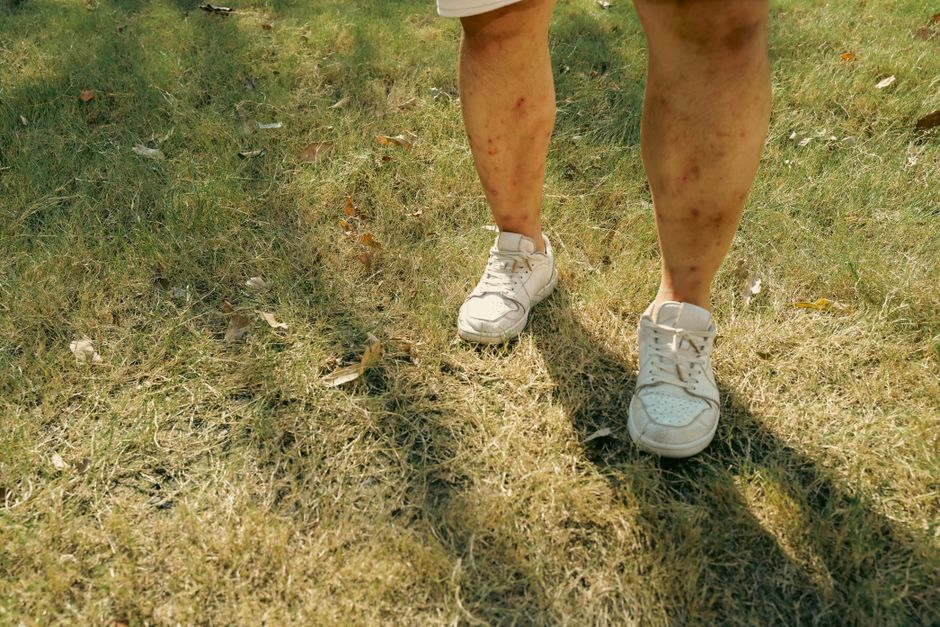
A deep vein thrombosis in your calf happens when a blood clot forms in one of the deep veins running through the lower leg. Three things drive most cases: sluggish blood flow, injury to the vein wall, or blood that clots more easily than normal. Doctors call this trio Virchow’s triad, and nearly every risk factor for calf DVT works through one of those three pathways.
What makes calf DVT worth understanding is that it can be quiet. Some people have obvious swelling and pain. Others have no symptoms at all until the clot breaks loose and travels to the lungs, a complication called pulmonary embolism. Knowing the causes helps you recognize when leg symptoms deserve a call to a doctor rather than a wait-and-see approach.
What Causes DVT in Your Calf Common Risk Factors?
Blood in your leg veins has to travel upward against gravity back to the heart. When that return flow slows, blood can pool and clot. When the vein wall is damaged, clotting factors activate at the injury site. When the blood itself is thicker or more prone to clotting, even normal flow may not be enough to prevent a clot.
Most risk factors fit into one of these three categories, and many people have more than one at the same time.
Slowed blood flow
- Long periods of immobility. Sitting for many hours on a plane, car, or at a desk keeps calf muscles from pumping blood upward. This is one of the most commonly cited triggers.
- Bed rest or hospitalization. Illness and recovery often mean lying still for days, which allows blood to pool in the deep veins.
- Leg paralysis or casting. A limb that cannot move loses the muscle pump that normally pushes venous blood along.
- Heart failure. When the heart pumps less effectively, blood returning from the legs can back up and move more slowly.
Damage to the vein wall
- Surgery, especially orthopedic surgery. Hip and knee replacement and major leg surgery are well-documented triggers for DVT.
- Major trauma. Injuries to the leg or pelvis can injure veins directly.
- Intravenous catheters and injections. Anything that irritates or injures a vein lining can start a clot.
- Previous DVT. A vein that has already had a clot may be scarred and narrowed, raising the odds of another one.
Blood that clots too easily
- Inherited clotting disorders. Conditions such as factor V Leiden and prothrombin gene mutations make blood more prone to clotting. These are genetic and present from birth.
- Cancer and cancer treatment. Some cancers and some chemotherapy drugs raise clotting risk.
- Hormones. Estrogen-containing birth control, hormone replacement therapy, and pregnancy all shift the balance toward clotting.
- Older age. Risk rises with age, though DVT can occur at any age.
- Obesity. Excess body weight is associated with higher DVT risk through several mechanisms, including increased pressure on leg veins.
- Smoking. Smoking affects blood vessel function and clotting in ways that raise risk.
How Does Sitting or Travel Raise Your Risk?
When you sit still for hours, your calf muscles stop contracting. Those muscles normally act as a pump, squeezing the deep veins and pushing blood back toward the heart. Without that action, blood can stagnate in the calf veins.
This is why long-haul travel is often mentioned as a DVT trigger. The risk is real but modest for most healthy people. The longer the trip and the more risk factors you already have, the more that risk climbs. Getting up to walk, flexing your ankles, and staying hydrated are commonly recommended steps, though the strength of evidence for each specific measure varies.
Hospitalization poses a bigger risk than most flights. Studies have found that a large share of DVT cases are linked to recent hospital stays or surgery. This is why hospitals often start preventive measures like compression and blood thinners for patients at higher risk.
Is Calf DVT Different From a Calf Muscle Strain?
Calf DVT and a pulled muscle can feel similar, which is part of what makes the condition easy to miss. Both can cause pain, tenderness, and swelling in the lower leg. The difference is what’s happening underneath.
A muscle strain is an injury to muscle fibers. A DVT is a clot inside a deep vein. A clot can grow, block blood flow, and break loose. A strain cannot.
Signs that point more toward DVT include swelling in one leg (not both), warmth, redness, and pain that worsens when you stand or walk. But these signs are not reliable enough to tell the two apart on your own. If you have unexplained calf pain or swelling, especially with risk factors, medical evaluation is the safe move.




Can You Have a Calf DVT Without Knowing It?
Yes. A significant portion of DVTs cause no obvious symptoms. This is why the condition is sometimes called a silent threat. The clot may sit quietly in a calf vein and either dissolve on its own or remain without causing trouble.
The danger is when part of the clot breaks free. It can travel through the bloodstream to the lungs and block blood flow there. This is a pulmonary embolism, and it can be life-threatening. Symptoms include sudden shortness of breath, chest pain that worsens with deep breaths, rapid heart rate, and coughing up blood. These are emergency symptoms.
Not every calf DVT leads to a pulmonary embolism, and many are caught and treated before anything travels. But the possibility is why doctors take calf DVT seriously even when symptoms seem mild.
Which Risk Factors Matter Most?
No single factor tells the whole story. Risk comes from the combination of what you were born with, what you’ve been through, and what you’re doing now. Some factors are fixed, like age and genetics. Others are temporary, like a recent surgery or a long flight.
The highest-risk situations tend to involve more than one factor at once. A person with an inherited clotting disorder who has major surgery and then spends days in bed has stacked several risks together. That stacking is what doctors look for when deciding who needs preventive treatment.
Some risk factors are well established and supported by decades of research. Others are debated or based on smaller studies. When in doubt, the most useful thing you can do is tell your doctor about your full picture, including family history, medications, recent travel, and surgeries.
When Should You Get Calf Symptoms Checked?
Get medical attention for new swelling in one leg, calf pain that doesn’t have an obvious cause, warmth or redness in the leg, or pain that gets worse when you walk or stand. If you have shortness of breath, chest pain, or a rapid heartbeat along with leg symptoms, seek emergency care right away.
Do not massage a leg you suspect may have a DVT. There is a theoretical concern that massage could dislodge a clot, and it is generally advised against until a clot has been ruled out. This is a precaution based on the mechanism of how clots travel, not on strong trial evidence, but it is widely recommended because the potential harm is serious.
Diagnosis usually involves an ultrasound of the leg veins. This test can show whether a clot is present and where it sits. Treatment typically involves blood-thinning medication, and in some cases other interventions. The specifics depend on the clot’s size, location, and your overall health.
Frequently Asked Questions
What is the most common cause of DVT in the calf?
The most common underlying causes are slowed blood flow from immobility, damage to the vein wall, and blood that clots more easily than normal. Most cases involve a combination of these factors rather than a single cause.
Can a calf DVT go away on its own?
Some small calf clots do dissolve without treatment, but there is no reliable way to know in advance which ones will. Because an untreated clot can travel to the lungs, medical evaluation and treatment are generally recommended.
Does long-distance travel really cause DVT?
Long periods of sitting still do raise the risk, especially on trips lasting many hours, but the added risk for most healthy people is modest. The risk is higher for people who already have other risk factors like a clotting disorder or recent surgery.
How do I know if my calf pain is a blood clot or a muscle strain?
You cannot reliably tell the difference on your own, because both can cause pain, swelling, and tenderness. Swelling in just one leg, warmth, and redness point more toward a clot, but only a medical test like an ultrasound can confirm it.
