
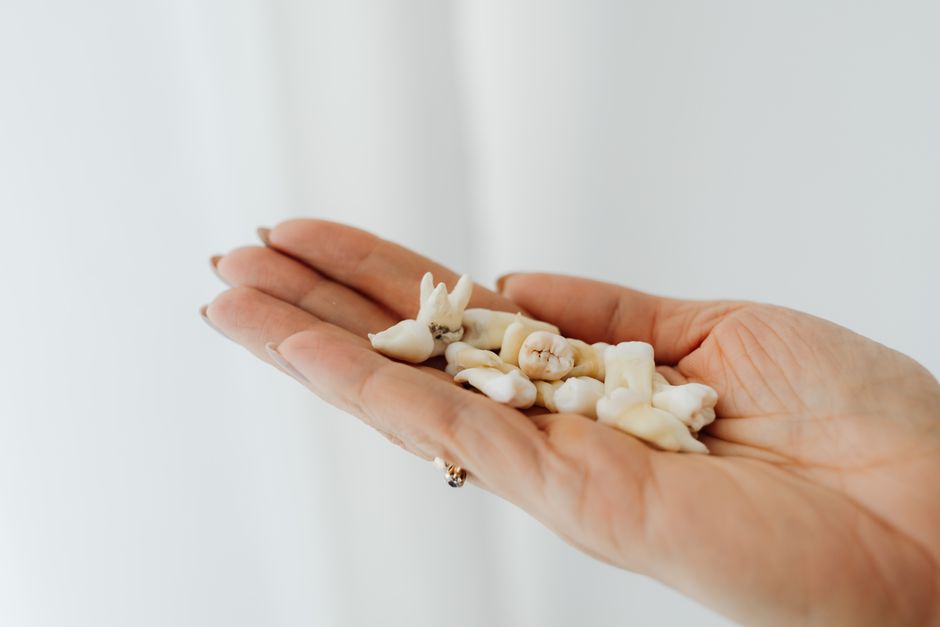
A tooth changing color is rarely an emergency, but it always deserves attention. The color shift is a signal from your body that something has changed inside your mouth. The most common causes are staining from food and drink, plaque buildup, tooth decay, trauma, and certain medications. Each cause has a different color signature, which means the shade of your tooth can give you a strong clue about what is happening underneath the surface.
Why Is My Tooth Changing Color Common Causes? The Reason
The reason your tooth is changing color depends on where the discoloration starts. External stains sit on the enamel surface. Internal discoloration starts inside the dentin, the layer beneath the enamel. The distinction matters because external stains are often reversible with better hygiene or professional cleaning, while internal changes may require dental treatment.
External stains typically come from food, drinks, and tobacco. Coffee, tea, red wine, and dark berries contain pigments called chromogens that attach to enamel. Tobacco tar and nicotine leave yellow and brown deposits. These stains build gradually, and they respond well to professional scaling and polishing.
Internal discoloration is different. It happens when the dentin darkens or when the nerve inside the tooth dies. Trauma is a leading cause. A fall, a sports injury, or even repeated clenching can damage the blood supply to the tooth. When the nerve dies, the tooth often turns gray, dark brown, or black over days or weeks. This is not a cosmetic issue. A dead nerve can become infected, and the tooth may need root canal treatment.
What Does Each Tooth Color Mean?
Tooth color is a diagnostic clue, not a definitive diagnosis. But certain colors point to certain problems.
- Yellow or brown: Usually surface staining from food, coffee, tea, or tobacco. It can also signal thinning enamel. As enamel wears away, the yellow dentin underneath shows through.
- White spots: Often early decay or fluorosis. White spots can also appear after orthodontic treatment when brackets protected parts of the enamel from plaque.
- Gray or dark: Frequently a sign of nerve death after trauma. The tooth may be non-vital and require treatment.
- Black: Advanced decay or severe staining. If the black area is a cavity, it needs a filling or crown.
- Pink or red: This is less common. It can indicate internal resorption, where the body’s own cells break down the tooth structure from the inside.
These color patterns are general guidelines. Only a dentist can tell you with certainty what is happening inside your tooth.
Tooth Decay and Cavities
Decay is one of the most common reasons a tooth changes color. When bacteria in plaque feed on sugars, they produce acid that dissolves enamel. The first visible sign is often a white spot. As the decay progresses, the area turns brown or black.
The color change happens because the enamel loses minerals. This process is called demineralization. At the white spot stage, the damage can sometimes be reversed with fluoride and improved brushing. Once the enamel breaks down into a cavity, the tooth will not heal on its own. It needs a filling.
If a cavity goes untreated, the decay reaches the inner layer of the tooth where the nerve lives. At that point, the tooth may hurt, become sensitive to hot and cold, and darken in color. The darkening occurs because the nerve tissue is dying and breaking down.





Trauma and Injury
A blow to the mouth can change a tooth’s color even if the tooth looks fine at first. The impact can rupture blood vessels inside the pulp, the soft tissue containing the nerve and blood supply. Blood leaks into the dentin and breaks down, turning the tooth pink, gray, or dark brown.
This color change can happen immediately or appear weeks later. In children, a tooth that takes a hard knock may darken temporarily and then lighten again as the body heals. In adults, permanent darkening usually means the nerve has died.
A dead nerve does not always cause pain. Many people discover the discoloration only when they look in the mirror. But a dead nerve is a serious issue. Bacteria can enter the pulp chamber and cause an abscess, which is a pocket of infection at the root tip. If you notice a tooth darkening after any kind of injury, see a dentist promptly. Delaying treatment increases the risk of infection and tooth loss.
Medications and Medical Conditions
Some medications can affect tooth color, especially when taken during childhood while teeth are still forming. Tetracycline antibiotics are the best-known example. When given to children under eight years old, tetracycline can bind to calcium in developing teeth and cause permanent gray or brown bands. For this reason, these antibiotics are not prescribed to young children or pregnant women.
Other medications can cause discoloration in different ways. Antihistamines, blood pressure drugs, and some antipsychotic medications have been linked to tooth staining. Iron supplements can leave dark stains, especially in liquid form. Some research also suggests that chlorhexidine mouthwash, used for gum disease, can cause brown staining with long-term use.
Medical treatments can also play a role. Radiation therapy to the head and neck can damage salivary glands, reducing saliva flow. Less saliva means less natural cleaning, which increases the risk of staining and decay. Chemotherapy can similarly dry the mouth and alter the balance of bacteria.
Certain medical conditions affect tooth color from the inside. Liver disease, celiac disease, and some metabolic disorders can cause enamel defects. These conditions are rare compared to staining and decay, but they are part of the picture when a dentist investigates unexplained discoloration.
Aging and Enamel Wear
Teeth naturally darken with age. This is not a disease. It is a normal process that happens for two reasons.
First, enamel gets thinner over decades of chewing, brushing, and exposure to acids. Enamel is translucent. When it thins, the yellow dentin beneath it becomes more visible. Second, dentin itself continues to form throughout life. As new layers of dentin are deposited inside the tooth, the tooth becomes less transparent and appears more yellow or gray.
This age-related change is gradual. It usually becomes noticeable in the forties and fifties. It is not a sign of poor health, and it does not require treatment unless you want to improve the appearance.
How Are Tooth Discoloration Issues Treated?
Treatment depends entirely on the cause. Surface stains from food and tobacco often respond to professional cleaning. A dental hygienist uses an ultrasonic scaler and polishing paste to remove deposits that brushing cannot reach. This is the simplest and most common treatment.
Whitening treatments work best for yellow and brown stains that are still within the enamel. Professional in-office whitening uses a higher concentration of bleaching gel than at-home kits. At-home options include custom trays from your dentist or over-the-counter strips. Whitening does not work on all stains. It does not lighten crowns, veneers, or fillings, and it has little effect on gray teeth from trauma.
For cavities, the treatment is a filling. The dentist removes the decayed tissue and replaces it with composite resin, amalgam, or another restorative material. If the decay is extensive, a crown may be necessary.
For a tooth with a dead nerve, root canal treatment is the standard approach. The dentist removes the dead pulp tissue, cleans the inside of the tooth, and seals it. After a root canal, the tooth often needs a crown to protect it from fracture. The discoloration from a root canal can sometimes be improved with internal bleaching, where a bleaching agent is placed inside the tooth.
If a tooth cannot be saved, extraction is the last option. Missing teeth can be replaced with implants, bridges, or partial dentures.
When Should You See a Dentist?
See a dentist promptly if a tooth changes color after an injury. This is true even if the tooth does not hurt. Pain is not a reliable indicator of nerve damage.
See a dentist soon if a tooth darkens without any known injury. A single darkening tooth often means the nerve is dying, and the cause may be decay that you cannot see or feel.
See a dentist at your next routine visit if you have general yellowing or staining from coffee, tea, or tobacco. This is not urgent, but professional cleaning and whitening can address it.
White spots or early brown spots on teeth should also be checked. They may be early decay that can be treated conservatively before a cavity forms.
The only way to know what is causing your tooth color change is to have a dentist examine it. They can take X-rays to check for decay beneath the surface and test the tooth’s response to temperature and percussion to assess nerve health.
Frequently Asked Questions
Can a tooth change color from coffee even if I brush regularly?
Yes. Coffee contains pigments that bind to enamel over time, and brushing cannot always remove these deposits. Professional cleaning is the most reliable way to remove coffee stains.
Is a gray tooth always dead?
Not always, but it is a strong sign of nerve damage. A gray tooth should be examined by a dentist to determine whether the nerve is still alive.
Can teeth whitening fix a dark tooth from trauma?
Usually not. Standard whitening works on stains within the enamel, not on the internal discoloration caused by a dead nerve. Internal bleaching or a crown may be needed instead.
Do children’s tooth color changes need urgent dental care?
A child’s tooth that darkens after a fall should be seen by a dentist within a few days. Baby teeth can sometimes lighten again, but an adult tooth that darkens is a more serious concern.
