
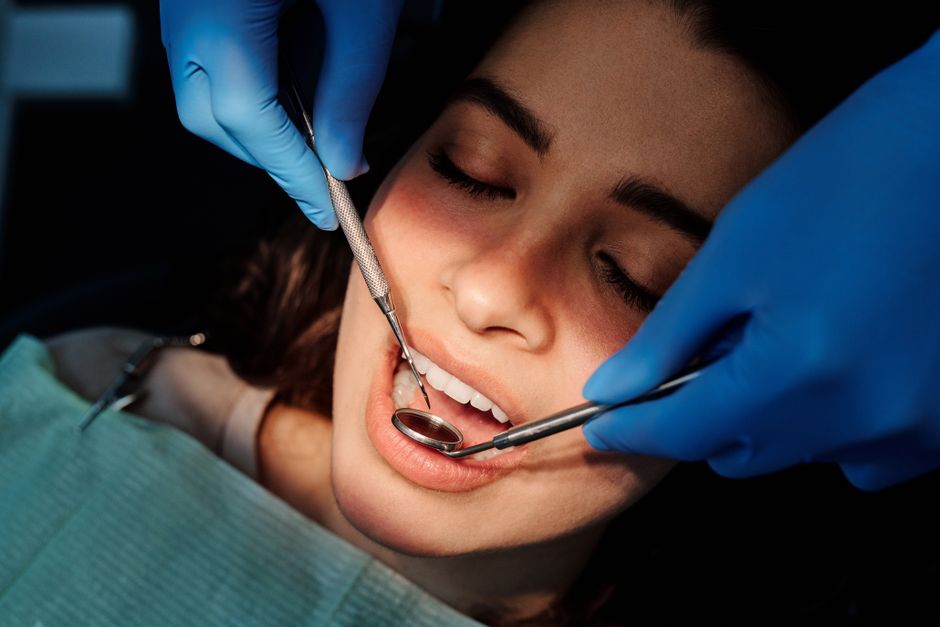
Dry mouth and frequent urination often appear together because both can be traced back to how your body manages fluids and blood sugar. When blood sugar runs high, the kidneys work harder to flush out the excess glucose, pulling water along with it. That extra urine output drains fluid from the body, which leaves the mouth feeling parched. This pairing is a classic sign of diabetes, but it is not the only possible cause.
What Causes Dry Mouth And Frequent Urination?
The most common medical explanation for these two symptoms together is diabetes. In type 1 and type 2 diabetes, glucose builds up in the bloodstream because the body cannot use it properly. The kidneys try to filter out that extra sugar, but they cannot reabsorb all of it. The excess glucose pulls water into the urine, increasing how often you urinate. That fluid loss triggers thirst, and the reduced saliva flow leaves your mouth dry.
This cycle is well documented and is often one of the first clues that leads to a diabetes diagnosis. If you notice both symptoms developing over weeks or months, checking your blood sugar is a reasonable first step. A simple fasting blood test can give you a clear answer.
How Blood Sugar Affects Your Kidneys and Saliva
Your kidneys filter about 50 gallons of blood every day. Normally, they reabsorb nearly all the glucose and water they filter. When blood sugar exceeds a certain level, usually around 180 mg/dL, the kidneys cannot keep up. Glucose spills into the urine, and because sugar attracts water, it takes fluid with it.
That fluid loss is why you feel thirsty. The body senses dehydration and signals you to drink more. But the dry mouth is not just about total body water. High blood sugar also affects the salivary glands directly. Research shows that elevated glucose levels reduce saliva production and change its composition, making the mouth feel sticky and dry even when you are drinking enough.
Other Causes of Dry Mouth and Frequent Urination
Diabetes is the most likely cause when both symptoms appear together, but it is not the only one. Several other conditions can produce a similar pattern.
Medications are a common culprit. Diuretics, sometimes called water pills, are prescribed for high blood pressure and heart failure. They force the kidneys to excrete more urine, which can lead to dehydration and dry mouth. Many antidepressants, antihistamines, and muscle relaxants also reduce saliva production as a side effect.
Kidney disease can cause both symptoms in its later stages. Damaged kidneys lose their ability to concentrate urine, so you produce more of it. They also struggle to maintain fluid balance, which can leave tissues dehydrated even when you are drinking normally.
Hypercalcemia, or high calcium levels in the blood, can increase urine output and cause dry mouth. This is less common but worth considering if other symptoms like fatigue, bone pain, or kidney stones are present.




When to See a Doctor
If you have been experiencing dry mouth and frequent urination for more than a few days, schedule an appointment with your doctor. These symptoms can indicate a condition that needs treatment, and catching it early makes a difference.
Seek medical attention sooner if you also have any of these warning signs:
- Extreme thirst that does not go away no matter how much you drink
- Unexplained weight loss
- Blurry vision
- Fatigue that interferes with daily activities
- Nausea or vomiting
- Fruity-smelling breath
These symptoms together can point to uncontrolled diabetes or another metabolic issue. In some cases, especially with fruity breath and nausea, they can indicate diabetic ketoacidosis, which is a medical emergency.
Simple Steps to Manage Symptoms at Home
While you wait for a medical evaluation, you can take steps to feel more comfortable. These measures do not treat the underlying cause, but they can reduce the discomfort.
Drink water regularly throughout the day rather than waiting until you feel thirsty. Sipping small amounts frequently is easier on the stomach than drinking large glasses at once. Carry a water bottle with you and set reminders if needed.
Sugar-free hard candies or gum can stimulate saliva production. Look for products sweetened with xylitol, which has been shown to help with dry mouth. Chewing is a natural signal to the salivary glands to produce more saliva.
Limit caffeine and alcohol. Both are mild diuretics, meaning they increase urine output. If you are already losing fluid through frequent urination, adding caffeine or alcohol can make the dehydration worse.
Check your mouth for signs of dryness. Cracked lips, a sticky tongue, or sores inside the mouth can indicate that the dryness is severe. A humidifier in your bedroom can help, especially if you breathe through your mouth at night.
Testing and Diagnosis
Your doctor will likely start with a few basic tests to determine what is causing your symptoms. A fasting blood glucose test measures your blood sugar after you have not eaten for at least eight hours. A normal fasting glucose is between 70 and 99 mg/dL. A reading of 126 mg/dL or higher on two separate tests indicates diabetes.
An A1C test gives a broader picture. It measures your average blood sugar over the past two to three months. An A1C of 6.5 percent or higher confirms diabetes. This test does not require fasting, so it can be done at any time of day.
Your doctor may also order a urinalysis. This checks for glucose, protein, and other substances in your urine. The presence of glucose in urine is a strong indicator that blood sugar levels have been running high.
If diabetes is ruled out, further testing may be needed. Kidney function tests, calcium levels, and a review of your current medications can help identify other causes.
Treatment Options That Address the Root Cause
The right treatment depends entirely on what is causing your symptoms. There is no one-size-fits-all approach.
If diabetes is the cause, treatment focuses on bringing blood sugar into a healthy range. This may involve lifestyle changes like adjusting your diet and increasing physical activity. For some people, oral medications are needed. Others require insulin therapy. Once blood sugar is controlled, both the frequent urination and dry mouth typically improve.
If medication side effects are the culprit, your doctor may adjust the dose or switch you to a different drug. Never stop taking a prescription medication without talking to your doctor first. Some medications need to be tapered off gradually to avoid withdrawal effects or a return of the underlying condition.
If kidney disease is diagnosed, treatment focuses on preserving kidney function and managing complications. This may include blood pressure control, dietary changes, and medications to support kidney health.
Frequently Asked Questions
Can anxiety cause dry mouth and frequent urination?
Yes, anxiety can cause both symptoms. Stress activates the nervous system in ways that reduce saliva production and increase urine output.
Is dry mouth and frequent urination always diabetes?
No, but diabetes is the most common cause when both appear together. Medications, kidney disease, and other metabolic conditions can also produce these symptoms.
How much water should I drink for dry mouth?
Sip water regularly throughout the day rather than drinking large amounts at once. There is no single recommended amount because your needs depend on your body size, activity level, and how much fluid you are losing through urine.
Can dry mouth cause frequent urination?
Not directly. Dry mouth makes you thirsty, which can lead you to drink more fluids, and that can increase urination. But the underlying cause of both symptoms is usually the same condition, not one causing the other.
Dry mouth and frequent urination are signals from your body that something needs attention. They are not normal parts of aging or just a sign that you need to drink more water. When these symptoms persist, they deserve a proper medical evaluation. The good news is that once the underlying cause is identified, treatment can often bring both symptoms under control.
