
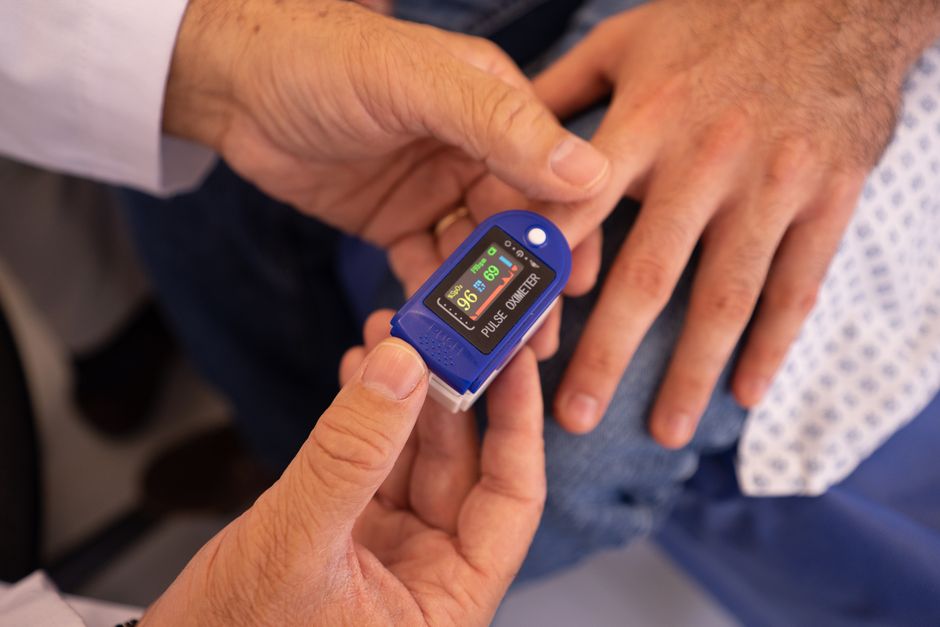
A resting heart rate below 60 beats per minute is called bradycardia. For many people, especially athletes and younger adults, this is normal and healthy. A pulse rate becomes too low when it drops below 60 and you also have symptoms like dizziness, fatigue, or fainting. The danger is not the number itself, but whether your body is getting enough oxygen-rich blood.
What Is a Normal Resting Heart Rate?
For most adults, a normal resting heart rate falls between 60 and 100 beats per minute. This range comes from decades of clinical observation and remains the standard reference in medical training. A rate in the 50s can still be perfectly healthy for some people.
Your resting heart rate changes with your fitness level, age, and even your position. When you lie down, it tends to slow slightly. When you stand, it speeds up a little. These shifts are normal and reflect your body adjusting to demand.
Heart rate naturally declines with age in some people. It also drops during deep sleep. Waking up with a pulse in the 40s or 50s is not automatically a problem if you feel fine during the day.
What Pulse Rate Is Too Low?
A pulse rate below 60 beats per minute is technically bradycardia. But the medical definition of a problematic low heart rate includes symptoms. Without symptoms, a low pulse is usually not treated. With symptoms, even a rate of 55 can require evaluation.
Severe bradycardia—typically below 40 beats per minute—is more concerning. At this level, the heart may not pump enough blood to meet your body’s needs. This can lead to low blood pressure, poor circulation, and reduced oxygen delivery to organs.
The key dividing line is not a single number. It is the combination of a low rate plus symptoms. A pulse of 45 in a marathon runner with no symptoms is different from a pulse of 45 in someone who feels lightheaded climbing stairs.
Common Causes of a Low Pulse Rate
Physical fitness is the most common cause of a low resting heart rate. Endurance training strengthens the heart muscle, allowing it to pump more blood with each beat. A well-trained heart simply needs fewer beats per minute to do its job.
Medications are another frequent cause. Beta-blockers, calcium channel blockers, and some antiarrhythmic drugs slow the heart rate as part of their intended effect. Digoxin, used for heart failure, also lowers pulse. If your medication pushes your rate too low, your doctor may adjust the dose.
Underlying medical conditions can cause bradycardia as well. These include:
- Hypothyroidism, where low thyroid hormone slows metabolism and heart rate
- Electrolyte imbalances, particularly high potassium or low calcium
- Sick sinus syndrome, a problem with the heart’s natural pacemaker
- Heart block, where electrical signals do not travel properly through the heart
- Sleep apnea, which can stress the heart during sleep
Some infections, particularly Lyme disease, can affect the heart’s electrical system. This is rare but treatable with antibiotics. Recovery from heart surgery can also temporarily slow the heart rate.
Symptoms That Signal a Problem
Your brain is the first organ affected by reduced blood flow. Dizziness, lightheadedness, and confusion are early warning signs. Fainting, or near-fainting, is a stronger signal that your heart is not keeping up with demand.
Fatigue and weakness are common but easy to dismiss. If you feel exhausted after minimal activity, or if your legs feel heavy and weak, this can indicate poor circulation. Shortness of breath, especially with mild exertion, matters too.
Chest discomfort and palpitations should never be ignored. These can indicate that your heart is struggling or that the low rate is accompanied by other rhythm problems. Call your doctor promptly if you experience these.
Symptoms that come on suddenly are more urgent than those that develop gradually. Sudden fainting, chest pain, or severe shortness of breath requires immediate medical attention. Do not wait to see if it passes.
When a Low Pulse Is an Emergency
Seek emergency care if a low pulse is accompanied by fainting, chest pain, trouble breathing, or confusion. These symptoms suggest your organs are not getting enough blood. This is a medical emergency, not something to manage at home.
Symptoms that come on suddenly are more urgent than those that develop gradually. Sudden fainting, chest pain, or severe shortness of breath requires immediate medical attention. Do not wait to see if it passes.
If someone loses consciousness and has a slow pulse, call emergency services. While waiting, check their breathing and pulse. If they are not breathing normally, begin CPR if you are trained to do so.
How Doctors Evaluate a Low Heart Rate
Your doctor will start with a physical exam and a detailed history. They will ask about your medications, fitness routine, and any symptoms. An electrocardiogram, or ECG, records the electrical activity of your heart and can reveal rhythm problems.
A Holter monitor is a portable ECG worn for 24 to 48 hours. It captures your heart rhythm during normal activities and sleep. This is useful if your low rate comes and goes. An event monitor works similarly but is worn longer, sometimes for weeks.
Blood tests check for thyroid problems, electrolyte imbalances, and signs of heart damage. An echocardiogram uses ultrasound to look at your heart’s structure and pumping function. This can identify valve problems or weakened heart muscle.
In some cases, a stress test evaluates how your heart responds to exercise. If your heart rate fails to increase appropriately with activity, this provides important information. The test helps determine whether your low rate limits your physical capacity.
For persistent symptoms with no clear cause, a tilt table test may be ordered. This measures how your heart rate and blood pressure respond to changes in position. It helps diagnose conditions like vasovagal syncope, where your heart rate drops suddenly when you stand.
Treatment Options for Problematic Bradycardia
Treatment depends entirely on the cause. If a medication is responsible, your doctor may lower the dose or switch to a different drug. Never stop a heart medication on your own—this can cause dangerous rebound effects.
If hypothyroidism is the culprit, thyroid hormone replacement typically restores a normal heart rate. Treating sleep apnea with CPAP can resolve bradycardia in some people. Electrolyte imbalances are corrected with dietary changes or supplements.
When no reversible cause exists and symptoms persist, a pacemaker may be recommended. This small device is implanted under the skin and sends electrical signals to keep your heart rate above a set minimum. Pacemakers are highly effective for symptomatic bradycardia that does not improve with other treatments.
Not everyone with a low pulse needs a pacemaker. The decision is based on symptoms, not the number on the monitor. A young athlete with a resting pulse of 45 and no symptoms does not need treatment. An older adult with a pulse of 50 and recurring fainting spells likely does.
Lifestyle Factors That Affect Heart Rate
Regular aerobic exercise lowers resting heart rate over time. This is a positive adaptation, not a problem. If you are active and feel well, a low pulse is generally a sign of cardiovascular fitness.
Dehydration can raise heart rate, not lower it. The same is true for fever and anxiety. A low pulse is more likely linked to good conditioning, certain medications, or an underlying condition.
Alcohol and recreational drugs can affect heart rate unpredictably. Some substances slow the heart, while others speed it up. If you notice your pulse is unusually low after drinking, mention this to your doctor.
Stress management matters for heart health, but its effect on resting heart rate is modest. Chronic stress tends to raise heart rate, not lower it. A persistently low pulse during stressful periods warrants medical evaluation rather than lifestyle adjustments alone.
Frequently Asked Questions
What pulse rate is too low to be safe?
A pulse below 60 beats per minute is bradycardia, but it is only dangerous when accompanied by symptoms like dizziness, fainting, or shortness of breath. A rate below 40 with symptoms requires urgent medical attention.
Is a resting heart rate of 50 normal?
Yes, for many people. Athletes and younger adults often have resting rates in the 50s without any health problems. It becomes a concern only if you also experience symptoms like fatigue or lightheadedness.
Can anxiety cause a low pulse?
Anxiety typically raises heart rate rather than lowering it. If you have a low pulse and anxiety, the two may be unrelated, and evaluation for other causes is appropriate.
When should I go to the ER for a low heart rate?
Go to the emergency room if a low pulse is accompanied by fainting, chest pain, severe shortness of breath, or confusion. These symptoms indicate your organs may not be getting enough blood.
