
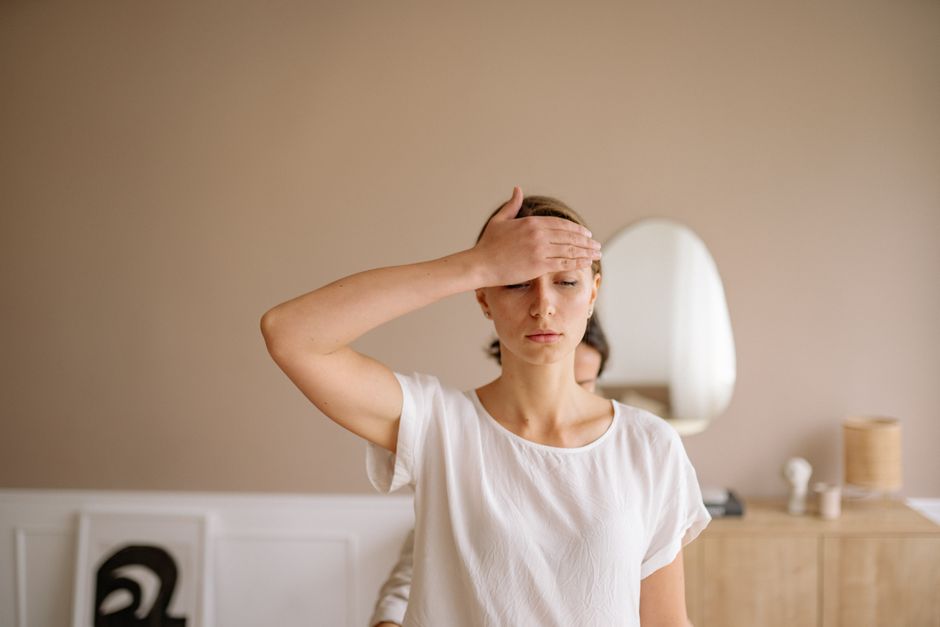
You stand up from the couch and the room tilts for a second. Your vision might gray out or sparkle. Then it passes. This is called orthostatic hypotension, and it happens when your blood pressure drops briefly as your body adjusts to being upright. It is common, usually harmless, and often preventable, but it can also signal an underlying health issue worth checking.
What Causes Dizziness And Lightheadedness When You Stand Up?
Gravity pulls your blood downward when you stand. Your body normally counters this within a few seconds by tightening blood vessels in your legs and abdomen and slightly increasing your heart rate. This pushes blood back up to your brain.
When this response is slow or weak, blood pools in your lower body. Your brain gets less oxygen for a moment. That brief shortage causes the lightheaded feeling. Doctors call this condition orthostatic hypotension, and it affects roughly 5 to 20 percent of adults under 65. The number climbs higher in older adults.
Most people experience this occasionally. It becomes a medical concern when it happens often, causes fainting, or occurs with other symptoms.
What Are the Most Common Triggers?
Dehydration is the most common cause. When your blood volume is low, there is less fluid to push upward. Even mild dehydration from not drinking enough water, sweating heavily, or having a stomach bug can trigger symptoms.
Standing up quickly after sitting or lying down for a long time is another frequent trigger. Your circulatory system needs a moment to adjust. If you jump up faster than your body can respond, you feel it.
Heat widens your blood vessels. Hot showers, warm weather, or being in a stuffy room can lower blood pressure and make standing dizziness more likely. This is why symptoms often appear after a hot bath or on summer days.
Certain medications are a major cause. Blood pressure drugs, diuretics, antidepressants, and medications for prostate conditions can all interfere with your body’s ability to regulate blood pressure. If your symptoms started after a new prescription, talk to your doctor before stopping anything.
When Is It a Sign of Something More Serious?
Occasional dizziness when standing is normal. Frequent episodes are not. If you feel lightheaded every time you stand, or if you faint, you should see a doctor.
Several medical conditions can cause chronic orthostatic hypotension. Diabetes can damage the nerves that help regulate blood pressure. Parkinson’s disease and other neurological conditions affect the autonomic nervous system, which controls involuntary functions like blood vessel constriction. Anemia, which means low red blood cells, reduces the oxygen your blood can carry.
Heart conditions can also be responsible. Arrhythmias, heart valve problems, or heart failure can impair your heart’s ability to pump blood effectively when you change position.
Bleeding in the digestive tract can cause sudden drops in blood volume. If your dizziness comes with dark stools, fatigue, or abdominal pain, seek medical attention promptly.





How Can You Tell the Difference Between Dizziness Types?
Not all dizziness is the same. Orthostatic hypotension feels like you might pass out. The sensation is often described as lightheaded, faint, or like the room is spinning slowly. Your vision might dim or you might hear your heart beating in your ears.
Vertigo is different. Vertigo feels like the room is spinning rapidly around you, like you just got off a merry-go-round. Vertigo usually points to inner ear problems, not blood pressure issues.
Pay attention to what you feel. If you feel faint, it is likely orthostatic. If you feel like you are spinning, it is more likely vertigo. The distinction matters because the causes and treatments are entirely different.
What Can You Do About It Right Now?
If you feel dizzy when standing, sit back down or lower your head between your knees. This restores blood flow to your brain quickly. Do not try to walk through it.
Stand up more slowly. This gives your circulatory system time to adjust. Try sitting on the edge of the bed for a minute before standing fully. When you do stand, pause before walking.
Drink more water throughout the day. Aim for enough fluids that your urine is light yellow. This is a simple, reliable indicator of hydration status that most people can use without medical guidance.
If you take blood pressure medication, check your blood pressure at home. Keep a log of readings when you feel dizzy and when you feel fine. Bring this to your doctor.
Physical counterpressure maneuvers can help. Crossing your legs tightly, clenching your buttocks, or making a fist can temporarily raise blood pressure and prevent fainting. These techniques are not a cure, but they can buy you time to sit down safely.
What Lifestyle Changes Reduce Episodes?
Regular physical activity strengthens your cardiovascular system and improves blood pressure regulation. Even walking for 20 minutes a day can help. Exercise also improves vein tone, which helps push blood back to your heart.
Compression stockings can help. They squeeze your legs and prevent blood from pooling there. Medical-grade compression stockings are effective, but over-the-counter versions may not provide enough pressure. Ask your doctor what level of compression is right for you.
Eat smaller, more frequent meals. Large meals divert blood to your digestive system, which can lower blood pressure afterward. This is called postprandial hypotension, and it can combine with orthostatic dizziness.
Limit alcohol. Alcohol widens blood vessels and dehydrates you, both of which worsen dizziness when standing.
Sleep with your head slightly elevated. Raising the head of your bed by four to six inches can reduce morning dizziness by decreasing the blood pressure drop that happens when you first get up.
When Should You See a Doctor?
Make an appointment if you faint, if dizziness happens regularly, or if it interferes with daily activities. Fainting can cause injury, especially in older adults.
Seek urgent care if dizziness comes with chest pain, shortness of breath, severe headache, blurred vision, difficulty speaking, or weakness on one side of your body. These symptoms can indicate a heart attack or stroke.
See a doctor if you have diabetes and your dizziness is getting worse. Nerve damage from diabetes can progress, and early treatment can slow it.
If you are pregnant, mention any dizziness to your obstetrician. Some dizziness in pregnancy is normal, but it can also signal anemia or other complications.
How Do Doctors Diagnose the Cause?
Your doctor will measure your blood pressure lying down, then standing. A drop of 20 mmHg or more in systolic pressure, or 10 mmHg in diastolic pressure, within three minutes of standing confirms orthostatic hypotension.
Blood tests can check for anemia, diabetes, or thyroid problems. An electrocardiogram checks your heart rhythm. Depending on your symptoms and history, your doctor may order additional tests like an echocardiogram or a tilt table test, which monitors your blood pressure and heart rate as the table moves you from lying to standing.
Bring a list of all medications and supplements you take. Some combinations worsen orthostatic hypotension. Your doctor may adjust doses or suggest alternatives.
What Treatments Are Available?
Treatment depends on the cause. If a medication is responsible, your doctor may lower the dose or switch you to something else. If dehydration is the issue, increasing fluid and salt intake may resolve it. Do not increase salt without medical guidance, especially if you have high blood pressure or heart disease.
For chronic cases, doctors may prescribe medications like fludrocortisone, which helps your body retain salt and water, or midodrine, which tightens blood vessels. These are prescription drugs with potential side effects. They are reserved for people whose symptoms do not improve with lifestyle changes.
Physical counterpressure maneuvers are often taught as a first-line strategy. The evidence for their effectiveness is reasonably strong, and they carry no side effects.
Frequently Asked Questions
Frequently Asked Questions
Is dizziness when standing up always serious?
No. Occasional dizziness when standing is common and often caused by dehydration or standing too quickly. Frequent episodes, fainting, or dizziness with other symptoms warrants a medical evaluation.
Can low blood sugar cause dizziness when standing?
Low blood sugar can cause dizziness, but it usually feels different from orthostatic dizziness and is not directly related to standing up. If your dizziness only happens when you change position, blood pressure is the more likely cause.
How much water should I drink to prevent dizziness?
There is no single number that works for everyone, but a practical target is enough fluids to keep your urine light yellow. Dark yellow urine indicates you need more fluids.
Can anxiety cause dizziness when standing?
Anxiety can cause dizziness, but it typically occurs independently of position changes. If your dizziness reliably happens when you stand, a physical cause is more likely than anxiety.
