
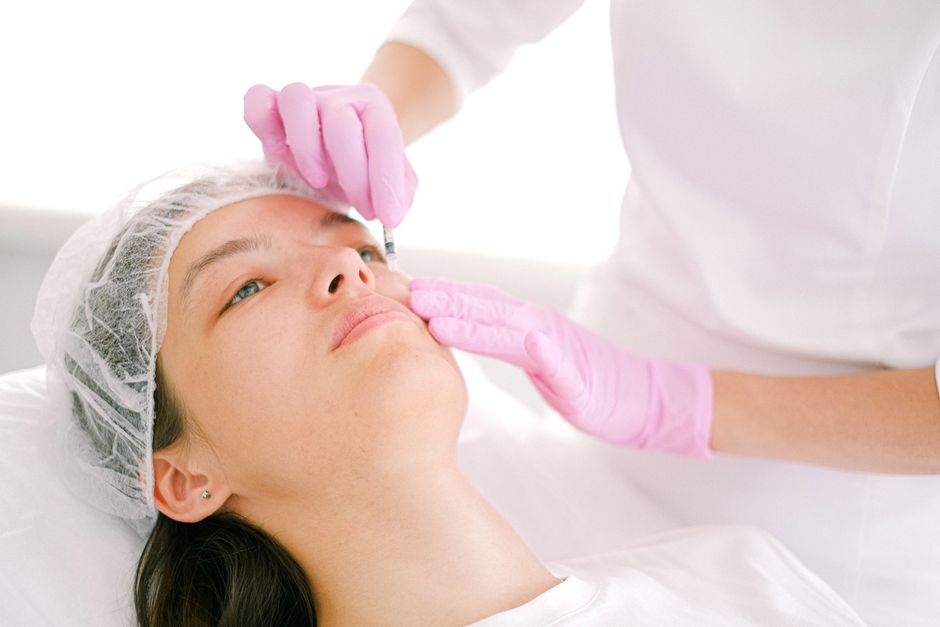
Botox is one of the most common treatments for forehead lines. For horizontal forehead wrinkles, the typical dose ranges from 10 to 30 units. The exact amount depends on your muscle strength, sex, and the look you want. A board‑certified provider will decide your dose during a consultation.
How Many Units of Botox for Forehead Lines?
Most people need between 10 and 30 units of Botox for horizontal forehead lines. Women often start with 10–15 units, while men may need 15–20 units because their forehead muscles are usually stronger. The goal is to soften lines while still allowing some natural movement.
This dose is given as multiple small injections across the forehead. Each injection site receives about 2–5 units. The total number of injections depends on the pattern of your wrinkles.
Keep in mind that the U.S. Food and Drug Administration (FDA) has approved Botox Cosmetic specifically for glabellar lines (the vertical lines between your eyebrows) and crow’s feet. Using Botox on the forehead is considered an off‑label use. However, it is a very common and well‑studied practice among experienced injectors.
What Factors Affect Your Botox Dose?
Several factors influence how many units you will need. Your provider will evaluate each of these during your appointment.
- Muscle strength: Stronger forehead muscles need more units to relax fully.
- Sex: Men typically require more units than women due to larger, stronger muscles.
- Age: Older skin with deeper static wrinkles may need a slightly different approach, but the underlying muscle strength matters most.
- Desired result: Some people want a completely smooth forehead (higher dose), while others prefer to keep some natural movement (lower dose).
- Previous treatment: If you have had Botox before, the muscles may become weaker over time, allowing for a slightly lower dose.
A conservative starting dose is often best for first‑time patients. Your provider can adjust the dose at follow‑up visits.
How Does Botox Treat Forehead Lines?
Botox is a purified form of botulinum toxin type A. It works by blocking nerve signals to the forehead muscles. When the muscles cannot contract, the overlying skin relaxes, and wrinkles become less noticeable.
This effect is temporary because the nerve endings eventually grow back and reconnect with the muscle. That is why results last only a few months and repeat treatments are needed.
The treatment does not fill existing static wrinkles. It prevents them from getting deeper by stopping the repetitive muscle contractions that cause them.





How Long Does Forehead Botox Last?
Results from forehead Botox usually last 3 to 4 months. Some people notice the effects starting to fade after 2.5 months, while others enjoy smooth skin for 4 months or longer.
Your individual metabolism, muscle strength, and the dose used all affect duration. Consistent treatments every 3 to 4 months may help maintain results and even prevent deeper lines from forming.
What Are the Side Effects of Forehead Botox?
Most side effects are mild and temporary. Common ones include:
- Small bruises at injection sites
- Mild headache or forehead tightness
- Temporary swelling or redness
A less common but notable side effect is brow or eyelid drooping (ptosis). This can happen if the Botox spreads beyond the injection area. Choosing an experienced, certified injector greatly reduces this risk. If ptosis occurs, it usually resolves within a few weeks.
Rarely, some people experience a temporary allergic reaction. Always tell your provider about any allergies or medical conditions before treatment.
Forehead Botox Compared to Other Facial Areas
Botox is also used for glabellar lines and crow’s feet. The dose and number of injection points differ by area. The table below shows typical unit ranges for each area.
| Treatment Area | Typical Units | Number of Injection Sites |
|---|---|---|
| Horizontal forehead lines | 10–30 units | 5–8 |
| Glabellar lines (11 lines) | 20 units (FDA-approved) | 5 |
| Crow’s feet | 5–10 units per side | 3–4 per side |
Your provider may adjust these numbers based on your unique anatomy. Many people choose to treat several areas at once.
What to Expect During a Forehead Botox Treatment
The procedure is quick. After cleansing the skin, your provider uses a fine needle to inject small amounts of Botox into the targeted muscles. You may feel a brief pinch at each injection.
There is no downtime. You can return to most normal activities right away. However, you should avoid lying down for 4 hours after treatment and avoid heavy exercise for 24 hours. These precautions help prevent the toxin from moving to unintended areas.
Results usually become visible within 3 to 7 days. The full effect appears at about 10 to 14 days.
Frequently Asked Questions
How many units do I need for my first Botox treatment on my forehead?
A common starting dose for first‑time patients is 10 to 15 units for women and 15 to 20 units for men.
Does forehead Botox wear off faster than Botox in other areas?
It can, because the forehead muscles are large and active. Many people find results last about 3 months, similar to glabellar lines.
Can I combine forehead Botox with treatment for frown lines?
Yes, combining treatments is very common. Your doctor will calculate the total units to keep a natural look and avoid side effects.
How much does forehead Botox cost on average?
Cost varies widely by location and provider. It is typically priced per unit, with most forehead treatments falling between $200 and $500.
