
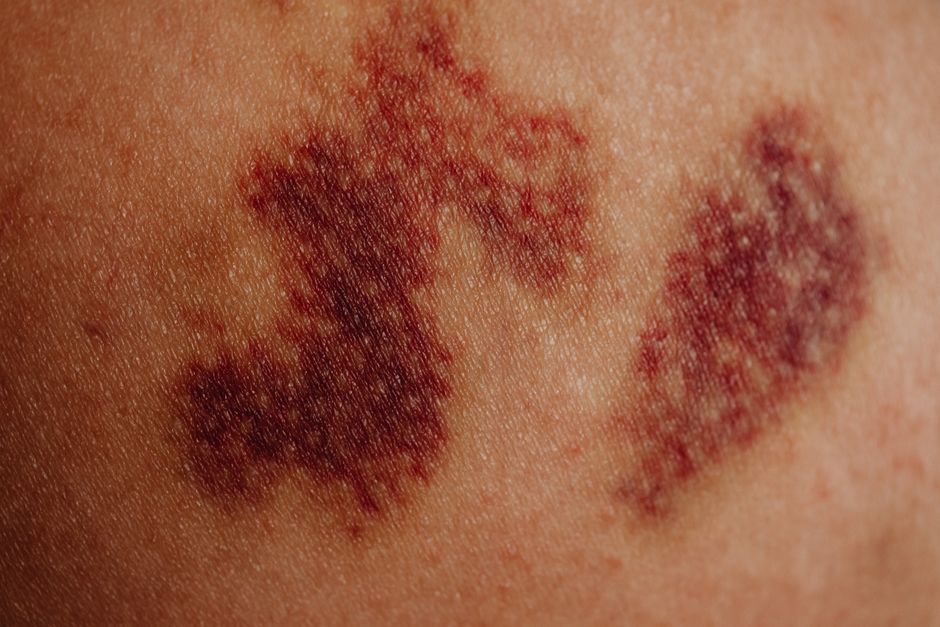
Dilated capillaries are small blood vessels near the surface of the skin that have widened and become permanently visible. They show up as fine red, pink, or purple lines, often on the face and legs. The causes range from genetics and sun damage to aging and certain medical conditions, and treatment usually involves laser or light-based therapies performed by a clinician.
These visible vessels are common and mostly harmless. But they can signal an underlying condition, and many people want them gone for cosmetic reasons. Understanding what actually causes them helps you make better decisions about what to do next.
What Causes Dilated Capillaries And How To Treat Them?
Capillaries are the smallest blood vessels in your body. They connect arteries to veins and are so narrow that red blood cells pass through in single file. When these vessels dilate, or widen, they can become visible through the skin.
The medical term for visible dilated capillaries is telangiectasia. The word describes enlarged vessels you can see, not a single disease. Telangiectasia can appear on the face, legs, chest, and other areas.
Several things can cause capillaries to dilate and stay that way:
- Genetics. A family history of visible facial vessels is common. If a parent has them, you are more likely to develop them too.
- Sun exposure. Ultraviolet light damages the skin’s support structure over time. This weakens the walls of small vessels and makes them more likely to stay dilated.
- Aging. Skin thins with age, and the supporting tissue around capillaries weakens. Vessels that were once hidden become visible.
- Hormonal changes. Pregnancy, menopause, and hormonal medications can affect vessel tone. Many women notice new facial vessels during pregnancy.
- Rosacea. This chronic skin condition causes facial flushing and visible vessels, especially on the cheeks and nose.
- Injury or pressure. Trauma, surgery, or repeated pressure on the skin can damage vessels and leave them permanently widened.
- Certain medical conditions. Liver disease, autoimmune conditions like scleroderma, and some bleeding disorders are linked to telangiectasia.
In many cases, more than one factor is at play. A person with a genetic tendency who also spends years in the sun may develop visible vessels earlier and more extensively than someone without that combination.
Are Broken Capillaries the Same as Dilated Capillaries?
The phrase “broken capillaries” is misleading. In most cases, the vessels are not broken. They are dilated and stretched, which makes them visible through thin skin.
A truly broken blood vessel leaks blood into surrounding tissue, causing a bruise. That is different from the fine, persistent red or purple lines people call broken capillaries. Those lines are dilated vessels that have lost their ability to constrict back to normal size.
This distinction matters for treatment. A bruise resolves on its own as the body reabsorbs the blood. A dilated capillary does not. Once a vessel has stretched and lost its elasticity, it typically stays visible unless it is treated.
Some people also confuse dilated capillaries with spider veins. Spider veins are larger and often appear on the legs. They have a branching, web-like pattern. Telangiectasia on the face tends to be finer and more linear. Both involve widened vessels, but they differ in size and location.
When Should You See a Doctor About Dilated Capillaries?
Most facial telangiectasia is harmless. But visible vessels can sometimes point to a condition that needs medical attention.
See a doctor if you notice any of these:
- Vessels that appear suddenly and spread quickly
- Bleeding from the affected area that is hard to stop
- Vessels on the lips, inside the mouth, or around the nails
- Swelling, pain, or warmth along with the visible vessels
- Other symptoms like fatigue, easy bruising, or yellowing of the skin
Telangiectasia can be a feature of several medical conditions. Hereditary hemorrhagic telangiectasia is a genetic disorder that causes vessels to form in the skin, nose, and internal organs. Liver disease can produce spider-like vessels on the upper body. Certain connective tissue diseases cause facial telangiectasia as one of several signs.
A doctor can usually tell the difference between harmless cosmetic vessels and those linked to a health problem by examining your skin and asking about your history. If there is any concern, blood tests or imaging may be ordered.





How Are Dilated Capillaries Treated?
No cream or serum has been shown to remove dilated capillaries. Once a vessel is permanently widened, topical products cannot shrink it back. This is one of the most common misconceptions in skincare marketing.
The treatments with the strongest evidence are light and energy-based devices, performed in a clinical setting:
- Pulsed dye laser. This is often considered the standard treatment for facial telangiectasia. The laser targets hemoglobin in the blood, heating and damaging the vessel wall without harming surrounding skin. Multiple sessions are often needed.
- Intense pulsed light. IPL uses broad-spectrum light to target vessels. It works well for diffuse redness and smaller vessels but may be less precise than laser for individual vessels.
- Nd:YAG laser. This is often used for larger or deeper vessels, including those on the legs.
- Electrocautery or sclerotherapy. These may be used for certain vessels, particularly on the legs. Sclerotherapy involves injecting a solution that causes the vessel to close.
Results vary. Some vessels clear completely. Others fade but do not disappear. New vessels can form over time, especially with continued sun exposure or underlying conditions like rosacea.
Treatment is generally well tolerated. Side effects can include temporary redness, bruising, or swelling. In rare cases, blistering, scarring, or changes in skin pigment can occur. A qualified dermatologist or trained clinician should assess your skin and recommend the right approach.
Insurance usually does not cover treatment for cosmetic vessels. If the vessels are linked to a medical condition, coverage may differ. Check with your provider.
Can You Prevent Dilated Capillaries From Getting Worse?
You cannot prevent all dilated capillaries, especially those driven by genetics or aging. But you can reduce factors that make them worse.
Sun protection is the most important step. Daily use of a broad-spectrum sunscreen helps limit UV damage that weakens vessel walls. Reapply when you are outdoors for extended periods.
Avoid known triggers if you have rosacea. Common triggers include spicy foods, alcohol, hot drinks, and extreme temperatures. These do not cause telangiectasia directly, but they can worsen flushing and redness over time.
Be gentle with your skin. Harsh scrubs, repeated rubbing, and strong irritants can stress fragile vessels. Some people find that avoiding these helps reduce new vessel formation, though the evidence for this is not strong.
If you have an underlying condition like liver disease or an autoimmune disorder, managing that condition is key. Treating the root cause may slow the development of new vessels.
What Does the Evidence Say About At-Home Treatments?
The evidence for at-home treatments is weak. Most products marketed for “broken capillaries” do not have clinical trials showing they remove visible vessels.
Some ingredients may help with redness or inflammation. Niacinamide and green tea extract have been studied for their effects on skin redness, though results are modest. Vitamin C may support skin health. None of these have been shown to eliminate dilated capillaries.
This is where marketing often outpaces science. A product may claim to “strengthen capillaries” or “reduce redness,” but those claims are not the same as removing visible vessels. If a cream could permanently close a dilated capillary, it would be a medical treatment, not a cosmetic one.
If you want to address dilated capillaries, see a clinician who can assess your skin and discuss options with real evidence behind them. At-home care can support skin health, but it will not erase vessels that are already visible.
Frequently Asked Questions
What causes dilated capillaries on the face?
The most common causes are genetics, sun damage, aging, and rosacea. Hormonal changes and certain medical conditions can also play a role.
Can dilated capillaries go away on their own?
No. Once a capillary is permanently widened, it does not constrict back to its normal size without treatment. A bruise from a truly broken vessel will fade, but a dilated capillary will not.
What is the best treatment for dilated capillaries?
Pulsed dye laser is often considered the most effective option for facial telangiectasia. IPL and Nd:YAG laser are also used, depending on the size and location of the vessels.
Do creams for broken capillaries actually work?
No clinical evidence shows that creams or serums can remove dilated capillaries. Some ingredients may reduce redness, but they do not eliminate visible vessels.
