
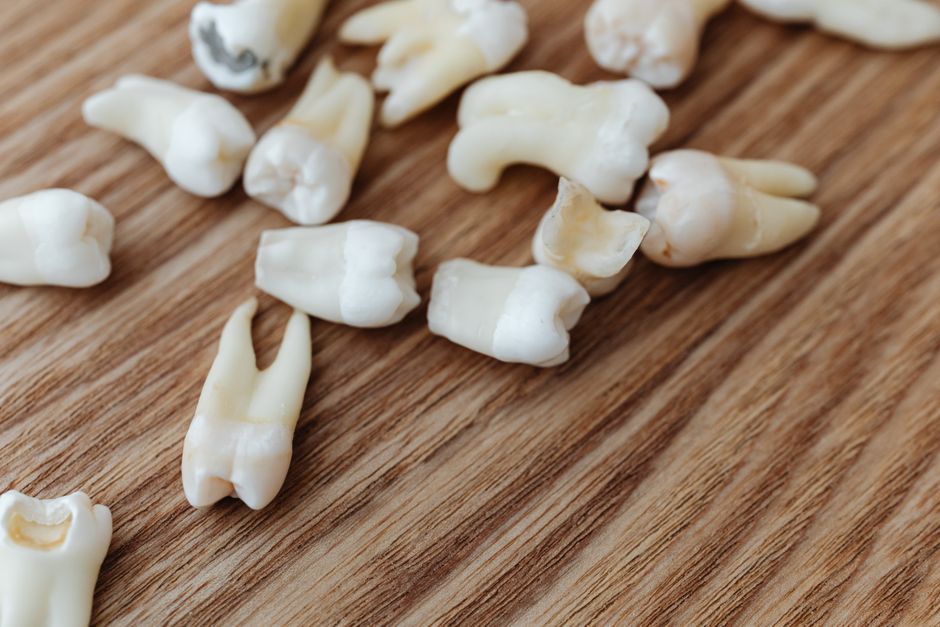
Dental caries, commonly called cavities or tooth decay, happen when bacteria in your mouth turn sugar into acid. This acid eats away at your tooth enamel over time, creating holes. Preventing cavities comes down to controlling these bacteria, limiting sugar exposure, and keeping your tooth enamel strong.
What Exactly Happens Inside Your Mouth to Cause a Cavity?
Your mouth is full of bacteria. Most are harmless, but some, like Streptococcus mutans, are not. These bacteria feed on sugar and carbohydrates you eat. When they digest sugar, they produce acid as a waste product.
This acid lowers the pH on your tooth surface. Your enamel normally protects your teeth, but it starts to dissolve when the pH drops below 5.5. This process is called demineralization. Your saliva naturally neutralizes acid and repairs minor damage through minerals like calcium and phosphate. But if acid attacks happen too often, the repair process cannot keep up. The enamel breaks down, and a cavity forms.
The CDC reports that over 90% of adults have had at least one cavity. It is one of the most common chronic diseases worldwide, yet it is almost entirely preventable.
What Are the Main Risk Factors for Developing Cavities?
Not everyone gets cavities at the same rate. Some people have higher risk due to a combination of factors. Understanding these can help you know where to focus your prevention efforts.
Frequent sugar consumption is the biggest single factor. It is not just how much sugar you eat but how often. Sipping a sugary drink over two hours creates a longer acid attack than eating a candy bar in five minutes. Every time sugar touches your teeth, the acid production cycle starts again.
Poor saliva flow is another major risk. Saliva washes away food particles and neutralizes acid. People with dry mouth from medications, aging, or medical conditions have much higher cavity rates. Over 400 medications list dry mouth as a side effect.
Inadequate fluoride exposure weakens enamel. Fluoride helps remineralize early decay and makes enamel more resistant to acid. Communities without fluoridated water have higher cavity rates, according to the American Dental Association.
Deep pits and grooves on your teeth trap food and bacteria. Molars are especially vulnerable because their chewing surfaces are uneven and hard to clean with a toothbrush alone.
How Does Sugar Actually Cause the Damage?
This is where the biology gets specific. When bacteria in dental plaque metabolize sugar, they produce lactic acid, acetic acid, and formic acid. These acids directly dissolve the calcium and phosphate crystals that make up your enamel.
Your enamel is the hardest substance in your body, but it is not immune to acid. Research published in the Journal of Dental Research shows that enamel begins to soften after just five minutes of acid exposure. If you eat sugar multiple times a day, your teeth spend hours in a demineralized state.
Here is a simple comparison of how different eating patterns affect your teeth:
| Eating Pattern | Acid Attack Duration | Cavity Risk |
|---|---|---|
| One sugary drink in 5 minutes | ~20-30 minutes | Moderate |
| Sipping same drink over 2 hours | ~2+ hours of attacks | High |
| Three meals with no snacking | Short, spaced attacks | Lower |
| Constant snacking or sipping | Continuous acid | Very high |
The takeaway is clear: frequency matters more than quantity. A single dessert after dinner is less harmful than sipping juice or soda throughout the day.





What Does Research Show About Preventing Cavities?
Strong evidence supports several prevention strategies. The most effective ones work on multiple fronts: reducing bacteria, strengthening enamel, and limiting sugar.
Fluoride is the most studied cavity prevention tool. The Cochrane Collaboration, a respected research organization, reviewed over 100 studies and found that fluoride toothpaste reduces cavities by about 24% compared to non-fluoride toothpaste. Community water fluoridation reduces cavities by 25% in children and adults, according to the CDC.
Xylitol, a natural sugar alcohol, shows promise. Some studies suggest that xylitol gum or mints reduce cavity-causing bacteria by interfering with their ability to stick to teeth. The evidence is moderate, not strong. The American Academy of Pediatric Dentistry supports xylitol use but notes it is not a replacement for fluoride.
Sealants are plastic coatings applied to the chewing surfaces of molars. Research from the CDC shows that sealants prevent 80% of cavities in molars for the first two years and continue to protect for up to nine years. This is one of the most underused prevention tools.
Dietary changes have the most direct impact. A study in the Journal of the American Dental Association found that people who limited sugar to less than 10% of daily calories had significantly fewer cavities. The World Health Organization recommends keeping added sugar below 10% of total calories, and ideally below 5%.
What Are the Most Common Prevention Mistakes People Make?
Some well-intentioned habits do not work as well as people think. Brushing harder does not clean better. It wears down enamel and irritates gums. Use a soft-bristled toothbrush with gentle pressure.
Rinsing your mouth with water immediately after brushing washes away the fluoride. Spit out excess toothpaste but do not rinse. This allows fluoride to stay on your teeth longer.
Many people think cavities are only caused by candy and soda. Starchy foods like chips, crackers, and bread break down into sugar in your mouth. They stick to teeth and feed bacteria just like candy does.
Another common belief is that cavities are inevitable with age. They are not. Older adults who maintain good oral hygiene and use fluoride have low cavity rates. Dry mouth from medications is the main reason cavities increase with age, not aging itself.
Some people believe that if a cavity does not hurt, it is not serious. Early cavities often have no symptoms. By the time pain appears, the decay has usually reached the inner layer of the tooth and requires a filling or root canal.
What Are the Practical Steps You Can Take Starting Today?
Here is a straightforward list of actions backed by evidence:
- Brush twice a day with fluoride toothpaste. Do not rinse after brushing.
- Floss once a day. Cavities between teeth are common and brushing cannot reach them.
- Limit sugary foods and drinks to mealtimes only. Avoid sipping or snacking throughout the day.
- Chew xylitol gum after meals if you cannot brush. It stimulates saliva and reduces bacteria.
- Drink fluoridated tap water. If your water is not fluoridated, ask your dentist about fluoride supplements or treatments.
- Get dental sealants on your molars if you do not already have them. This is quick, painless, and covered by most insurance.
- Visit your dentist regularly. Professional cleanings remove plaque that brushing misses. X-rays catch cavities early when they are small and reversible.
If you have dry mouth, talk to your doctor about adjusting medications. Use saliva substitutes or sugar-free lozenges to keep your mouth moist. Drink water frequently.
For people at high risk, dentists may recommend prescription fluoride toothpaste with higher concentration, or in-office fluoride varnish applications. These are more effective than over-the-counter products.
Frequently Asked Questions
Can a cavity heal on its own?
Early cavities that have not broken through the enamel can reverse with fluoride and good oral hygiene. Once a hole forms, the tooth cannot heal itself and needs a filling.
Does brushing right after eating prevent cavities?
No. Brushing immediately after eating acidic foods can damage softened enamel. Wait at least 30 minutes after eating to brush.
Are sugar-free drinks safe for teeth?
Most sugar-free drinks are still acidic and can erode enamel. Water is the only drink that is completely safe for your teeth.
How often should I replace my toothbrush?
Replace your toothbrush every three to four months or sooner if the bristles look frayed. Worn bristles do not clean effectively.
