
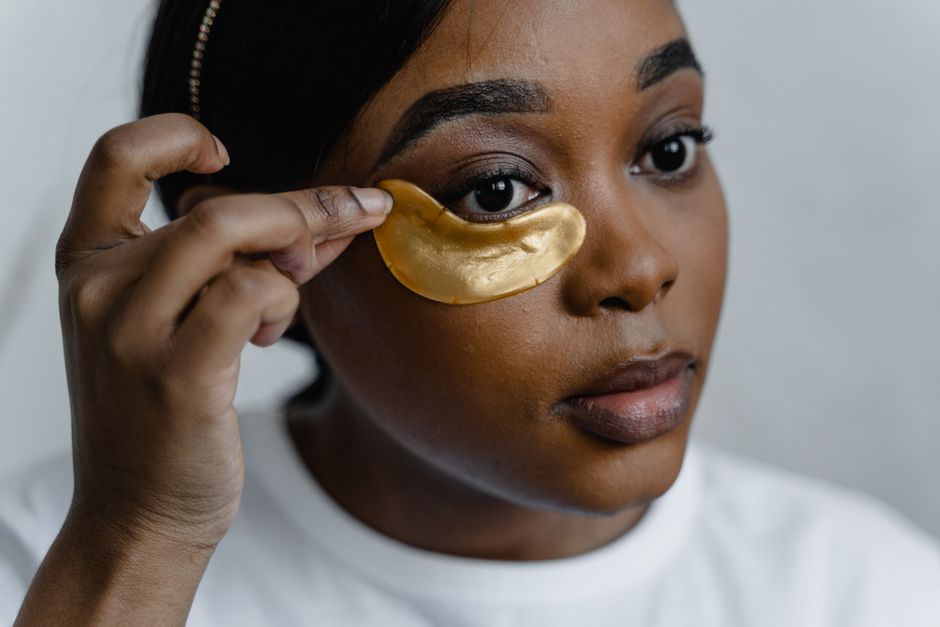
Dark circles under your eyes are usually the result of visible blood vessels showing through thin skin, natural pigmentation, or the shadow created by puffiness and undereye hollows. Genetics play a major role in whether you get them and how severe they are. Lack of sleep can make them more noticeable by dilating blood vessels and causing fluid to pool, but sleep is rarely the root cause.
What Causes Dark Circles Under Your Eyes?
The skin around your eyes is the thinnest skin on your body. Because it is so thin, the blood vessels beneath it are easier to see. When those vessels dilate or when fluid builds up, the area takes on a darker, bluish, or purplish tint.
There are three main physical reasons dark circles appear. The first is visible blood vessels showing through thin skin. The second is pigmentation, or melanin, in the skin itself. The third is shadowing from the shape of your face — hollows under the eyes or puffy eyelids cast shadows that look like dark circles even when the skin color is normal.
Many people have more than one of these factors at the same time. That is why one cream rarely fixes the problem completely.
Is It Genetics or Lifestyle?
Genetics determine the thickness of your undereye skin, your natural pigment levels, and the structure of the bones around your eyes. If your parents have dark circles, you are more likely to have them too. This is one of the most consistent findings in dermatology.
Lifestyle factors do not create dark circles from nothing, but they can make existing ones worse. Sleep deprivation causes blood vessels to dilate and makes skin paler, both of which increase the contrast between your skin and the vessels underneath. Dehydration has a similar effect because it makes the skin thinner and less plump.
Allergies are a common and often overlooked contributor. Allergic inflammation causes blood vessels to leak fluid into the tissue. This creates puffiness and a darker appearance. Rubbing your eyes makes it worse by breaking small blood vessels and increasing pigment production in the area over time.
Why Do Dark Circles Look Blue, Purple, or Brown?
The color of your dark circles tells you something about the cause.
Blue or purple circles usually mean blood vessels are visible through thin skin. This is the most common type in people with fair skin. The color comes from deoxygenated blood in the small veins just under the skin surface.
Brown or dark brown circles usually mean pigmentation. Melanin production in the undereye area can be higher naturally or increase with sun exposure, rubbing, or inflammation. This type is more common in people with darker skin tones, including those of Asian, African, or Mediterranean descent.
Dark shadows that change with lighting are usually structural. When you stand in bright overhead light, the shadow under a puffy eyelid or above a hollow tear trough becomes more obvious. This is not a skin color issue at all — it is the shape of your face.





What Role Does Sleep Actually Play?
Sleep deprivation makes dark circles more visible, but it does not cause them in people who are not genetically predisposed. When you are sleep-deprived, your skin becomes paler and blood vessels dilate. Both changes increase the contrast between the thin undereye skin and the vessels beneath it.
Sleep also affects fluid balance. When you lie flat, fluid redistributes toward your head. If you are sleep-deprived, this fluid clearance is less efficient, and you may wake up with puffier eyes and more obvious shadows.
Improving sleep can help, but it will not erase dark circles that are caused by genetics or structural anatomy. If you get adequate sleep consistently and the circles remain unchanged, the cause is likely genetic or structural.
Can Allergies and Sinus Problems Cause Dark Circles?
Yes. Allergic rhinitis — hay fever — is a well-documented cause of dark circles. The medical term is allergic shiners.
When you have an allergic reaction, histamine is released in the tissues around your eyes. This causes blood vessels to dilate and leak fluid. The result is puffiness, a darker appearance, and sometimes a bluish tint under both eyes.
Sinus congestion works similarly. When the sinuses are inflamed, they put pressure on the veins that drain blood from around the eyes. This slows drainage, causing blood to pool and making the area appear darker.
Treating the underlying allergy or sinus condition often improves the appearance of dark circles. Antihistamines, nasal steroid sprays, and avoiding known allergens can all help. But if you do not have allergy symptoms, this is unlikely to be your cause.
Do Diet, Iron, or Vitamin Deficiencies Matter?
Iron deficiency anemia can cause dark circles in some people. When hemoglobin levels are low, the skin appears paler overall, which increases the visibility of the blood vessels under the eyes. The effect is the same as sleep deprivation — increased contrast between skin and vessels.
If you have other symptoms of anemia — fatigue, shortness of breath, pale skin, cold hands and feet — it is worth having your iron levels checked. A simple blood test can confirm or rule this out.
Vitamin deficiencies are less clearly linked to dark circles. Some research suggests vitamin B12 deficiency can contribute to skin pigmentation changes, and vitamin K plays a role in blood clotting, but there is no strong evidence that taking these vitamins will improve dark circles in people without a diagnosed deficiency.
Do not start taking high-dose supplements based on dark circles alone. If you suspect a deficiency, get tested first.
What Treatments Actually Work?
Treatment depends entirely on the cause. There is no single product or procedure that works for everyone.
For pigmentation-based dark circles, topical treatments with proven ingredients include:
- Hydroquinone (prescription strength) — reduces melanin production
- Vitamin C — inhibits melanin synthesis and has antioxidant effects
- Retinoids — increase skin cell turnover and fade pigment
- Azelaic acid — reduces pigment in some skin types
For vascular or thin-skin dark circles, topical treatments are less effective. Ingredients like caffeine can temporarily constrict blood vessels, but the effect lasts only a few hours. Prescription-strength retinoids can thicken the skin over months of use, which may reduce the visibility of vessels.
For structural dark circles caused by hollows or shadows, no cream will help. The options are cosmetic procedures:
- Dermal fillers — injected into the tear trough to fill the hollow
- Fat transfer — your own fat is moved to the undereye area
- Laser therapy — can help with pigmentation but not with hollows
These procedures carry risks, including bruising, swelling, and in rare cases, lumps or vascular complications. They should only be performed by a board-certified dermatologist or plastic surgeon with experience in the undereye area.
Are Home Remedies Worth Trying?
Cold compresses can temporarily reduce puffiness and constrict blood vessels. The effect lasts for a short time — usually under an hour. Cucumber slices and tea bags work the same way: they are cold and moist, and the cold is what helps. The cucumber itself has no special property that reduces dark circles.
Getting enough sleep, staying hydrated, and managing allergies are the most reliable lifestyle measures. They will not eliminate dark circles, but they will prevent them from getting worse.
Sunscreen is underappreciated for this issue. Sun exposure increases melanin production, which darkens pigmentation-based circles. Daily sunscreen on the face, including the undereye area, can prevent gradual darkening over time.
When Should You See a Doctor?
Dark circles are almost always a cosmetic issue, not a medical one. But there are situations where a medical evaluation is appropriate.
See a doctor if you have:
- Dark circles that appear suddenly and are accompanied by swelling or pain
- Dark circles along with symptoms of anemia like fatigue or shortness of breath
- Dark circles that are getting progressively darker over weeks
- Swelling around the eyes that is worse in the morning and improves during the day — this can signal a thyroid or kidney issue
These are uncommon scenarios, but they deserve attention. In most cases, dark circles are simply a feature of your anatomy, like the color of your eyes or the shape of your nose.
Frequently Asked Questions
Can dark circles under eyes be permanent?
Yes, when they are caused by genetics, pigmentation, or structural anatomy, they are typically permanent without cosmetic treatment. Lifestyle-related dark circles from sleep deprivation or allergies can improve when the underlying issue is addressed.
Do eye creams work for dark circles?
Some eye creams can help with pigmentation-based circles if they contain proven ingredients like vitamin C, retinoids, or hydroquinone. No eye cream can fix dark circles caused by hollows, shadows, or the natural shape of your face.
Are dark circles a sign of a health problem?
Rarely. Dark circles are usually cosmetic. However, sudden onset with swelling, or circles accompanied by fatigue and paleness, can indicate anemia, allergies, or in rare cases, thyroid or kidney issues.
Does drinking more water help dark circles?
Drinking more water helps if you are dehydrated, because dehydration makes skin thinner and blood vessels more visible. If you are already well hydrated, drinking extra water will not change the appearance of dark circles.
