
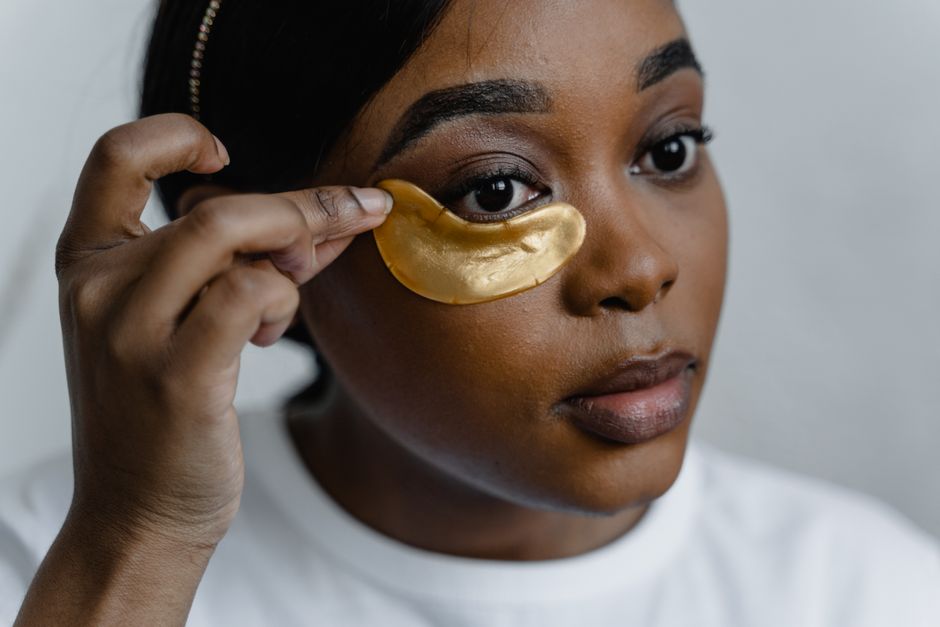
Dark circles under your eyes are not usually a sign of a health problem. They are most often caused by a combination of genetics, aging, and lifestyle factors like lack of sleep or allergies. The skin under your eyes is thin, and blood vessels or pigmentation show through more easily in some people than others.
What Actually Causes Dark Circles Around The Eyes In Adults?
There is no single cause. Research published in the journal Clinical, Cosmetic and Investigational Dermatology breaks dark circles into two main types: vascular and pigmented. Vascular dark circles come from blood vessels visible through thin skin. Pigmented dark circles come from excess melanin in the skin itself.
Genetics play a big role. If your parents had dark circles, you likely will too. People with darker skin tones are more prone to pigmented dark circles. As you age, your skin loses collagen and becomes thinner, making blood vessels more visible. This is why dark circles often get worse in your 40s and 50s.
Allergies are a common cause that many people overlook. Histamine release causes blood vessels to dilate and leak fluid. Rubbing or scratching the eyes can make the skin darker over time. This is called the “allergic shiner” and it is real.
Do Lack of Sleep and Fatigue Really Cause Dark Circles?
Yes, but not in the way most people think. Sleep deprivation does not directly create pigment under your eyes. Instead, it makes existing dark circles more noticeable. When you are tired, blood flow slows and pools in the small vessels under your eyes. The skin there is thin enough that you can see that pooled blood as a dark or bluish tint.
A study in the Journal of Clinical and Aesthetic Dermatology found that poor sleep quality correlates with more visible dark circles. The effect is temporary. One or two nights of good sleep usually restores normal color. But if you have genetic dark circles, sleep will not erase them. It will just make them less obvious.
Dehydration also makes dark circles worse. When your body is low on water, the skin under your eyes looks sunken and dull. This creates shadows that look like dark circles even when no pigment or blood pooling is present.
Can Allergies or Sinus Problems Cause Dark Circles?
Yes. Allergic rhinitis — hay fever — is a well-documented cause. The American Academy of Allergy, Asthma, and Immunology notes that nasal congestion can cause blood to pool in the small veins under your eyes. This creates a bluish tint called “allergic shiners.”
Sinus infections have a similar effect. When your sinuses are inflamed, pressure builds up and restricts normal blood flow. The result is a dark, puffy appearance under the eyes. This usually clears up once the infection resolves.
Rubbing your eyes makes everything worse. The mechanical friction can break small blood vessels and also stimulate melanin production over time. This is one of the few dark circle causes you can directly control. Stop rubbing.





What Lifestyle Factors Actually Matter?
Sun exposure is one of the biggest. UV rays trigger melanin production. If you have pigmented dark circles, sun exposure will darken them. The skin under your eyes is especially vulnerable because it is thin and often forgotten when applying sunscreen.
Diet plays a smaller role than many articles claim. Iron deficiency anemia can cause pale skin and make dark circles more visible. But there is no strong evidence that specific foods cause or cure dark circles. Vitamin C and vitamin K deficiencies have been suggested as contributors, but clinical evidence is weak.
Screen time gets blamed a lot. The evidence is mixed. Staring at a screen does not directly cause dark circles. But it can cause eye strain and reduce blink rate, leading to dry eyes and fatigue. If you are tired from screen use, the same sleep-deprivation effect applies.
Alcohol and smoking are real contributors. Alcohol dehydrates you and dilates blood vessels. Smoking breaks down collagen and reduces blood flow to the skin. Both make dark circles worse over time.
What Treatments Have Real Evidence Behind Them?
Most treatments have limited evidence. The table below summarizes what research actually shows for common approaches.
| Treatment | What Research Says | Best For |
|---|---|---|
| Topical vitamin C | Some studies show it can lighten pigmentation over 8-12 weeks | Pigmented dark circles |
| Caffeine creams | Temporary constriction of blood vessels, effects last a few hours | Vascular dark circles |
| Retinoids | Can thicken skin over months, reducing visibility of blood vessels | Thin skin / aging |
| Chemical peels | Moderate evidence for superficial peels, risk of hyperpigmentation in darker skin | Pigmented dark circles |
| Fillers | Effective for hollowing under the eyes, lasts 6-18 months | Tear trough / volume loss |
| Laser therapy | Some evidence for pigment lasers, results vary widely | Pigmented dark circles |
| Cold compresses | Constricts blood vessels temporarily, no long-term effect | Puffy eyes with circles |
No cream or serum has been proven to permanently remove dark circles. The best approach depends entirely on what type you have. If your dark circles are vascular from visible blood vessels, caffeine creams or cold compresses can help temporarily. If they are pigmented, vitamin C or retinoids may help over months. If they are from hollowing under the eyes, fillers are the only option with real evidence.
What Common Products and Myths Should You Ignore?
Many products make promises they cannot keep. Eye creams with “brightening” ingredients often contain mica or titanium dioxide — tiny reflective particles. These do not treat anything. They just reflect light so the dark area looks less noticeable. That is makeup, not treatment.
Snake venom, caviar extract, and gold-infused creams have no clinical evidence supporting their use for dark circles. These are marketing gimmicks. Do not waste money on them.
Potato slices and cucumber slices are not backed by any research. Cucumber is mostly water and provides a cooling effect that may temporarily constrict blood vessels. A cold spoon works just as well and costs nothing.
Tea bags are a popular home remedy. Green and black tea contain caffeine and antioxidants. A cold tea bag on your eyes may provide the same temporary vasoconstriction as a caffeine cream. Some people report benefit. Strong clinical evidence is lacking. It is harmless to try but do not expect lasting results.
One myth that will not die: toothpaste under your eyes. Do not do this. Toothpaste is formulated for your teeth. It contains baking soda, hydrogen peroxide, and other ingredients that can burn the thin skin under your eyes. This can cause redness, peeling, and even permanent discoloration.
Frequently Asked Questions
Frequently Asked Questions
Can dark circles under eyes be reversed?
It depends on the cause. Sleep-related dark circles can improve quickly. Pigmented and genetic dark circles are often permanent but can be reduced with consistent treatment.
What vitamin deficiency causes dark circles?
Iron deficiency anemia is the most commonly linked deficiency. Vitamin B12 and vitamin D deficiencies have been suggested but strong evidence is limited.
Is there a medical condition that causes dark circles?
Yes. Allergies, sinus infections, eczema, and thyroid disorders can all cause or worsen dark circles. If dark circles appear suddenly or only on one side, see a doctor.
Do eye creams for dark circles actually work?
Some work temporarily for certain types. Caffeine creams help vascular circles for a few hours. Vitamin C and retinoids can help pigmented circles over months. Most drugstore eye creams have no clinical evidence behind them.
