
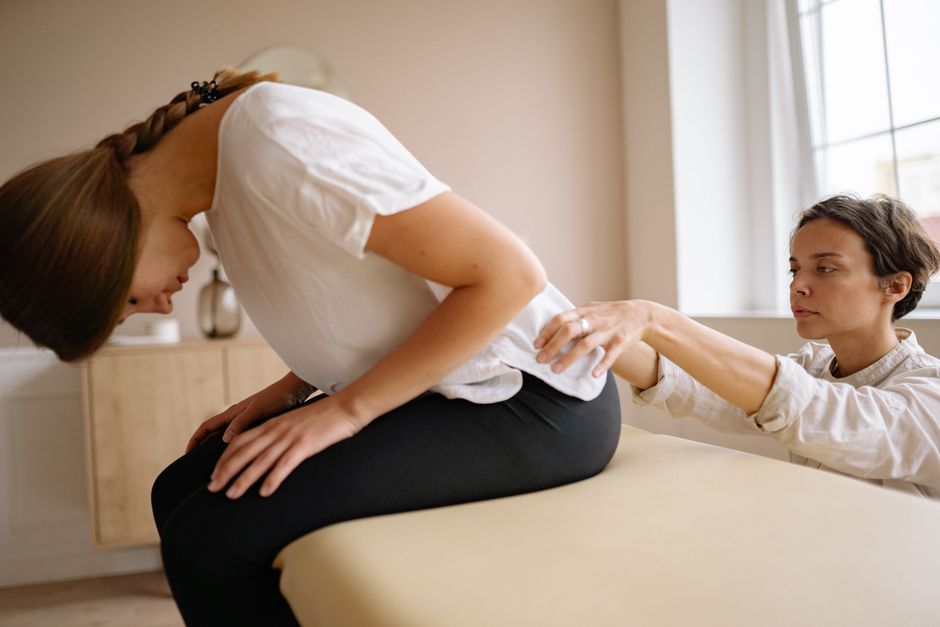
Sitting down should be a relief, not a source of pain. Yet for many people, pressure on the buttocks turns a simple chair into an ordeal. The pain can be sharp, dull, burning, or numbing. It can fade when you stand or linger long after. The causes range from simple muscle strain to conditions that press on nerves. Some are easy to fix with movement. Others need a doctor’s attention. Here is what actually causes buttocks pain when sitting and what the evidence says about each one.
What Causes Buttocks Pain When Sitting? Root Causes
Most buttocks pain from sitting falls into one of three categories: muscle problems, nerve compression, or issues in the hip joint itself. Muscle problems are the most common. The gluteal muscles sit directly under your body weight when you sit. If they are tight, weak, or strained, they hurt under pressure. Nerve compression happens when a nerve gets squeezed on its way from the lower spine down through the buttocks. The sciatic nerve is the usual culprit. Hip joint problems, like arthritis or bursitis, can also send pain into the buttocks. The location and character of the pain offer the best clues about which one you have.
Is It Your Piriformis Muscle or Your Sciatic Nerve?
The piriformis is a small muscle deep in the buttock. It helps rotate your hip and stabilizes your pelvis. The sciatic nerve, the largest nerve in the body, runs right beneath it. In about 15 percent of people, the nerve actually passes through the muscle. When the piriformis gets tight or spasms, it can compress that nerve.
This is called piriformis syndrome, and it produces pain that feels like it is deep in the buttock. It often radiates down the back of the thigh. Sitting makes it worse because the muscle is compressed between your pelvis and the chair. Prolonged sitting, especially on hard surfaces or with a wallet in the back pocket, is a classic trigger.
But piriformis syndrome is not the only way the sciatic nerve gets irritated. A herniated disc in the lower spine presses on the nerve roots that form the sciatic nerve. The pain feels similar, but the source is higher up. The distinction matters because the treatment differs. Piriformis syndrome responds to stretching and massage. Disc problems often need physical therapy focused on the spine. If you have numbness, weakness, or pain that travels below the knee, the problem is more likely spinal than muscular.
How Sitting Posture Compresses the Nerves and Muscles
Your posture in the chair directly affects how much pressure your buttocks absorb. When you slouch, you roll your pelvis backward. This flattens the natural curve of your lower spine and puts more weight on the tailbone and the soft tissues around it. When you sit upright with your pelvis neutral, your weight spreads more evenly across the sitting bones, which are called the ischial tuberosities.
Those sitting bones are designed to bear weight. The muscles and fat around them are not. Sitting on a hard surface concentrates pressure on a small area. Over time, that pressure reduces blood flow to the tissues. Reduced blood flow means less oxygen and nutrients reaching the muscle. The result is pain, tingling, or numbness that some people describe as the buttock “falling asleep.”
Crossing your legs shifts weight to one side. Leaning to one side does the same. Reaching forward to a keyboard or screen rounds your shoulders and shifts your weight forward onto your thighs. Every position that tilts your pelvis changes where pressure lands. The fix is not one perfect posture. The fix is changing position regularly so no single area bears pressure for too long.





Tailbone Pain vs. Muscle Pain: How to Tell the Difference
Coccydynia is the medical name for tailbone pain. The tailbone, or coccyx, is the small bone at the very bottom of the spine. It is made of three to five fused vertebrae. Unlike the sitting bones, the tailbone is not meant to bear weight. When it does, it hurts.
Tailbone pain feels different from muscle pain. It is localized right at the base of the spine, just above the buttock crease. It is sharp and intense when you sit down and often worse when you lean back. Standing up relieves it quickly. Sitting on a hard surface is agonizing. Leaning forward takes weight off the tailbone and usually helps.
Muscle pain, by contrast, is more diffuse. You feel it across one or both buttocks rather than at a single point. It may ache rather than stab. It may hurt more when you press on a specific spot in the muscle. Tailbone pain often follows a specific event, like a fall onto the buttocks or a difficult vaginal delivery. It can also develop gradually from prolonged sitting on hard surfaces without any single injury.
Both conditions share one feature: sitting makes them worse. But the treatment differs. Tailbone pain responds to cushioning that removes pressure from the coccyx, like a donut pillow or a wedge cushion. Muscle pain responds better to stretching, massage, and movement breaks.
Hip Joint Problems That Refer Pain to the Buttocks
Sometimes the problem is not in the buttock at all. It is in the hip joint. The hip joint sits deep in the pelvis, and pain from it often radiates into the buttock. This is called referred pain. The hip and the buttock share nerve pathways, so your brain interprets the signal as coming from the buttock.
Osteoarthritis of the hip is a common cause. The cartilage that cushions the joint wears down over time. Bone rubs on bone. The pain is usually a deep ache in the groin or buttock that worsens with activity and improves with rest. Sitting for long periods can make the joint stiff, and standing up after a long sit is often painful and difficult.
Trochanteric bursitis is another possibility. The bursa is a fluid-filled sac that reduces friction between bone and soft tissue. When it becomes inflamed, it causes pain on the outside of the hip that can spread into the buttock. Lying on the affected side or climbing stairs often makes it worse.
Hip problems are more common in older adults, but they can affect younger people too. If your pain is accompanied by stiffness in the morning, a catching or clicking sensation in the hip, or pain when you rotate your leg, the hip joint deserves attention. A doctor can distinguish hip joint pain from muscle or nerve pain with a physical exam and imaging if needed.
Sitting Too Long: The Pressure Injury Risk
Most people can sit for hours without serious tissue damage because they unconsciously shift position. These micro-movements redistribute pressure before any single area suffers. When someone cannot shift position, the risk changes. This applies to people with reduced mobility, nerve damage, or sedation. It also applies to anyone who stays absolutely still for very long periods.
Prolonged unrelieved pressure can cause a pressure injury, commonly called a bedsore or pressure ulcer. These develop when soft tissue is compressed between a bone and a hard surface for too long. Blood flow stops. Tissue dies. The skin may look red at first, then blister, then break open. The buttocks and tailbone are among the most common sites.
For healthy people who can feel discomfort and move, pressure injuries are unlikely from ordinary sitting. The pain you feel after an hour in a hard chair is a warning signal, not tissue damage. But for anyone with reduced sensation, such as people with diabetes-related neuropathy or spinal cord injury, the risk is real. They may not feel the warning pain, so they do not shift. Regular repositioning on a schedule, not waiting for discomfort, is the standard prevention strategy.
When Buttocks Pain Signals Something More Serious
Most buttocks pain from sitting is mechanical. It comes from pressure, posture, or muscle tension. But some causes are more serious, and the warning signs deserve attention.
Pain that wakes you at night, pain that does not improve when you stand, or pain accompanied by fever, unexplained weight loss, or bowel or bladder changes warrants prompt medical evaluation. So does pain after a fall or direct injury to the buttocks or spine. Numbness or weakness in the legs, especially if it is progressive, is another red flag. These symptoms can indicate infection, fracture, cauda equina syndrome, or in rare cases, malignancy. None of these are common, but they are not conditions to wait out at home.
If your pain has lasted more than a few weeks despite home treatment, see a doctor. Persistent pain that does not respond to rest, stretching, and better seating deserves a proper diagnosis. A physical therapist or physician can identify the specific cause and design treatment around it. Self-diagnosis has limits, and guessing wrong wastes time and prolongs suffering.
Practical Relief: What Actually Helps Buttocks Pain From Sitting
For mechanical causes of buttocks pain, several strategies have good evidence behind them. The first is simply sitting less. Standing desks, walking meetings, and regular breaks that interrupt prolonged sitting all reduce the cumulative pressure on your buttocks. The goal is not to eliminate sitting but to break it up.
Seat cushions help when the problem is pressure. A gel or foam cushion distributes weight more evenly than a hard chair. For tailbone pain specifically, a cushion with a cutout in the back removes direct pressure from the coccyx. These are widely available and inexpensive.
Stretching helps when the problem is muscle tightness. The piriformis stretch, where you pull one knee across your body toward the opposite shoulder while lying on your back, targets the deep buttock muscles directly. Holding the stretch for 30 seconds and repeating it several times daily is a reasonable approach, though the optimal frequency depends on the individual.
Heat can relax tight muscles and increase blood flow. Ice can reduce inflammation if there is a specific tender point. Neither treats the underlying cause, but both can make symptoms more manageable while you address the root problem.
Frequently Asked Questions
Why does my buttock hurt only when I sit and not when I stand?
Sitting compresses the muscles, nerves, and tissues in your buttocks under your body weight. Standing removes that pressure, which is why the pain typically eases when you get up.
Can sitting on a wallet cause buttocks pain?
Yes. A thick wallet in your back pocket creates an uneven surface that concentrates pressure on one side of your buttock and can compress the sciatic nerve or piriformis muscle. Removing the wallet before sitting often resolves this type of pain.
How long should I wait before seeing a doctor for buttocks pain?
See a doctor if the pain lasts more than a few weeks despite home treatment, or if you have numbness, weakness, fever, or bowel or bladder changes. Pain after a fall or injury also warrants prompt evaluation.
Is a donut pillow good for all types of buttocks pain?
No. Donut pillows help tailbone pain by removing pressure from the coccyx, but they can worsen muscle or nerve pain by concentrating pressure around the ring of the cushion. A solid gel or foam cushion is often better for general buttocks pain.
