
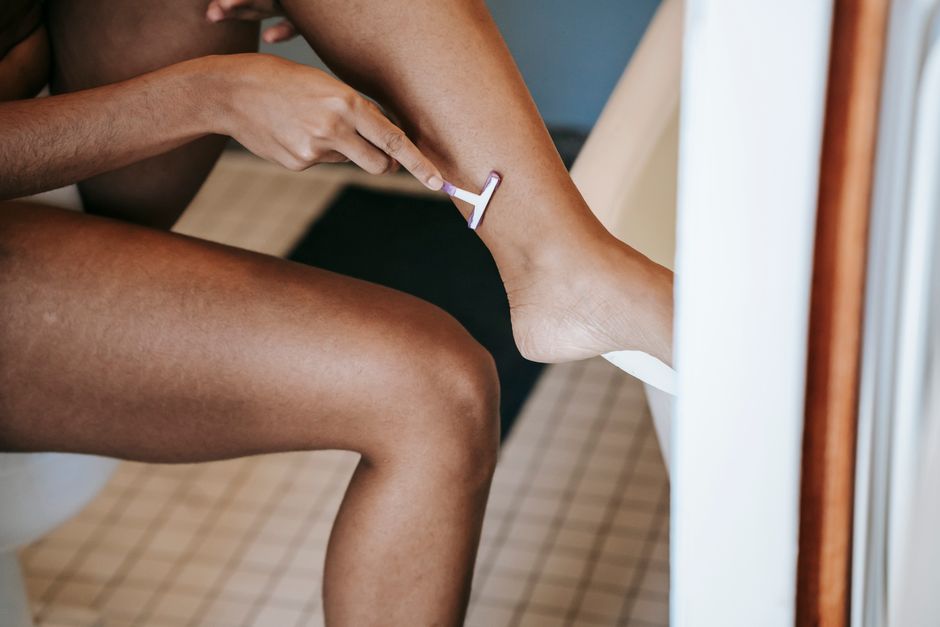
If you shave and end up with red, irritated bumps a day or two later, you are dealing with razor bumps. This condition, medically called pseudofolliculitis barbae, happens when hair curls back into the skin instead of growing straight out. The bump is not a pimple or an infection in most cases. It is an inflammatory reaction to the trapped hair. You can prevent most of these bumps by changing your shaving technique and preparing your skin properly before each shave.
What Actually Causes Razor Bumps After Shaving?
Razor bumps form when a sharp hair tip grows back into the skin. After shaving, the hair has a sharp point because the razor cut it at an angle. As the hair grows, that sharp tip can pierce the skin next to the follicle. This causes the body to react with redness, swelling, and sometimes pus.
The hair type matters a lot here. People with curly or coarse hair are more likely to get razor bumps. Curved hair naturally bends back toward the skin as it grows. When the hair is short from shaving, it has less stiffness to push straight out. So it curves right back into the follicle or nearby skin.
Tight clothing against shaved skin can also push hairs back into the skin. This is common on the bikini line or legs. The pressure from underwear or pants can redirect the growing hair. Friction from clothing irritates the skin further, making the bumps worse.
What Research Shows About Preventing Razor Bumps
Research published in the Journal of the American Academy of Dermatology has shown that proper shaving technique reduces razor bumps by more than 50 percent. The key findings focus on preparation and direction of the shave. Shaving in the direction of hair growth, not against it, is the single most effective change you can make.
Studies have also found that using a single-blade razor causes fewer bumps than multi-blade razors. Multi-blade razors lift the hair and cut it below the skin surface. That makes the hair retract deeper into the follicle. When it grows back, it is more likely to get stuck under the skin. Single-blade razors cut the hair at skin level, which keeps the tip outside.
The American Academy of Dermatology recommends wetting the skin with warm water for at least three minutes before shaving. This softens the hair and makes it easier to cut cleanly. Dry shaving or rushing the prep time significantly increases the chance of bumps.
What Is the Best Way to Shave to Avoid Bumps?
Start with clean skin and warm water. Wash the area with a gentle cleanser to remove oil and dead skin cells. Then apply a shaving cream or gel that is labeled for sensitive skin. Let it sit on the skin for two to three minutes before you start shaving.
Shave in the direction the hair grows. This feels less close than shaving against the grain, but it prevents the hair from being cut too short. Use short, light strokes. Rinse the blade after every two or three strokes to keep it clean. A clogged blade pulls at the hair instead of cutting it cleanly.
Do not stretch the skin tight while shaving. Stretching causes the hair to spring back below the skin after the cut. Let the skin rest naturally. After finishing, rinse with cool water to close the pores. Pat the skin dry with a clean towel. Do not rub.





What Products Actually Help Prevent Razor Bumps?
Products with salicylic acid or glycolic acid can help. These are chemical exfoliants that keep dead skin cells from blocking the hair follicle. When dead skin builds up, it traps the growing hair and forces it sideways. Using a gentle exfoliating product two to three times a week on non-shave days helps keep the follicle opening clear.
Products with aloe vera or witch hazel can calm the skin after shaving. Aloe vera reduces inflammation without clogging pores. Witch hazel is a mild astringent that tightens the skin slightly and helps prevent hairs from curling back in. Avoid alcohol-based aftershaves. They dry out the skin and make it more prone to irritation.
Moisturizing is important but often overlooked. Dry skin makes hair more brittle and more likely to break at a sharp angle. Use a fragrance-free moisturizer after shaving. Look for ingredients like glycerin or ceramides. These help the skin barrier stay intact and reduce inflammation.
Comparison of Shaving Methods for Preventing Bumps
| Method | How It Works | Bump Prevention Level |
|---|---|---|
| Single-blade razor | Cuts hair at skin level | High |
| Multi-blade razor | Cuts hair below skin | Low to moderate |
| Electric trimmer | Leaves hair slightly above skin | Very high |
| Depilatory cream | Dissolves hair chemically | Moderate |
| Laser hair removal | Reduces hair growth long-term | Highest |
Electric trimmers leave the hair slightly above the skin surface. This prevents the sharp tip from getting trapped. Many people with persistent razor bumps switch to an electric trimmer set to a short guard. The shave is not as close, but the bumps stop almost completely.
Laser hair removal is a long-term solution. It damages the hair follicle so the hair grows back thinner or not at all. Thinner hairs are less likely to curl into the skin. The CDC has noted that laser hair removal is the most effective treatment for chronic razor bumps. It requires multiple sessions and is expensive, but it works.
What to Avoid If You Get Razor Bumps Often
Avoid picking or popping the bumps. This can introduce bacteria and cause a real infection. What looks like a pimple is usually a hair trapped under a thin layer of skin. Picking at it damages the skin and can lead to scarring. If you must remove the hair, use a sterile needle to gently lift the loop of hair out. Do not dig for it.
Do not shave over the same area multiple times. One pass is enough. Going over the same spot again cuts the hair shorter and increases the chance of it retracting below the skin. If you missed a spot, leave it until the next shave.
Do not use dull blades. A dull blade pulls and tears the hair instead of cutting it. This creates jagged hair tips that are more likely to pierce the skin. Change your razor blade after five to seven shaves. Disposable razors should be thrown away after one or two uses.
Avoid shaving every day if you have sensitive skin or curly hair. Shaving every other day or every two days gives the hair time to grow out past the skin surface. This reduces the chance of the hair curling back in. Many people find that waiting an extra day between shaves eliminates most of their bumps.
Some people report that exfoliating right before shaving helps. Strong evidence is limited, but gentle exfoliation with a soft brush or mild scrub can lift trapped hairs before they cause a bump. Do not scrub hard. Irritated skin is more prone to bumps, not less.
Common Misconceptions About Razor Bumps
Many people think razor bumps are caused by dirty razors or bacteria. This is not accurate. Razor bumps are a mechanical problem, not an infectious one. The hair gets stuck under the skin, and the body reacts to it like a splinter. Keeping razors clean is still good practice, but it will not prevent bumps on its own.
Another common myth is that shaving against the grain gives a closer shave without consequences. It does give a closer shave. But it also increases the risk of bumps significantly. The trade-off is not worth it for most people. Shaving with the grain reduces bumps more than any product can.
Some believe that using more pressure while shaving gets a closer cut. This is wrong. Pressure pushes the skin down and causes the hair to retract. Light pressure with a sharp blade gives the best results with the least irritation. Let the razor do the work.
Frequently Asked Questions
Can razor bumps turn into scars?
Yes, repeated picking or severe inflammation can cause dark spots or raised scars. Treating bumps early and not picking at them reduces the risk.
Is it better to shave wet or dry to avoid bumps?
Wet shaving is much better. Warm water softens the hair and skin, which allows a cleaner cut and reduces the chance of hair retracting below the skin.
How long does it take for razor bumps to go away?
Mild bumps usually clear up in two to three days if you stop shaving the area. Severe bumps may take one to two weeks to fully heal.
Does shaving with the grain actually prevent bumps?
Yes, research shows shaving in the direction of hair growth is the most effective single change you can make. It keeps the hair cut at skin level instead of below it.
