
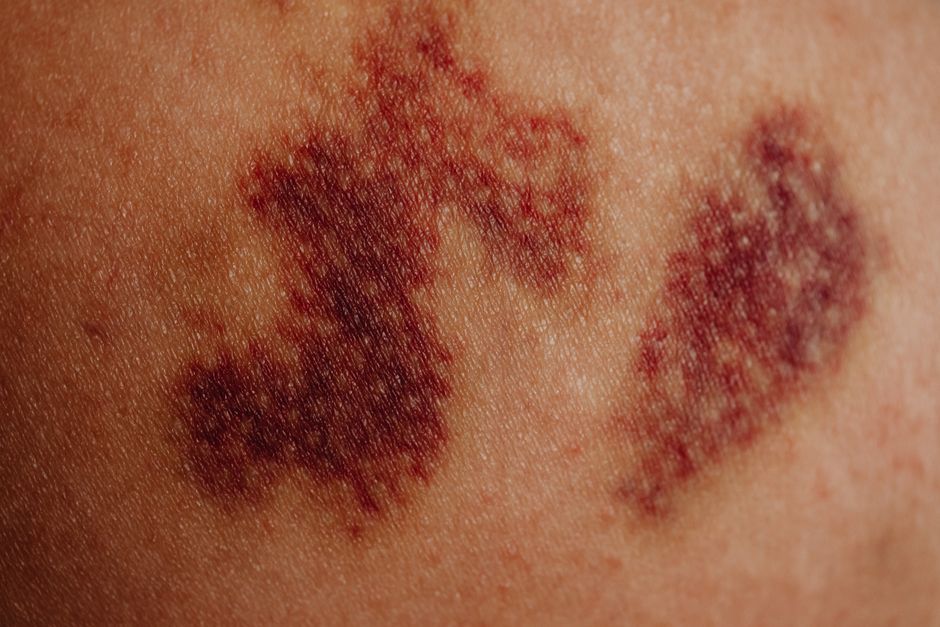
Dark circles and bruise-like discoloration under the eyes are one of the most common cosmetic concerns that dermatologists and primary care doctors hear about. The skin under your eyes is some of the thinnest on your entire body, roughly 0.5 millimeters thick. Because it is so thin, the blood vessels beneath it are more visible, which is why this area so easily shows shades of blue, purple, or brown. The cause is rarely a single factor. Genetics, sleep habits, allergies, and natural aging all play a role in how your under-eye area looks.
Why Does the Skin Under Your Eyes Look Bruised?
The bruised appearance is often a combination of two things: the visibility of blood vessels and the pigment in the skin. When you see a blue or purple tone, you are usually looking at blood pooling in tiny vessels under thin skin. When you see a brown or black tone, you are often looking at melanin, the pigment that gives skin its color. The distinction matters because the two causes have different triggers and different solutions.
Blood vessel visibility increases when the vessels dilate or when the skin becomes even thinner. Dilated vessels are common with allergies, lack of sleep, and alcohol consumption. Thinning skin is a natural part of aging but can also be influenced by sun damage. Melanin production can increase with genetics, chronic rubbing, and sun exposure. Many people have both factors at once, which is why the area can look both dark and bruised at the same time.
The anatomy is straightforward. The skin is thin, the vessels are close to the surface, and the area sits in a bony hollow. That hollow creates a shadow that makes any discoloration look darker than it would elsewhere on the face. This shadowing effect is often the real culprit behind what looks like a dark circle or bruise.
What Causes Bruises Under Eyes And Dark Circles?
The causes fall into a few clear categories. Genetics is the most common. If your parents had dark circles, you are likely to have them too. Some people inherit naturally thin skin under the eyes. Others inherit a deeper tear trough, which is the groove between the lower eyelid and the cheek. A deeper groove creates more shadow, which reads as darkness.
Allergies are a major and often overlooked cause. When you have allergic rhinitis, the body releases histamine. Histamine causes blood vessels to dilate and leak fluid. This leads to swelling and a pooling of blood in the under-eye area. People with allergies also tend to rub their eyes, which can break tiny blood vessels and cause actual bruising. This is sometimes called an “allergic shiner” and it looks exactly like a bruise.
Sleep deprivation is well documented as a cause. Lack of sleep causes blood vessels to dilate, which increases the blue and purple tones under the eyes. It also causes fluid to pool in the lower eyelids, which can make the area look puffy and cast a shadow. Even one night of poor sleep can make the under-eye area look darker, though chronic sleep loss has a more persistent effect.
Sun damage is another contributor. Ultraviolet light breaks down collagen in the skin. Collagen is the protein that keeps skin thick and firm. When collagen breaks down, the skin gets thinner and the vessels underneath become more visible. Sun exposure also stimulates melanin production, which can darken the skin itself. This effect is cumulative and often shows up more clearly in the under-eye area because the skin there is already thin.
Is It an Actual Bruise or Something Else?
A true bruise, medically called a contusion, happens when trauma breaks blood vessels and blood leaks into the tissue. If you have a dark blue or purple mark that appeared after an injury, that is a real bruise. It should fade over a week or two as the body reabsorbs the blood. If it does not fade, or if it appears without any injury, it is likely not a bruise at all.
Persistent dark circles are not a medical condition. They are a cosmetic feature. However, there are times when under-eye discoloration warrants a medical visit. If the discoloration is on only one side, if it is painful, if it is getting worse, or if it appeared suddenly, a doctor should evaluate it. In rare cases, persistent discoloration can be a sign of an underlying condition such as iron deficiency anemia or a thyroid issue. These conditions are uncommon causes of dark circles, but they are real and worth ruling out if the appearance changes suddenly.
Another condition to know about is periorbital hyperpigmentation. This is the medical term for dark circles that come from excess melanin. It is more common in people with darker skin tones and is largely genetic. It is not harmful, but it is also not something that will respond to treatments aimed at blood vessels. Knowing which type you have matters because it determines what will actually work.





Do Home Remedies Actually Work?
Some home remedies have real evidence behind them. Cold compresses constrict blood vessels and can temporarily reduce the appearance of dark circles caused by dilation. This works for a short time, usually less than an hour. Cucumber slices and chilled tea bags work the same way, through cold and mild pressure. They do not change the underlying cause.
Getting more sleep is effective for circles caused by sleep deprivation. The effect is usually visible within a few days of consistently getting seven to nine hours. Elevating your head with an extra pillow can reduce morning puffiness by helping fluid drain away from the face overnight. This addresses the shadowing that comes from swelling, not the pigment itself.
Sun protection is the most evidence-backed home measure for preventing dark circles from getting worse. Daily sunscreen on the face, including the under-eye area, prevents collagen breakdown and limits melanin production. This is a prevention strategy, not a treatment. It will not reverse existing dark circles, but it will stop them from worsening over time.
One popular remedy that lacks evidence is the use of hemorrhoid cream under the eyes. The idea is that the cream constricts blood vessels and reduces swelling. The active ingredient, phenylephrine, does constrict vessels. However, the skin under the eyes is delicate, and this cream is not formulated for facial use. It can cause irritation, dryness, and rebound redness. Dermatologists generally advise against it.
What Treatments Have Real Evidence?
Topical treatments with vitamin C have some evidence for reducing dark circles. Vitamin C is an antioxidant that can help with pigmentation and supports collagen production. Studies have shown modest improvement with consistent use over several months. Retinoids, which are vitamin A derivatives, can thicken the skin over time by stimulating collagen production. This makes the vessels less visible. Both require patience and consistent application for weeks to months before results appear.
Chemical peels and laser treatments are options for pigmentation-based dark circles. These are performed by dermatologists and work by removing the outer layer of skin or targeting melanin directly. Results are variable and depend on skin type. These treatments carry risks of hyperpigmentation, especially in darker skin tones, so they require an experienced provider.
Filler injections are the primary treatment for shadowing caused by a deep tear trough. A hyaluronic acid filler is injected into the hollow to smooth the transition between the eyelid and cheek. This reduces the shadow that makes the area look dark. The effect is immediate and lasts anywhere from six months to a year. This is a medical procedure with risks, including bruising, swelling, and the rare possibility of vascular occlusion, which can cause tissue damage.
Surgery, called blepharoplasty, is the most invasive option. It removes excess skin and fat from the lower eyelids. It is reserved for people with significant puffiness or loose skin that contributes to shadowing. Recovery takes one to two weeks, and the results are permanent. It is a real surgical procedure with standard surgical risks.
When Should You See a Doctor?
Dark circles alone are not a reason to see a doctor. They are a normal variation in human appearance. However, you should seek medical advice if the discoloration is new, one-sided, painful, or accompanied by swelling of the face or eyes. These features can indicate an infection, an allergy that needs treatment, or another medical issue that warrants evaluation.
If you have seasonal allergies and notice dark circles, treating the allergy is the most effective step. Antihistamines and nasal steroid sprays reduce the histamine response, which reduces vessel dilation and the pooling of blood. This is a safe and well-established approach for allergy-related dark circles. If you are unsure whether allergies are the cause, an allergist or primary care doctor can help.
Frequently Asked Questions
Can dark circles under the eyes be a sign of anemia?
Iron deficiency anemia can cause pale skin and a washed-out appearance that makes under-eye vessels more visible. It is not a common cause of dark circles, but it is worth checking if you also feel fatigued, short of breath, or dizzy.
Are dark circles under the eyes permanent?
Dark circles caused by genetics and natural aging are permanent without medical treatment. Dark circles caused by sleep deprivation, allergies, or dehydration are temporary and improve when the underlying cause is addressed.
Does lack of sleep really cause dark circles?
Yes. Sleep deprivation dilates blood vessels and causes fluid to pool under the eyes, which makes the area look darker and puffier. The effect is usually reversible with consistent, adequate sleep.
Can eye creams permanently get rid of dark circles?
No eye cream can permanently eliminate dark circles. Some creams with vitamin C or retinoids can modestly improve the appearance over months of use, but the effect stops when you stop using the product.
