
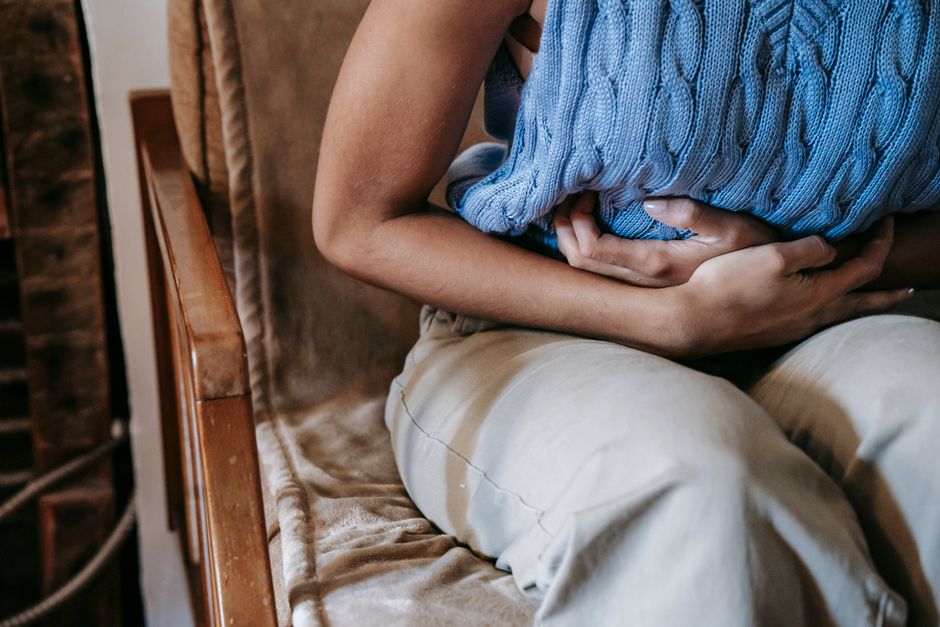
Bloating is that tight, swollen feeling in your belly that makes your pants feel suddenly too small. For many women, it is a monthly visitor. For others, it shows up after meals or seemingly out of nowhere. The most common causes of bloating in women include digestive gas, hormone shifts during the menstrual cycle, food intolerances, and slow gut motility. But the real answer is more specific than “you ate something bad.” Understanding the actual mechanisms helps you separate normal bloating from something that needs attention.
What Causes Bloating in Women?
The short answer is gas and fluid. But why that happens varies a lot. Women experience bloating differently than men partly because of anatomy and partly because of hormones.
Your digestive tract is about 30 feet long. When food breaks down, bacteria in your large intestine produce gas. That gas has to go somewhere. If your gut moves slowly, gas builds up and stretches the intestinal walls. That stretching is what you feel as bloating.
Women also have a uterus sitting right on top of the colon. During certain times of the month, that uterus swells and pushes against the intestine. This makes the same amount of gas feel much more uncomfortable. Current research suggests that about 75 percent of women report bloating right before or during their period. That is not random. It is a direct effect of progesterone and estrogen on gut muscle.
Are Hormones the Main Cause of Bloating in Women?
Hormones play a big role but they are not the whole story. Estrogen and progesterone affect how fast food moves through your intestines. When progesterone rises in the second half of your cycle, gut motility slows down. Food sits longer. Bacteria have more time to ferment it. More gas gets produced.
Progesterone also causes your body to hold onto sodium and water. That adds fluid retention on top of gas. So you get a double effect: more gas from slower digestion and more fluid in your tissues.
Some women also experience bloating during ovulation when estrogen spikes. This is less common than premenstrual bloating but real for some. The key difference is timing. If your bloating follows a predictable monthly pattern, hormones are almost certainly involved.
Can Food Intolerances Cause Bloating in Women?
Yes, and this is often overlooked. Many women assume bloating after eating is normal. It is not. If you eat a meal and feel distended within an hour or two, your body is telling you something.
The most common triggers are lactose, fructose, and a group of carbohydrates called FODMAPs. Lactose intolerance is straightforward. If you lack the enzyme lactase, milk sugar stays in your gut and ferments. That produces hydrogen gas, which causes bloating and sometimes cramping.
FODMAPs are trickier. These are short-chain carbohydrates found in foods like wheat, onions, garlic, beans, and certain fruits. They are not fully absorbed in the small intestine. When they reach the large intestine, bacteria eat them and produce gas. For some women, this is a major source of daily bloating.
Gluten sensitivity is real for some people, but it is less common than social media suggests. Many women who think they are sensitive to gluten are actually reacting to the FODMAPs in wheat. The difference matters because the dietary approach is different.
Here is a quick comparison of common food triggers:
| Trigger | How It Causes Bloating | Common Foods |
|---|---|---|
| Lactose | Undigested sugar ferments in gut | Milk, soft cheese, ice cream |
| Fructose | Poor absorption in small intestine | Apples, honey, high-fructose corn syrup |
| FODMAPs | Fermented by gut bacteria | Wheat, onions, garlic, beans |
| Fiber (sudden increase) | Bacteria produce more gas during fermentation | Beans, broccoli, whole grains |





What Role Does Gut Bacteria Play in Bloating?
Your gut contains trillions of bacteria. They are essential for health, but they also produce gas as a byproduct of digestion. The amount of gas depends on what you eat and which bacteria live in your gut.
Some women have an overgrowth of bacteria in the small intestine. This is called SIBO, or small intestinal bacterial overgrowth. Normally, the small intestine has relatively few bacteria. When bacteria grow there in large numbers, they start fermenting food before it reaches the large intestine. This produces gas right in the upper gut, causing bloating within minutes of eating.
SIBO is more common in women than men. One reason is that hormones affect gut motility, and slower motility allows bacteria to accumulate in the small intestine. If you feel bloated soon after eating, especially after meals that are high in carbohydrates, SIBO could be worth discussing with a doctor.
As of 2026, the breath test remains the most common way to diagnose SIBO. It is not perfect. False negatives happen. But it is the best tool available outside of a small intestine aspirate, which is rarely done.
Can Constipation Cause Bloating in Women?
Constipation is one of the most underrated causes of bloating. Women experience constipation at roughly twice the rate of men. When stool sits in the colon longer than normal, bacteria continue to ferment it. More gas builds up. The stool itself also takes up space, adding to the feeling of fullness.
Many women do not realize they are constipated. They think if they have a bowel movement every day, they are regular. But frequency is only part of the picture. Incomplete evacuation, hard stools, and straining are all signs of constipation even if you go daily.
Slow gut transit is especially common in women with low fiber intake, low water intake, or those taking certain medications. Iron supplements, calcium supplements, and some pain medications can slow things down significantly.
Here are some signs that constipation might be driving your bloating:
- You feel bloated even before you eat
- Bloating gets worse as the day goes on
- You have fewer than three bowel movements per week
- Stools are hard or difficult to pass
- You feel like you never fully empty your bowels
When Should You Be Concerned About Bloating?
Most bloating is harmless and temporary. But there are situations where it deserves more attention. If bloating is persistent, progressive, or accompanied by other symptoms, it could signal something beyond diet or hormones.
Ovarian cancer is the most serious concern. Persistent bloating is one of the early symptoms. But here is the thing most articles do not tell you: ovarian cancer bloating is usually accompanied by other symptoms like pelvic pain, feeling full quickly, and urinary urgency. Bloating alone, without any other symptoms, is rarely cancer.
Other conditions that can cause chronic bloating include endometriosis, pelvic inflammatory disease, and irritable bowel syndrome. Endometriosis can cause bloating because endometrial-like tissue grows on the intestines and causes inflammation. This is sometimes called “endo belly” and it can be severe.
If your bloating comes with unexplained weight loss, blood in your stool, or persistent pain, see a doctor. If it follows a predictable pattern related to your cycle or specific foods, it is almost certainly benign and manageable.
Frequently Asked Questions About Causes of Bloating in Women
Why do I bloat every day even when I eat healthy?
Healthy foods like beans, broccoli, and whole grains are high in fiber and FODMAPs that produce gas during digestion. Eating healthy does not automatically mean less bloating.
Can stress cause bloating in women?
Yes, stress activates the fight-or-flight response which slows digestion and reduces blood flow to the gut. This can cause gas to build up and lead to bloating.
Is bloating a sign of pregnancy?
Bloating is common in early pregnancy due to rising progesterone levels that slow digestion. But bloating alone is not a reliable sign of pregnancy.
How long does normal bloating last?
Normal bloating from food or hormones usually resolves within a few hours to a day. Bloating lasting more than two weeks without a clear cause should be discussed with a doctor.
