
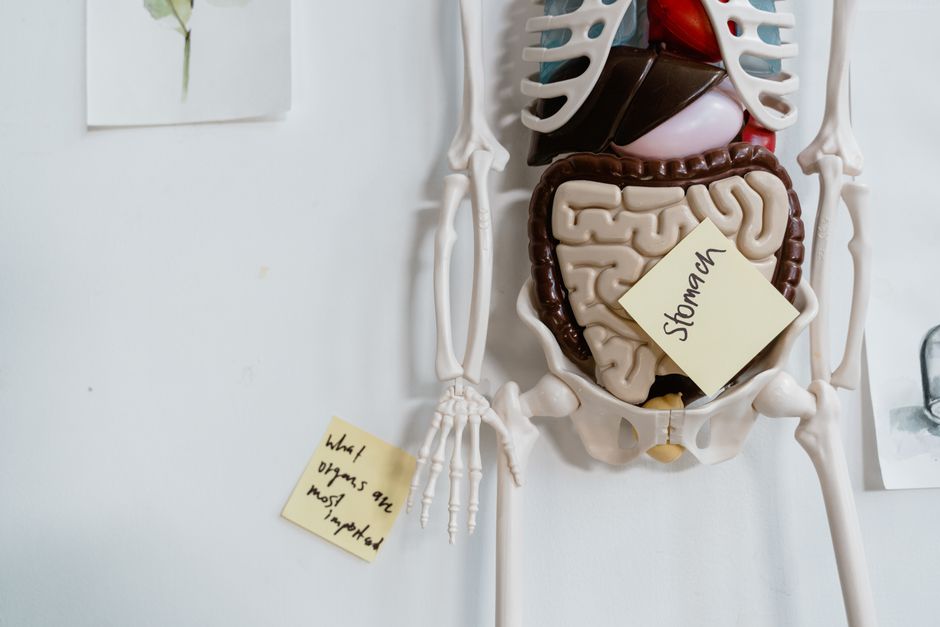
Pepto-Bismol can help with gas and bloating, but it is not the most effective option for everyone. The active ingredient, bismuth subsalicylate, works by reducing inflammation in the stomach lining and slowing the production of certain fluids that cause diarrhea. While it does have a mild effect on gas, it is primarily designed for nausea, upset stomach, and diarrhea. For bloating that comes from trapped gas in the intestines, other treatments like simethicone may work faster and more directly.
How Does Pepto-Bismol Work for Gas and Bloating?
Pepto-Bismol contains bismuth subsalicylate, a compound that has been used for over a century to treat digestive complaints. It works in two main ways. First, it coats the stomach lining and reduces inflammation. Second, it decreases the flow of fluids into the intestines, which helps firm up stool and reduce diarrhea.
When it comes to gas, the effect is indirect. Bismuth subsalicylate can reduce the production of hydrogen sulfide gas in the gut. That is the gas responsible for the classic “rotten egg” smell. However, it does not break up gas bubbles that are already trapped in your intestines. If your bloating comes from swallowed air or gas produced during digestion, Pepto-Bismol may not provide the quick relief you are looking for.
What Causes Gas and Bloating in the First Place?
Gas and bloating happen when air builds up in your digestive tract. This can come from swallowing air while eating or drinking, or from bacteria in the colon breaking down undigested food. Certain foods are more likely to cause gas. Beans, lentils, broccoli, cabbage, onions, and carbonated drinks are common culprits.
Some people also produce more gas because of how their digestive system works. Conditions like irritable bowel syndrome (IBS), lactose intolerance, and celiac disease can all cause excessive gas and bloating. If you notice that gas and bloating happen regularly after eating specific foods, it may be worth keeping a food diary to identify patterns.
Does Pepto-Bismol Help with Gas and Bloating Compared to Other Options?
This is where the evidence gets specific. If your bloating is caused by trapped gas bubbles in the intestines, simethicone is the active ingredient that directly breaks up those bubbles. Products like Gas-X and Phazyme contain simethicone. They work by reducing the surface tension of gas bubbles, allowing them to combine into larger bubbles that are easier to pass.
Pepto-Bismol does not do this. It does not break up trapped gas. It may reduce the amount of gas your gut produces over time, especially if your gas is related to inflammation or mild digestive upset. But for immediate relief from a bloated feeling caused by trapped gas, simethicone is generally more effective.
There is also a combination product called Pepto-Bismol Ultra that contains the same active ingredient at a higher dose. But even at higher doses, it does not work on trapped gas the way simethicone does.





When Should You Take Pepto-Bismol for Gas and Bloating?
Pepto-Bismol makes the most sense when your gas and bloating come with other digestive symptoms. If you have an upset stomach, mild nausea, or diarrhea along with bloating, Pepto-Bismol can address several symptoms at once. It is a reasonable choice for traveler’s diarrhea or for an upset stomach after eating something that did not agree with you.
However, if bloating is your primary symptom and you do not have nausea or diarrhea, a simethicone product is likely a better first choice. It targets the gas directly and typically works within minutes. Pepto-Bismol takes longer to have an effect and may not relieve bloating at all if the cause is trapped gas.
What Are the Side Effects and Risks of Pepto-Bismol?
Pepto-Bismol is generally safe for short-term use in healthy adults. But it does have some side effects that you should know about. The most common one is a darkening of the tongue and stool. This happens because bismuth reacts with sulfur in saliva and the digestive tract. It looks alarming but is harmless and goes away after you stop taking it.
More important is the salicylate component. Bismuth subsalicylate is related to aspirin. If you are allergic to aspirin, you should not take Pepto-Bismol. You should also avoid it if you are taking blood thinners, have kidney disease, or have gout. Salicylates can interact with these conditions in ways that are potentially harmful.
There is also a rare but serious risk called Reye’s syndrome. This condition has been linked to salicylate use in children and teenagers recovering from viral infections. For this reason, Pepto-Bismol is not recommended for children or teenagers with chickenpox or the flu.
Can You Take Pepto-Bismol While Pregnant or Breastfeeding?
No clinical guidelines recommend Pepto-Bismol during pregnancy. The salicylate component is the reason. Salicylates can cross the placenta, and high doses have been associated with pregnancy complications. The general medical advice is to avoid bismuth subsalicylate products during pregnancy, especially in the third trimester.
For breastfeeding mothers, the evidence is limited. Small amounts of salicylate can pass into breast milk, but the risk is not well studied. If you are pregnant or breastfeeding and struggling with gas and bloating, talk to your doctor about safer alternatives. Simethicone is generally considered safe during pregnancy because it is not absorbed into the bloodstream, but you should still confirm this with your healthcare provider.
How Much Pepto-Bismol Can You Take?
The standard adult dose of Pepto-Bismol is 30 mL or two tablets every 30 minutes as needed. You should not take more than eight doses in 24 hours. That works out to a maximum of about 240 mL of liquid or 16 tablets per day.
Do not take Pepto-Bismol for more than two days without talking to a doctor. If your symptoms last longer than that, it could be a sign of something more serious. Persistent gas and bloating can sometimes be a symptom of conditions like small intestinal bacterial overgrowth (SIBO), gallbladder disease, or even ovarian cancer in women. If your symptoms are severe, getting worse, or lasting more than a few days, see a healthcare provider.
Lifestyle Changes That Help with Gas and Bloating
Medication is not the only answer. Several lifestyle changes can reduce gas and bloating over time. Eating slowly and chewing food thoroughly reduces the amount of air you swallow. Avoiding carbonated drinks and chewing gum can also help. Regular physical activity stimulates digestion and can help move gas through the intestines.
Some research suggests that certain probiotics may help with bloating, particularly in people with IBS. However, the evidence is mixed, and different probiotic strains work differently. If you want to try a probiotic, look for one that has been studied specifically for bloating and gas. Lactobacillus and Bifidobacterium strains are the most commonly studied, but results vary from person to person.
Peppermint oil capsules have also shown some benefit for bloating and abdominal pain in people with IBS. They work by relaxing the smooth muscle of the intestinal wall. If you try peppermint oil, choose enteric-coated capsules. They are designed to dissolve in the intestines rather than the stomach, which reduces the risk of heartburn.
When to See a Doctor for Gas and Bloating
Occasional gas and bloating are normal. Everyone experiences them. But there are warning signs that should prompt a medical evaluation. If you have bloating that is accompanied by unintentional weight loss, blood in your stool, severe abdominal pain, or persistent vomiting, seek medical attention promptly.
Bloating that is constant, progressive, or associated with changes in bowel habits that last more than a few weeks also deserves a medical workup. These symptoms can indicate conditions that need treatment beyond over-the-counter remedies. Your doctor can help determine the underlying cause and recommend the most appropriate treatment.
Frequently Asked Questions
How fast does Pepto-Bismol work for gas?
Pepto-Bismol typically takes 30 to 60 minutes to start working. It works more slowly than simethicone products, which can relieve trapped gas within minutes.
Can I take Pepto-Bismol with Gas-X together?
Yes, taking Pepto-Bismol and Gas-X together is generally safe for most adults. They work through different mechanisms, but you should check with a pharmacist or doctor first if you take other medications.
Does Pepto-Bismol cause black stool?
Yes, Pepto-Bismol commonly causes darkening of the tongue and black stool. This is harmless and goes away within a few days after you stop taking it.
Is Pepto-Bismol safe for children with gas?
Pepto-Bismol is not recommended for children or teenagers recovering from viral infections due to the risk of Reye’s syndrome. Talk to a pediatrician about safer gas relief options for children.
